2026 How to Choose a Jacketed Stainless Steel Tank?
Choosing the right jacketed stainless steel tank is crucial for various industries. These tanks are commonly used for heating, cooling, or maintaining specific temperatures during processing. The material—stainless steel—offers durability and corrosion resistance, essential for long-term use. However, selecting the right tank involves more than just material quality.
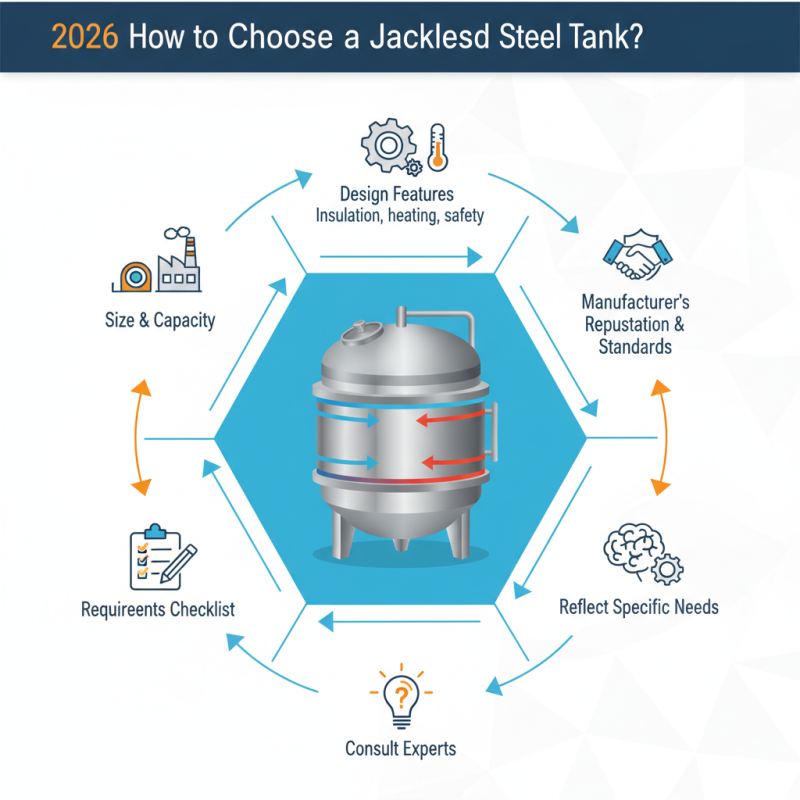
Consider the tank’s size and capacity based on your production needs. Too large, and you may waste energy; too small, and you limit production. Pay attention to the tank’s design features—insulation type, heating elements, and safety mechanisms. Each feature can impact efficiency and operational safety.
It’s important to assess the manufacturer’s reputation. Not all jacketed stainless steel tanks are created equal. Ensure that the supplier meets industry standards and offers reliable support. Make a checklist of your requirements and consult experts if needed. Reflect on your specific needs. This will guide you in making an informed decision that fits your operational demands.
Understanding Jacketed Stainless Steel Tanks and Their Applications
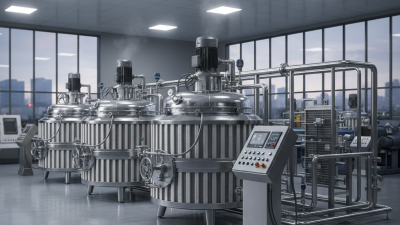
Jacketed stainless steel tanks play a crucial role in various industries. They are designed with two layers: an inner tank for holding the primary material and an outer jacket for temperature control. This unique structure allows for the heating or cooling of contents efficiently. Food production, pharmaceuticals, and chemical processing often require precise temperature management.
When choosing a jacketed tank, it’s important to consider the specific needs of your application. Think about the temperature range required for your processes. The material’s compatibility with the stored substance is also vital. While stainless steel is generally resistant to corrosion, some aggressive chemicals may require additional considerations.
Although jacketed tanks offer many benefits, they can also present challenges. Proper maintenance is essential to ensure optimal performance. Regular inspections can help identify wear or degradation. Additionally, consider the initial investment cost versus long-term benefits. Finding the right tank requires balancing various factors. Reflect on your operational needs and take the time to research thoroughly.
Key Factors to Consider When Selecting a Jacketed Stainless Steel Tank
When selecting a jacketed stainless steel tank, various key factors demand attention. The construction material is critical. Stainless steel provides durability and corrosion resistance. However, not all grades are equal. Higher-grade stainless steel offers better resistance to harsh environments. A thorough understanding of these grades can guide an informed decision.
Temperature control is another critical aspect. Jacketed tanks employ heating or cooling jackets. Evaluating the tank's jacket design is essential. A well-designed jacket ensures uniform temperature distribution. Inconsistent temperatures can spoil products and lead to safety issues. It's imperative to reflect on the specific heating or cooling requirements of your process.
Capacity is a practical consideration as well. Tank size should meet production needs without excess. An oversized tank can waste resources and complicate handling. Likewise, if it's too small, it can limit production. Balancing these factors requires careful reflection on operational needs. Consider future growth, too. A tank that suits today’s needs may soon become inadequate.
2026 How to Choose a Jacketed Stainless Steel Tank? - Key Factors to Consider When Selecting a Jacketed Stainless Steel Tank
| Key Factor |
Description |
Importance Level |
| Material Quality |
Ensure the stainless steel is of food-grade quality to prevent contamination. |
High |
| Tank Size |
Choose a size that matches your production capacity and space limitations. |
Medium |
| Jacket Type |
Select between single or double-jacket based on heating or cooling requirements. |
High |
| Inspection Ports |
Ensure easy access for monitoring and maintenance. |
Medium |
| Price |
Evaluate the cost against features offered; don't compromise quality for price. |
High |
| Manufacturer's Warranty |
Check the warranty for long-term reliability and support. |
Medium |
| Customization Options |
Look for options to customize features to meet specific needs. |
Low |
Comparing Different Types of Jacketed Stainless Steel Tanks
When it comes to jacketed stainless steel tanks, understanding the types available is crucial. Different designs cater to varying needs. For instance, a dual jacket tank provides excellent temperature control. This is especially useful for sensitive processes. It features an outer layer that circulates heating or cooling fluids.
Single jacket tanks, however, offer a simpler design. They are often lighter and cost-effective. Yet, they may not provide the same level of thermal stability. Choosing between them requires considering the specific use case. Factors like volume, temperature range, and even the type of product stored matter significantly.
Another option is the insulated jacket tank, designed for energy efficiency. These tanks maintain temperatures longer due to their insulation. However, they can be bulkier. Maintenance is another aspect to ponder. The complexity of a dual jacket system can lead to issues over time. Regular checks are essential to ensure optimal performance and prevent costly repairs. Each style has its merits, and the best choice hinges on your unique needs.
Comparison of Different Types of Jacketed Stainless Steel Tanks
This chart compares the capacity, price, and insulation efficiency of various types of jacketed stainless steel tanks commonly used in industrial applications.
Maintenance and Care for Jacketed Stainless Steel Tanks
Jacketed stainless steel tanks are essential in various industries. Proper maintenance and care ensure their longevity and efficiency. Regular inspections are vital. Look for rust, leaks, and dents. These signs may indicate deeper issues. Addressing them early can save money and time.
Tips for maintenance: Clean your tank regularly. Use gentle cleansers that won't damage the surface. Avoid harsh chemicals. Inspect gaskets and seals often. Worn parts can lead to leaks and contamination.
Don’t overlook temperature control in jacketed tanks. The jacket system regulates temperatures for optimal performance. Check for blockages or leaks in the jacket. Any irregularities can affect the heating or cooling process. Reflect on your maintenance routine. Adjust it based on the tank's usage and operational environment.
Cost Considerations and Budgeting for Your Jacketed Tank Purchase
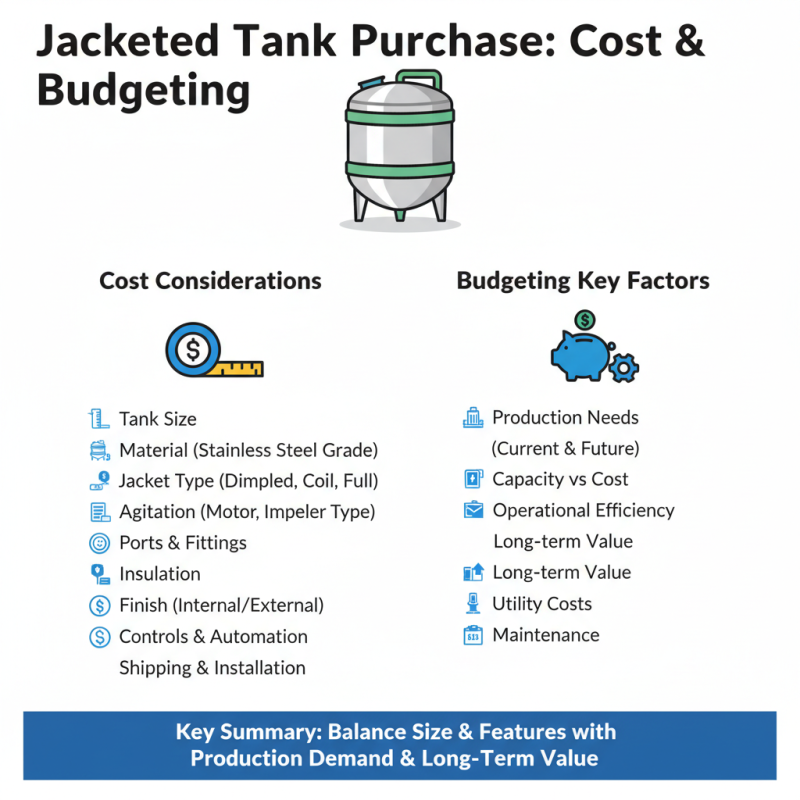
When budgeting for a jacketed stainless steel tank, several key factors come into play. The size of the tank directly affects its price. Larger tanks typically cost more, but they also offer greater capacity. Consider your production needs carefully. A tank that's too small may limit your operations, while an unnecessarily large one increases expenses.
Materials and design also impact the budget. High-quality stainless steel ensures durability but comes at a premium. Verify the tank's specifications. Confirm that it meets industry standards for safety and efficiency. Each detail matters. Be cautious of options that seem like good deals but compromise quality.
Tips: Allocate funds for installation and maintenance. These costs can add up over time. Don't overlook potential long-term savings with more efficient models. Always plan for unexpected expenses. A tank may require additional accessories, like pumps or heating elements, that affect your budget. Reflect on your choices to avoid future regrets.