Skip to content
Menu

Why Choose a Wheeled Skid Steer Loader?

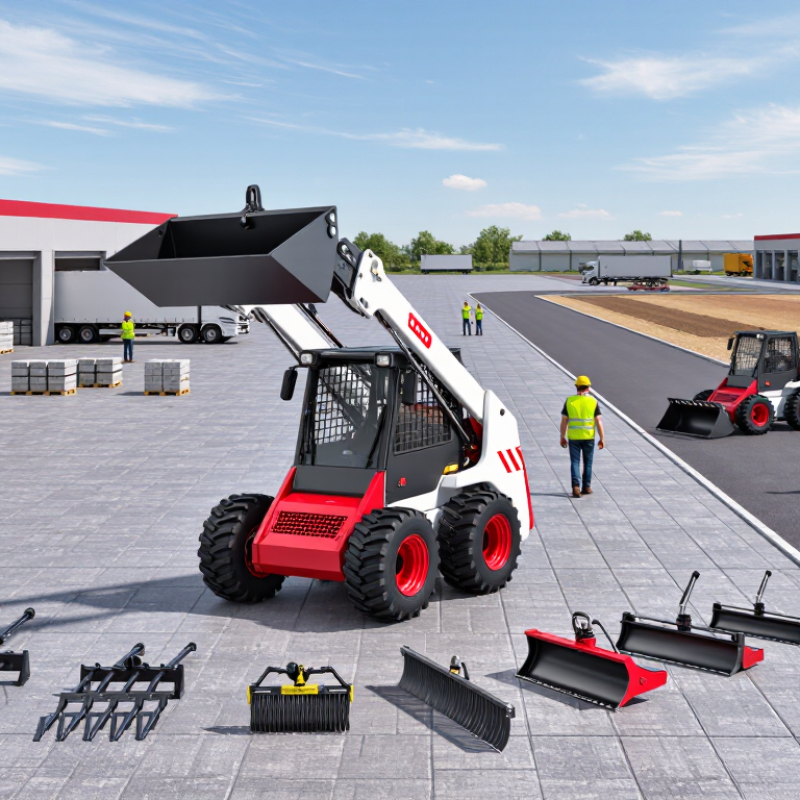
Choosing the right machine can shape daily productivity, operating costs, and jobsite safety. A Wheeled Skid Steer Loader offers fast travel across firm, prepared surfaces. Its rubber tires usually reduce ground disturbance around paved yards, warehouses, and construction sites. That matters. Operators can move materials between work areas without loading onto a trailer repeatedly. The machine also supports attachments such as buckets, forks, sweepers, and augers. These tools can extend its value beyond basic loading work. However, performance depends on tire selection, hydraulic capacity, rated operating capacity, and the operator’s experience.

This guide examines why contractors may choose a Wheeled Skid Steer Loader over a tracked model. It considers traction, transport speed, fuel use, maintenance, visibility, and surface conditions. Real jobsite decisions are rarely perfect. A wheeled machine may excel on concrete but struggle in deep mud or loose sand. Not always. Tire wear can also become expensive when sharp debris covers the work area. Careful buyers should compare manufacturer specifications with actual workloads, attachment requirements, and local service support. Look closely. Experienced operators know that comfort and control affect output just as much as engine power. A practical evaluation should include turning space, daily travel distance, ground pressure, and seasonal weather. This approach supports safer decisions and more predictable ownership costs. The best choice is not universal. It depends on where the machine works, what it carries, and how consistently it is maintained.
Why Choose a Wheeled Skid Steer Loader?

What Is a Wheeled Skid Steer Loader?

A wheeled skid steer loader is a compact machine with four wheels, a rigid frame, and independent drive on each side. The left and right wheels move at different speeds or in opposite directions. This lets the machine turn by skidding its tires across the ground. It can rotate within a tight space. That is the key feature.

A front lift arm connects the loader to attachments such as buckets, forks, sweepers, and hydraulic breakers. The engine powers hydraulic systems that raise the arm and operate these tools. Its small size helps it work beside buildings, in parking areas, and on prepared construction surfaces. Wheeled models usually travel faster and steer more smoothly on firm ground than tracked versions. They can also cause less surface disturbance when operated carefully.

However, “wheeled” does not mean suitable for every site. Soft soil, deep mud, and loose slopes can reduce traction quickly. Tire wear may also become noticeable on rough concrete or abrasive ground. Operators should check tire pressure, hydraulic leaks, attachment locks, and visibility before starting work. A level load matters, because a raised bucket can make the machine feel unstable. In practical use, choosing the wrong tire pattern can create more problems than expected. The machine is versatile, but not magic.

How Does a Wheeled Skid Steer Loader Operate?

A wheeled skid steer loader operates through a compact hydraulic and drive system. The engine powers hydraulic pumps, which send pressurized fluid to the lift arms, bucket, and auxiliary attachment. Separate wheel motors control movement on each side. Push both drive controls forward, and the machine travels ahead. Move them in opposite directions, and it pivots sharply within its own footprint.

The operator manages speed, steering, lifting, and attachment flow from the cab. During a loading cycle, the bucket approaches the material, lowers near ground level, and curls backward to secure the load. The lift arms then raise it steadily for dumping. Wheeled models respond quickly on firm surfaces, especially paved yards and compact soil. However, loose slopes can reduce traction. That limitation is easy to underestimate. Real work often exposes it.

Tips: Inspect tires, hydraulic lines, and attachment locks before operation. Keep the load low while traveling. Match auxiliary hydraulic flow to the attachment’s requirements. Use smooth control movements near people, walls, and trenches. A brief pause can prevent an expensive mistake. Check the surface after rain, because familiar ground may behave differently. Keep the seat belt fastened and maintain clear visibility around the machine.

Why Choose a Wheeled Skid Steer Loader?

Wheeled skid steer loaders are designed for fast travel on firm, improved surfaces. Their steering system works by driving the left and right wheels at different speeds or in opposite directions, allowing the machine to skid-steer and turn within its own footprint.

The chart shows representative operating ranges for a medium-class wheeled skid steer loader. Actual results vary with attachment, payload, tire selection, surface conditions, and operating technique. Wheeled machines generally provide higher travel speed and lower rolling resistance on paved or compacted ground, while maintaining the compact turning capability of skid-steer equipment.

What Are Its Main Advantages?

A wheeled skid steer loader is often chosen for speed, lower operating costs, and easy movement across firm ground. Its rubber tires roll smoothly between a worksite, storage yard, and paved access road. Operators can reposition quickly without loading the machine onto a trailer. That matters when several short tasks compete for the same morning. The compact turning radius also helps around fences, pallets, and building corners. Visibility remains useful, though attachments can still block the front view.

Its main advantage is versatility. A loader can sweep debris, move aggregate, drill holes, grade soil, or handle pallets after changing attachments. Quick couplers reduce downtime when maintained correctly. On dry gravel or concrete, wheels usually cause less surface disturbance than steel tracks. They may also provide lower fuel and tire costs during routine shifts. Experienced operators check tire pressure, tread damage, hydraulic leaks, and attachment pins before work. Small faults become expensive delays.

Wheeled models are not ideal everywhere. Mud, loose sand, steep slopes, and soft landscaping can reduce traction quickly. I have seen productivity fall when speed mattered more than ground conditions. That choice looked efficient on paper. It was not. Buyers should compare rated operating capacity, lift height, visibility, cab comfort, and service access with actual tasks. Manufacturer data helps, but site trials reveal turning behavior and ride quality better than brochures. A careful inspection after each shift supports dependable performance over time.

Which Jobs Suit Wheeled Skid Steer Loaders?

Why Choose a Wheeled Skid Steer Loader?

Which Jobs Suit Wheeled Skid Steer Loaders?

Wheeled skid steer loaders perform best on firm, reasonably level surfaces. They suit road maintenance, warehouse work, farm yards, landscaping, and general material handling. Their tires move smoothly across concrete, asphalt, and compacted gravel. They also reduce surface damage when compared with tracks on finished ground. With a bucket, pallet forks, sweeper, or auger, one machine can handle changing daily tasks.

These loaders are useful for moving soil, mulch, feed, snow, pallets, and light construction materials. Landscapers often appreciate their tighter turning radius around buildings and planting beds. Contractors can use them for driveway preparation or debris removal, provided the surface offers enough traction. They are less suitable for deep mud, loose sand, sharp rock, or steep uneven terrain. I once assumed faster travel always improved productivity. It did not. Poor traction created delays and increased tire wear.

Tips: Inspect tires, wheel hubs, hydraulic lines, and attachment locks before each shift. Check the load chart, especially when lifting high or working on a slope. Keep loads low while traveling. Choose solid tires for puncture-prone areas, but expect a firmer ride. Operator visibility also matters; a small blind spot can become a serious problem near people, walls, or parked vehicles. Reserve time for training and site checks. Planning is not wasted time.

How Should You Choose the Right Model?

Choosing a wheeled skid steer loader starts with the jobsite, not the brochure. Measure travel distance, surface hardness, attachment weight, and daily hours. A wheeled model suits paved yards, warehouses, and compacted soil. It usually travels faster and leaves less ground disturbance than tracked equipment. However, loose mud, steep slopes, and delicate lawns may demand tracks instead.

Compare rated operating capacity, tipping load, hydraulic flow, and lift height. Match the hydraulic system to your attachments. A high-flow model can power cold planers, sweepers, or specialized cutters, but it may increase purchase and maintenance costs. EquipmentWatch’s 2024 Rental Rate Blue Book stresses utilization and local operating costs when comparing equipment ownership. That matters. A rarely used high-spec machine can become expensive iron.

Check visibility, cabin comfort, tire availability, and service access. The U.S. Bureau of Labor Statistics recorded 1,069 construction fatalities in 2023, with struck-by hazards remaining a serious concern. Better sightlines, reliable cameras, and clear pedestrian controls deserve real weight. EPA guidance also notes that diesel equipment can burn significant fuel while idling; even 0.8 gallons per hour adds up quickly. Test the loader with your heaviest attachment. Watch tire scrub on concrete. Listen for hydraulic strain. Specifications help, but the wrong model can still feel wrong.

Why Choose a Wheeled Skid Steer Loader? - How Should You Choose the Right Model?
Selection Dimension Compact Wheeled Model Standard Wheeled Model Large or High-Performance Model Why It Matters
Typical Rated Operating Capacity 450–700 kg 800–1,200 kg 1,200–1,800 kg Choose a capacity that safely handles the heaviest regular load, not only the machine’s maximum lifting capability.
Typical Tipping Load 900–1,400 kg 1,600–2,400 kg 2,400–3,600 kg Rated operating capacity is commonly calculated as a percentage of tipping load; always check the manufacturer’s rating standard.
Typical Engine Power 45–60 hp 60–75 hp 75–100 hp More power supports heavier attachments, faster hydraulic work, and demanding loading cycles, but may increase fuel consumption.
Typical Operating Weight 2,800–4,000 kg 4,000–5,500 kg 5,500–8,000 kg Machine weight affects stability, transport requirements, ground pressure, and operating cost.
Typical Overall Width 1.40–1.70 m 1.70–2.00 m 2.00–2.20 m Compact widths are useful for narrow gates, urban projects, landscaping, and restricted work areas.
Typical Hinge-Pin Height 2.70–3.10 m 3.00–3.30 m 3.20–3.60 m Higher lift height is important when loading trucks, hoppers, high-sided trailers, or material bins.
Typical Bucket Capacity 0.35–0.55 m³ 0.45–0.75 m³ 0.70–1.00 m³ Bucket size should match both the material density and the machine’s rated operating capacity.
Typical Standard Hydraulic Flow 50–70 L/min 60–90 L/min 70–100 L/min Standard flow is suitable for buckets, forks, sweepers, augers, and many general-purpose attachments.
Typical High-Flow Hydraulic Option Usually optional or limited Approximately 90–120 L/min Approximately 100–150 L/min High flow is recommended for cold planers, drum cutters, forestry mulchers, snow blowers, and other power-hungry attachments.
Typical Travel Speed 10–12 km/h 11–18 km/h 12–20 km/h Higher travel speed improves productivity when the worksite requires frequent movement between loading and dumping points.
Best Operating Surface Wheeled loaders normally provide lower surface disturbance and better travel efficiency on firm ground than tracked machines.
Main Advantage of Wheels Lower operating cost on firm surfaces, faster travel, reduced ground disturbance, easier maintenance, and better suitability for paved or finished areas. Wheeled skid steer loaders are especially effective when the job involves frequent relocation and limited operation on soft or highly uneven ground.
Key Limitation Less flotation and traction than tracked models on mud, sand, loose soil, steep slopes, and wet ground. Select a tracked machine instead when low ground pressure, maximum traction, or operation on unstable terrain is more important than travel speed.
Recommended Application Landscaping, agricultural handling, utility work, small material-handling jobs, and confined sites Construction, road maintenance, pallet handling, snow removal, and general earthmoving Heavy material handling, large-scale site preparation, milling, forestry, and intensive attachment use The right model is determined by the combined requirements of payload, attachment demand, site access, and daily utilization.

The figures shown are typical industry ranges for wheeled skid steer loaders and are intended for preliminary model selection. Actual specifications vary according to configuration, counterweight, tires, boom design, hydraulic package, attachment, and applicable rating standards.