Top Benefits of Using HDPE Water Tanks for Your Water Storage Needs
Water scarcity and the need for effective water storage solutions are pressing issues in various regions around the world. According to a report by the World Bank, approximately 2.2 billion people currently lack access to safely managed drinking water services. In this context, HDPE water tanks have emerged as a preferred option for both residential and commercial applications. High-density polyethylene (HDPE) water tanks not only offer durability and resistance to fluctuations in temperature but also ensure that the stored water remains safe for consumption.
The advantages of HDPE water tanks extend beyond their robust construction. Industry studies suggest that HDPE materials can provide significant cost savings due to their lightweight nature, which reduces transportation and installation expenses. Furthermore, HDPE tanks are resistant to ultraviolet (UV) radiation, protecting the stored water from contamination and degradation over time. Their longevity and low maintenance requirements make them a wise investment for any water storage need, aligning with best practices highlighted by the American Water Works Association (AWWA) for sustainable water management. Embracing HDPE water tanks is, therefore, not just a practical choice, but a strategic step towards ensuring reliable and safe water storage in an increasingly water-scarce world.
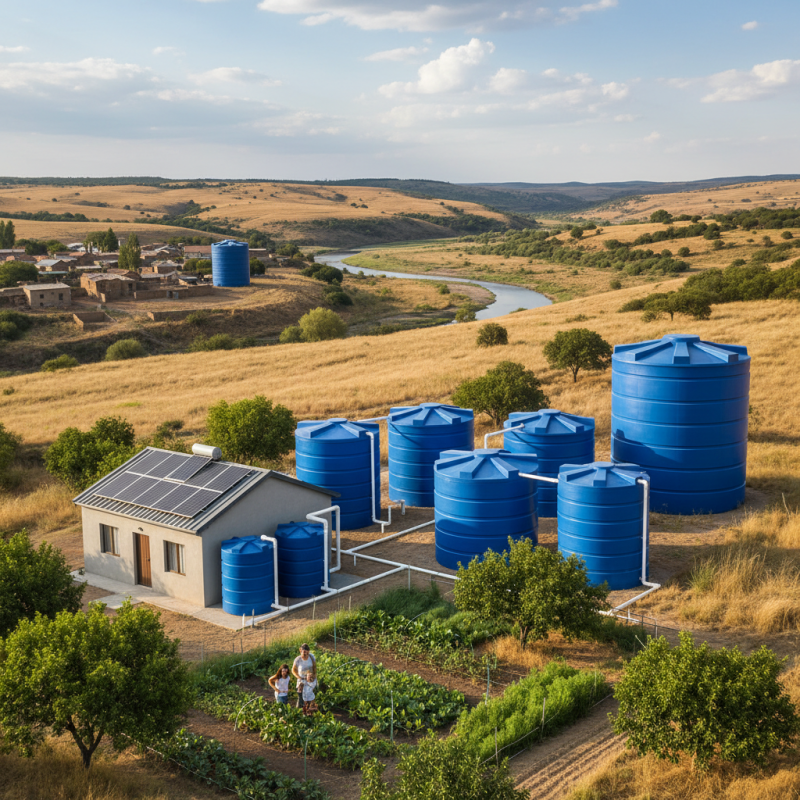
Advantages of HDPE Water Tanks Over Other Materials
When it comes to water storage, the choice of material plays a crucial role in the efficiency and longevity of the tank. HDPE (High-Density Polyethylene) water tanks stand out for several reasons when compared to traditional materials such as concrete or metal. One of the primary advantages of HDPE tanks is their resistance to corrosion and rust, which can significantly affect the integrity of water storage systems made from other materials. This resistance ensures that the water remains uncontaminated and safe for use, whether for drinking or irrigation.
Another benefit of HDPE water tanks is their lightweight nature, making them easier to transport and install. Unlike heavy concrete tanks, HDPE tanks can be moved with minimal effort, reducing labor costs during installation. Additionally, the flexibility of HDPE allows for various shapes and sizes, accommodating different space constraints and site requirements.
Tips: When selecting an HDPE water tank, consider the capacity needed based on your usage. Additionally, ensure the tank is UV stabilized for outdoor use to prolong its lifespan. Lastly, always check for local regulations regarding installation and maintenance to ensure compliance and optimal performance.
Top Benefits of Using HDPE Water Tanks for Your Water Storage Needs
Durability and Resistance to Environmental Factors
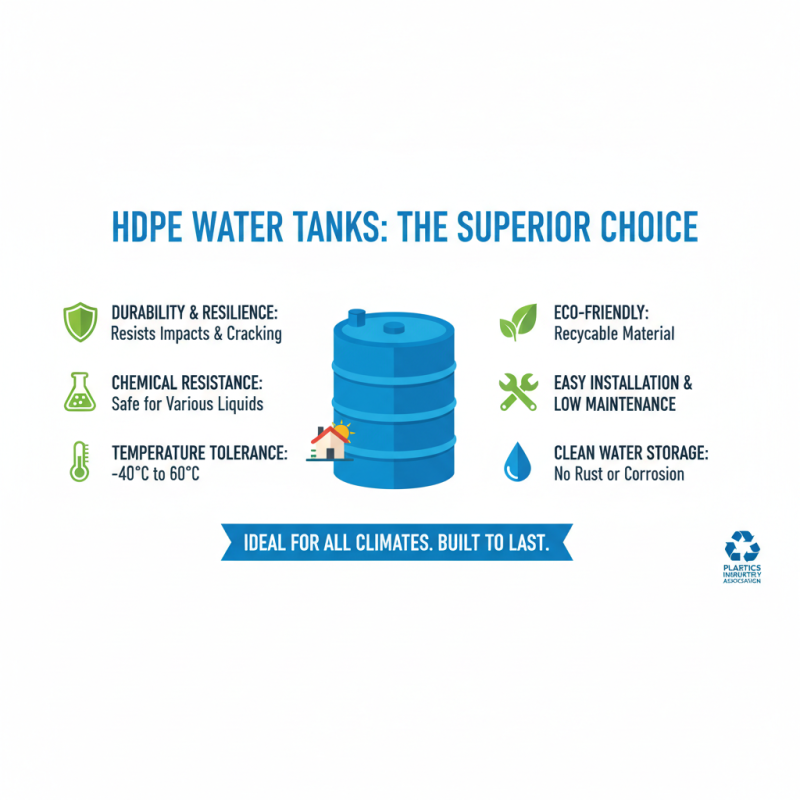
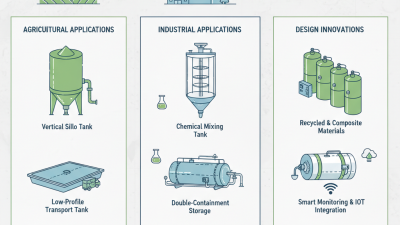
HDPE (High-Density Polyethylene) water tanks have gained significant popularity due to their exceptional durability and resilience against various environmental factors. Unlike traditional materials such as metal or concrete, HDPE tanks are specifically designed to withstand harsh conditions. According to a report by the Plastics Industry Association, HDPE's chemical resistance is especially notable; it can withstand a broad range of temperatures and environmental conditions without losing structural integrity, making it an ideal choice for water storage in diverse climates.
The longevity of HDPE tanks is another critical advantage. Research indicates that HDPE can have a service life of up to 50 years, thanks to its resistance to UV radiation and environmental degradation. This durability not only minimizes the need for frequent replacements but also significantly reduces maintenance costs over time. Additionally, HDPE's lightweight nature facilitates easier installation and transportation. A study published by the American Water Works Association highlights that using HDPE tanks can lead to a decrease in wear and tear, ensuring consistent and reliable water storage for agricultural, industrial, and residential applications.
Cost-Effectiveness of HDPE Tanks for Water Storage
When it comes to water storage solutions,
HDPE (High-Density Polyethylene)
tanks stand out for their cost-effectiveness.
These tanks are not only affordable upfront but also offer significant savings over time due to their
durability and low maintenance requirements. Unlike traditional materials,
HDPE is resistant to corrosion, which means that there are fewer long-term costs associated with
replacements or repairs. This resilience ensures that you can rely on your water storage system for
many years without the need for extensive financial investment.
Furthermore, the lightweight nature of HDPE tanks contributes to their cost-effectiveness.
Transportation and installation costs are minimized since these tanks are easier to handle and
require less labor during setup. Additionally, the flexibility in design allows for a variety of sizes
and shapes, catering to different storage needs without necessitating significant structural changes.
Overall, using HDPE tanks not only reduces initial expenditure but also enhances
long-term value, making them a wise choice for efficient water storage solutions.
Ease of Installation and Maintenance for HDPE Tanks
One of the standout advantages of HDPE water tanks is their ease of installation. Unlike traditional materials that often require extensive labor and time, HDPE tanks are designed to be lightweight and manageable. This feature allows for quicker setup, as they can often be installed without heavy machinery or specialized equipment. Homeowners and businesses alike appreciate the ability to place these tanks in various locations without the need for significant structural adjustments, making them an ideal choice for water storage.
Furthermore, maintenance for HDPE tanks is minimal, which is a significant benefit for users. The material is resistant to corrosion, UV rays, and a variety of chemicals, reducing the need for frequent inspections or repairs. Cleanliness is also easier to maintain, as smooth surfaces discourage algae buildup and other contaminants. This not only prolongs the life of the tank but also ensures that the stored water remains clean and safe for use, making HDPE water tanks a practical and low-maintenance solution for anyone's water storage needs.
Top Benefits of Using HDPE Water Tanks for Your Water Storage Needs
| Benefit |
Description |
Impact |
| Ease of Installation |
HDPE tanks are lightweight and easily transported to the installation site, making setup a breeze. |
Reduces labor costs and setup time. |
| Durability |
Resistant to rust, corrosion, and UV radiation, leading to a longer lifespan. |
Minimizes replacement costs. |
| Low Maintenance |
Requires minimal upkeep compared to traditional water storage solutions. |
Saves time and resources in the long run. |
| Environmental Safety |
Made from recyclable materials and does not leach harmful chemicals. |
Ensures safe water storage for users. |
| Customizable Sizes |
Available in various sizes to fit different storage needs. |
Provides flexibility for various applications. |
Sustainability and Environmental Impact of HDPE Materials
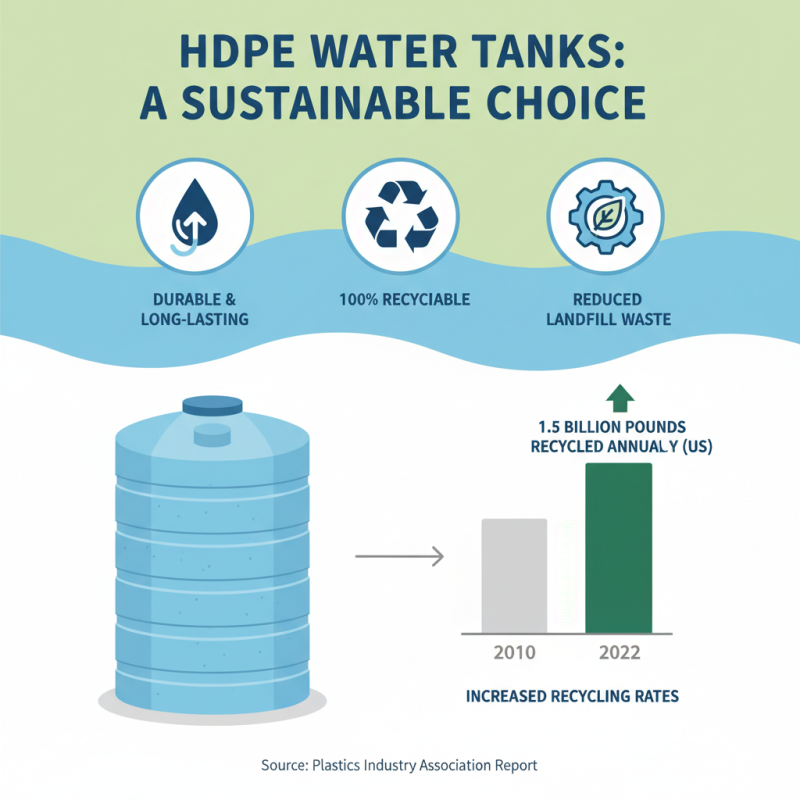
HDPE (High-Density Polyethylene) water tanks have emerged as a sustainable solution for water storage, offering significant environmental advantages. As one of the most popular plastic materials worldwide, HDPE is not only durable but also recyclable, contributing to reduced waste in landfills. According to a report by the Plastics Industry Association, recycling rates for HDPE products have increased significantly, with over 1.5 billion pounds being recycled annually in the United States alone. This indicates a growing awareness and practice of sustainability within the industry.
Moreover, the production of HDPE materials has a lower carbon footprint compared to alternatives such as metals or traditional plastics. The greenhouse gas emissions associated with HDPE manufacturing are reduced by up to 50% when compared to PVC, making it a more environmentally friendly option. Additionally, HDPE tanks are resistant to corrosion and chemical leaching, ensuring that water quality is maintained without contamination. This is particularly important in regions where water purity is critical for health and safety. Studies have shown that by opting for HDPE storage solutions, communities can significantly minimize their environmental impact while ensuring a reliable water supply.