Best Mixing Tank Solutions for Global Buyers in 2026?
In 2026, the demand for efficient mixing tanks is expected to surge. Industry reports indicate that the global mixing tank market is projected to reach $8 billion by 2026, with a compound annual growth rate (CAGR) of 6%. These tanks are crucial in sectors like food and beverage, pharmaceuticals, and chemicals. They aid in creating uniform mixtures and enhancing product quality.
The need for advanced mixing technologies is clear. As industries prioritize efficiency and sustainability, mixing tank solutions must evolve. Challenges persist, such as energy consumption and maintenance costs. Buyers should consider these factors when selecting a mixing tank. Innovations are necessary, but practical concerns cannot be overlooked.
As we explore the best mixing tank solutions, understanding specific industry requirements is vital. Gathering insights from experts and market analysis ensures informed decisions. A focused approach will benefit buyers seeking reliable and effective mixing solutions.
Best Mixing Tank Solutions for Global Buyers in 2026
In 2026, the demand for effective mixing tank solutions will be crucial for various industries. These tanks are essential for blending, emulsifying, and dispersing materials efficiently. Understanding the specific needs of your process is vital. Different applications require different types of mixers. Some processes may demand high shear mixing, while others may need gentle agitation.
Tips: Always assess the viscosity of your materials. This will guide you in choosing the right mixer speed.
Design factors play a significant role in achieving optimal results. The shape of the tank, the material used, and the placement of baffles can impact mixing performance. A poorly designed tank may lead to uneven mixing and wasted resources. Adjusting these factors can significantly enhance efficiency.
Tips: Regular maintenance checks can prevent costly downtimes. Small issues can escalate if not addressed early.
Purchasing a mixing tank is not just about size and capacity. Consider future scalability and versatility of the equipment. With rapid advancements in technology, integrated solutions that offer automation and real-time monitoring will be more common. Staying informed about these developments can make a difference in your operational success.
Best Mixing Tank Solutions for Global Buyers in 2026
| Tank Type |
Capacity (Liters) |
Material |
Application |
Price Range (USD) |
Availability |
| Stainless Steel |
1000 |
Stainless Steel |
Chemical Processing |
$3000 - $5000 |
In Stock |
| Polypropylene |
500 |
Polypropylene |
Food Industry |
$1500 - $2500 |
Pre-Order |
| Glass-Lined |
2000 |
Carbon Steel |
Pharmaceutical |
$5000 - $8000 |
Available |
| Agitated |
750 |
Stainless Steel |
Biotech |
$4000 - $6000 |
Limited Stock |
| Crystallizer |
1500 |
Glass |
Chemical |
$7000 - $10000 |
Special Order |
Market Trends in Mixing Tank Technology for 2026
The mixing tank technology landscape is evolving rapidly. Buyers must stay informed about the latest trends shaping the industry in 2026. A key trend is the rise of automation. Automated mixing tanks offer precision, reduce human error, and increase efficiency. They also help streamline operations in various sectors, from pharmaceuticals to food production.
Sustainability is another focal point. Manufacturers are increasingly designing tanks that minimize energy consumption and waste. Using eco-friendly materials enhances overall sustainability. These developments reflect growing global awareness of environmental issues. As you consider your options, look for solutions that align with sustainable practices.
Tips for choosing the right mixing tank include evaluating your specific needs. Consider capacity, mixing efficiency, and energy consumption. Join industry forums and follow online discussions to gather insights. Don’t overlook the importance of upkeep and maintenance in prolonging equipment lifespan. Engage with experts who can provide valuable advice based on real-world experiences.
Key Features to Consider in Mixing Tanks for Optimal Performance
When selecting mixing tanks, several key features significantly impact performance. Agitation efficiency is crucial. According to a report by the Mixing Technology Research Institute, up to 70% of mixing effectiveness hinges on the design of the impeller. A well-designed impeller can reduce energy consumption while enhancing mixing speed. Consider the material used in construction as well. Corrosion-resistant materials ensure longevity, especially in harsh environments.
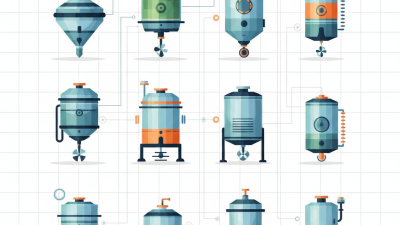
Another vital aspect is the tank geometry. Tanks with a conical shape can facilitate better fluid flow. The same research notes that the right geometry can reduce mixing time by as much as 25%. Additionally, the tank's size plays a role. Larger tanks might be more cost-effective, but they can lead to inefficiencies. Smaller tanks are often easier to clean and maintain.
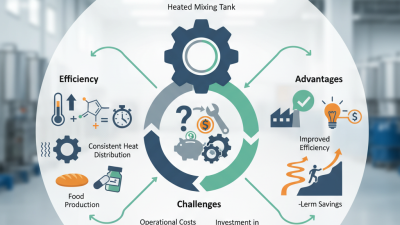
Temperature control is another factor that demands attention. Uniform temperature distribution is essential for many processes. Tanks equipped with effective heating or cooling systems can significantly enhance product quality. However, maintaining ideal conditions can be challenging; nearly 30% of facilities report issues with temperature fluctuations. Understanding these factors can help guide buyers in making informed decisions. Balancing efficiency and effectiveness is not always straightforward.
Leading Manufacturers of Mixing Tanks and Their Innovations
In 2026, mixing tanks continue to evolve, driven by innovative manufacturers aiming to meet diverse market demands. Recent industry reports indicate that the global mixing tank market is projected to grow at a CAGR of 4.5%. This growth hinges on advancements in technology and production methods, along with the rising demand from sectors such as food, pharmaceuticals, and chemicals.
Leading manufacturers are innovating by incorporating smart technology into their mixing tanks. These developments include automated controls and real-time monitoring systems. This level of precision allows for enhanced consistency in mixed products, which is vital in high-stakes industries. However, concerns remain about the reliability of these systems, especially in regions with unstable power supplies.
Tips: When selecting a mixing tank, consider not just the technology, but also the quality control processes in place. Understanding the brand's history in innovation can provide insight into their reliability. As manufacturers adapt to changing regulations and market needs, it’s essential for buyers to stay informed about potential gaps in product performance. Regularly reviewing operational efficiency can also help in identifying areas for improvement.
Impact of Regulatory Standards on Mixing Tank Design Choices in 2026
In 2026, the design of mixing tanks will undergo significant changes due to evolving regulatory standards. Industries are facing increased pressure to enhance safety and environmental compliance. These regulations influence materials, safety features, and operational protocols. Companies must adapt to maintain compliance while ensuring efficiency.
Mixing tank designs will increasingly focus on sustainable materials. Selecting eco-friendly resins and alloys can be challenging. Not all suppliers meet required sustainability standards, creating potential supply chain issues. There's a need for ongoing evaluation and adjustment. This complexity may lead manufacturers to question the balance between cost and compliance.
Moreover, safety regulations will demand advanced monitoring systems. Incorporating real-time sensors is becoming essential. However, not all facilities are prepared for such upgrades. The integration of technology can seem daunting, yet it is crucial for meeting safety protocols. Industry leaders will have to reassess their approach regularly. Continuous learning will play a vital role in achieving compliance and staying ahead of potential regulatory changes.