Skip to content
Menu

What Is the Best Stainless Tank from China?

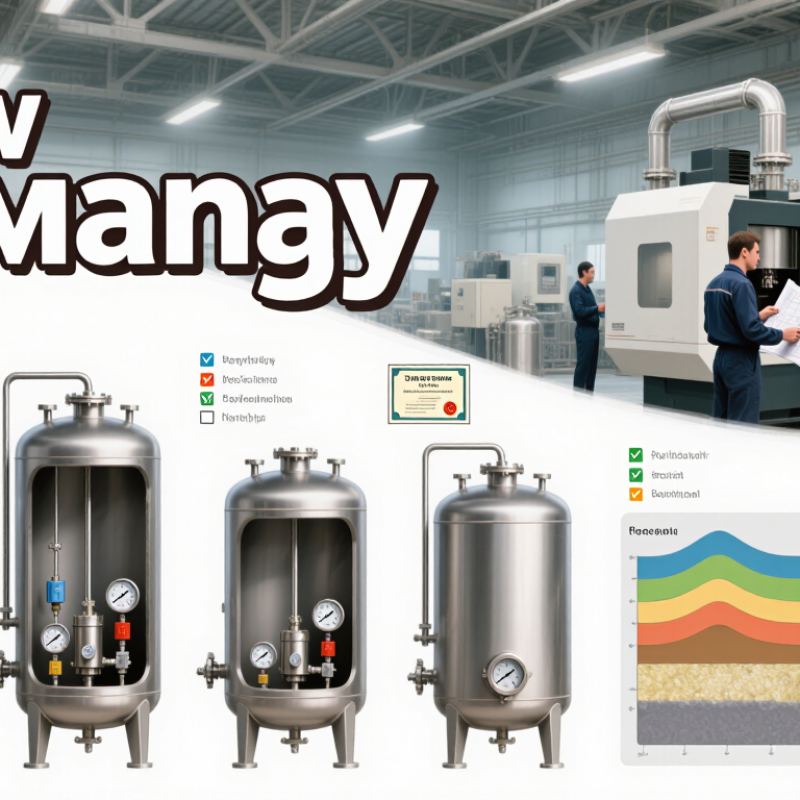
Choosing the best stainless tank from China requires more than comparing prices or polished product photographs. A reliable tank must match its purpose, contents, pressure conditions, cleaning process, and installation environment. Food processing, chemical handling, brewing, water treatment, and pharmaceutical production all demand different specifications. The right choice begins with evidence, not assumptions.

This guide examines tank manufacturers through practical details. We consider stainless steel grades, plate thickness, welding quality, surface finish, insulation, agitators, fittings, and temperature controls. A well-built stainless tank should show consistent welds, clean internal corners, accurate dimensions, and documented material traceability. Certificates, pressure test records, and factory inspection reports also matter. Small details often reveal larger habits.

Supplier experience is equally important. A capable factory can explain its design decisions, provide drawings, support installation, and respond clearly when requirements change. Visiting the workshop, reviewing previous projects, and checking production equipment can reduce costly surprises. Photos help, but they never replace inspection. That point is easy to overlook.

There is no universal “best” stainless tank for every buyer. A low-cost model may perform well in a simple water application but fail under demanding sanitation requirements. Conversely, an advanced pharmaceutical tank may exceed a small operation’s needs. This comparison has limitations, especially when suppliers present incomplete information or use different testing methods. We will question those gaps instead of treating every specification as proof of quality. The goal is a practical, balanced evaluation that helps buyers identify dependable Chinese manufacturers and select a tank that remains safe, efficient, and serviceable over time.
What Is the Best Stainless Tank from China?

Types of Stainless Steel Tanks Available from China

What Is the Best Stainless Tank from China?

China supplies several stainless steel tank types for food, beverage, chemical, pharmaceutical, and water applications. Vertical storage tanks suit fixed production lines and limited floor space. Horizontal tanks work well under low ceilings or during transport. Jacketed tanks control temperature through hot water, steam, or chilled fluid. Mixing tanks add impellers for blending powders, liquids, or viscous materials. Fermentation tanks usually include sanitary fittings, cooling jackets, pressure control, and cleaning systems.

Material selection matters. Stainless steel 304 handles many general food and water duties. Stainless steel 316L offers stronger resistance to chlorides and aggressive cleaning chemicals. The International Stainless Steel Forum reported 58.4 million tonnes of global stainless crude steel production in 2023. That scale supports broad fabrication capacity, but volume does not guarantee quality. Weld profiles, surface roughness, passivation, and dimensional accuracy still require inspection. I would not choose a tank from photographs alone.

Tips: Request material certificates, weld inspection records, pressure-test results, and internal surface measurements. Confirm whether the tank is atmospheric, vacuum-rated, or pressure-rated. Ask for the design code and operating temperature. A factory may promise “food grade,” yet that phrase lacks useful detail without a documented standard. Product contact surfaces should be traceable. Also check the drain design; a small low-point pocket can retain liquid and complicate cleaning. There is no perfect tank. The best choice matches the process, not merely the lowest quotation.

Key Materials and Manufacturing Standards to Compare

What Is the Best Stainless Tank from China?

Choosing the best stainless tank starts with materials and manufacturing standards, not appearance. Stainless steel 304 suits many water, food, and general storage applications. Stainless steel 316L offers stronger resistance to chlorides and aggressive cleaning chemicals. The correct choice depends on the medium, temperature, pressure, and cleaning process.

Ask for material certificates with heat numbers and full traceability. A reliable manufacturer should explain plate thickness, welding procedures, surface finish, and inspection records. Internal welds should be smooth, continuous, and easy to clean. Orbital welding can improve consistency, but it does not replace skilled inspection. Confirm whether the tank requires passivation, hydrostatic testing, vacuum testing, or pressure testing. Standards such as ASME, PED, or sanitary requirements may apply, depending on the installation location and intended use. A certificate alone is not proof of quality. This is where many buyers become too optimistic.

Tips: Compare drawings, tolerances, and test procedures before comparing prices. Request weld photographs, material reports, and a final inspection checklist. Check the manway gasket, spray ball, valves, and legs as carefully as the tank shell. Small parts often reveal weak manufacturing control. If the supplier avoids technical questions, pause the purchase. A lower quote may reflect thinner steel, fewer inspections, or unclear responsibility. Ask an independent inspector to verify critical dimensions when the tank is large, pressurized, or difficult to replace.

What Is the Best Stainless Tank from China?

Key materials and manufacturing standards to compare

How to read this chart: The values show the minimum specified chromium and nickel content for common austenitic stainless steel grades under ASTM A240. Higher alloy content can improve corrosion resistance, but the final tank selection also depends on the liquid, temperature, pressure, weld quality, and surface finish.

Material comparison: 316 and 316L contain 2.00–3.00% molybdenum, which provides better resistance to chlorides and salt-containing media than 304 and 304L. 316L is often preferred for welded tanks because its maximum carbon content is limited to 0.03%.

Manufacturing standards to verify: Ask for material certificates compliant with ASTM A240 or the applicable GB/T equivalent, welding procedures qualified to the required pressure-vessel code, and inspection records covering dimensional checks, weld inspection, hydrostatic or leak testing, and surface passivation.

Grade Minimum Chromium Minimum Nickel Important specification
304 18.0% 8.0% General-purpose stainless steel
304L 18.0% 8.0% Maximum carbon: 0.03%
316 16.0% 10.0% 2.00–3.00% molybdenum
316L 16.0% 10.0% 2.00–3.00% molybdenum; maximum carbon: 0.03%

Reference basis: ASTM A240 chemical composition requirements for chromium-nickel stainless steel plate, sheet, and strip.

How to Evaluate Tank Design, Capacity, and Performance

Choosing the best stainless tank from China requires more than comparing quoted prices. A reliable evaluation starts with design details, capacity, and measured performance. During factory inspections, examine welds, supports, manways, valves, and surface finishing. Small weld flaws matter. Tank design should match the product, cleaning method, and working temperature. Check internal corners carefully. Smooth, well-drained surfaces reduce residue and simplify sanitation. Confirm material grades, wall thickness, pressure ratings, and fabrication drawings before payment. A clear document trail improves traceability and supplier accountability.

Capacity is not simply the tank’s advertised volume. Usable volume should leave headspace for mixing, foam, and thermal expansion. A tank filled to its limit may perform poorly. For heating or cooling, inspect jacket coverage, insulation, and connection placement. For mixing, review impeller type, motor power, shaft alignment, and speed control. Ask for water tests, leak checks, and documented performance data.

Do not rely only on photographs. I have seen attractive tanks fail because drainage was weak or access was awkward. That experience is easy to overlook when a specification sheet looks complete. Leave room for doubt, and verify critical claims independently.

Tips: Request a drawing with dimensions and nozzle locations. Compare actual volume with working volume. Check certificates against the delivered tank. Record test results, photos, and deviations before shipment. If the quotation is unusually cheap, question the omitted details.

Quality Control, Certifications, and Supplier Reliability

Choosing the best stainless tank from China requires more than comparing prices. Quality control should be visible in production records, not only in polished photos. Ask for material certificates, heat numbers, weld inspection reports, and surface-finish measurements. For food, chemical, or pharmaceutical use, stainless grades such as 304L or 316L should match the stored medium. A portable material identification test can confirm the alloy before shipment. Welds should show consistent penetration, smooth transitions, and no visible pinholes. Internal polishing matters because rough areas can trap residue.

Certifications support trust, but they do not replace inspection. Check whether the supplier maintains ISO 9001 procedures and can provide certificates relevant to your market, such as pressure equipment approval when required. Request calibration records for pressure gauges and leak-testing equipment. A hydrostatic test report should include the test pressure, duration, date, and inspector. In practice, paperwork can look complete while small details remain unclear. That is a warning sign. Supplier reliability also depends on traceability, honest lead times, and responsive corrective action. Ask for a sample inspection plan before placing a large order.

Tips: Request production photos with visible dates and tank serial numbers. Hire an independent inspector for welding, dimensions, and pressure tests. Confirm packaging details, spare seals, and after-sales response times in writing. A short video call inside the workshop can reveal more than a certificate. Pay attention to unanswered technical questions. Slow replies may become costly after shipment.

What Is the Best Stainless Tank from China? - Quality Control, Certifications, and Supplier Reliability
Evaluation Dimension Recommended Technical Requirement Quality-Control Evidence to Request Priority
Tank Material Use a documented stainless-steel grade suitable for the stored medium. 304/304L is common for general food and water service, while 316/316L provides better resistance to chlorides and many corrosive environments. Material test certificates identifying the grade, heat number, chemical composition, mechanical properties, and plate or tube thickness. Required
Material Traceability Every pressure-retaining or product-contact component should be traceable from the finished tank back to the original material heat or batch. Heat-number records, material receiving reports, cutting records, component lists, and traceability markings transferred during fabrication. High
Design Standard The tank should be designed under a clearly identified standard appropriate to its use, such as a recognized pressure-vessel, sanitary-equipment, storage-tank, or structural design code. Approved drawings showing design pressure, vacuum rating, temperature range, corrosion allowance, weld details, nozzle loads, and applicable design code. Required
Welding Quality Weld procedures and welder qualifications should match the stainless-steel grade, thickness, joint type, and service conditions. Welding procedure specifications, procedure qualification records, welder qualification records, welding maps, filler-metal certificates, and heat-input controls where applicable. High
Weld Inspection Inspection should be risk-based. Visual inspection is essential; dye-penetrant, radiographic, ultrasonic, or other non-destructive testing may be required by the design code or service risk. Inspection plans, weld-visual reports, non-destructive examination reports, acceptance criteria, repair records, and final weld maps. High
Internal Surface Finish For sanitary or product-contact service, the internal surface should be smooth, cleanable, and free from crevices, sharp edges, weld spatter, and embedded iron contamination. Surface roughness should be specified where required. Surface-finish specification, roughness readings when applicable, photographs of internal welds, and inspection records for polishing, grinding, and passivation. High
Passivation and Cleaning Stainless surfaces should be cleaned after fabrication, with chemical passivation or another validated treatment when required by the application. Cleaning and passivation procedure, chemical concentration and exposure records, rinse-water checks, and final cleanliness or free-iron test results where specified. High
Pressure and Leak Testing The completed tank should pass the applicable hydrostatic, pneumatic, vacuum, or leak test without unacceptable deformation or leakage. Test conditions must follow the approved design and safety procedure. Signed test report stating test medium, pressure or vacuum level, duration, calibrated gauge identification, temperature, inspection result, and authorized witness details. Required
Dimensional Accuracy Overall dimensions, shell roundness, nozzle locations, support positions, manway orientation, and connection sizes should conform to the approved drawing. Final dimensional inspection report, calibrated measurement-tool records, nozzle orientation check, and as-built drawing with approved deviations. Medium
Safety and Relief Protection Tanks exposed to pressure, vacuum, heating, or gas generation should include appropriately sized relief, vacuum-break, vent, drain, and isolation arrangements. Relief-device sizing calculation, set-pressure documentation, vacuum protection details, hazard review, and installation drawings. Required
Certification System The supplier should operate a documented quality-management system. Certification must be relevant to the scope of fabrication and verifiable through the issuing certification body. Current quality-management certificate, scope statement, certificate validity, audit status, controlled procedures, and records showing corrective-action management. High
Regulatory Compliance For regulated applications, the tank should meet the destination market’s requirements for pressure equipment, food contact, drinking water, chemical service, or other applicable use. Declaration of conformity where applicable, design calculations, inspection certificates, material declarations, test reports, and destination-country compliance documents. Required
Factory Acceptance Testing A documented factory acceptance test should verify workmanship, accessories, instruments, controls, dimensions, testing, and supplied documentation before shipment. Signed inspection and test plan, punch-list closure, calibration certificates, functional test records, customer witness records, and final release note. High
Supplier Experience Preference should be given to fabricators with verifiable experience in tanks of comparable material, capacity, pressure class, sanitary level, and operating environment. Redacted project references, comparable production records, process capability information, inspection resources, and evidence of successful export or installation support. High
Production Capacity The supplier should have sufficient welding, forming, machining, polishing, testing, lifting, and packing capacity to meet the project schedule without outsourcing critical work without approval. Production plan, equipment list, personnel qualifications, subcontractor-control procedure, capacity confirmation, and milestone schedule. Medium
Documentation Control The final documentation package should be complete, consistent with the delivered tank, and supplied in an agreed format before or at shipment. Approved drawings, manuals, certificates, test reports, inspection records, spare-parts list, operating limits, maintenance instructions, and as-built documentation. High
Packaging and Export Readiness The tank should be protected against moisture, contamination, impact, flange damage, and distortion during inland transport, port handling, and ocean shipment. Packing specification, lifting points, center-of-gravity information, corrosion protection method, moisture barriers, shipping marks, and loading photographs. Medium
Warranty and After-Sales Support The purchase agreement should define warranty scope, response time, spare-parts support, defect handling, remote assistance, and responsibilities for installation or commissioning. Written warranty terms, service contact details, escalation process, spare-parts availability, commissioning plan, and documented corrective-action procedure. High
Overall Selection Rule The best stainless tank is not determined by price alone. Select the supplier that provides verifiable materials, qualified fabrication, applicable certification, complete testing, traceable documentation, and reliable project support. Use a weighted technical-commercial evaluation and require objective evidence before approving the supplier or releasing the final payment. Required

Choosing the Best Chinese Stainless Steel Tank for Your Needs

What Is the Best Stainless Tank from China?

Choosing the Best Chinese Stainless Steel Tank for Your Needs

Choosing a Chinese stainless steel tank starts with your process, not the lowest quotation. A beverage workshop may need a polished 304 tank, while saline or acidic liquids often require 316L steel. Confirm the liquid temperature, density, viscosity, and cleaning method before discussing dimensions. Fit matters more. Tank volume should match daily production without leaving large residues overnight. I once saw a tank selected by capacity alone, and its narrow outlet made cleaning frustrating.

Ask the manufacturer for material certificates, weld inspection records, surface-finish details, and pressure-test reports. For hygienic applications, smooth internal welds and proper passivation reduce residue and corrosion risks. Check the manway, spray ball, agitator, drain valve, insulation, and support legs carefully. Every connection needs a purpose. A tank with excellent steel can still fail operationally if the outlet sits too high. Request drawings with nozzle positions before fabrication begins.

Chinese suppliers can provide useful customization, but communication must be precise. Send a simple process sketch, product information, target capacity, and site limits. Clarify whether the tank is atmospheric, vacuum-rated, or pressure-rated. Do not accept vague claims such as “food grade” without supporting documents. Independent inspection may cost more, yet it can reveal thin plates, uneven polishing, or missing accessories. Specifications sometimes change during production. Record every revision, even small ones. That discipline prevents expensive surprises.