China Best 36 Pipe End Caps Wholesale Supplier?
Finding the best China 36 Pipe End Caps wholesale supplier requires more than comparing prices. Buyers should examine material quality, dimensional accuracy, production experience, and delivery performance. A dependable supplier understands how pipe end caps protect open pipe ends during storage, transport, fabrication, and installation.
The right supplier should provide clear specifications. Ask about nominal pipe size, outside diameter, wall thickness, end-cap material, color, and temperature resistance. Common materials may include polyethylene, PVC, rubber, steel, or custom compounds. Each option suits different working conditions. Samples matter. A cap may look correct but fit poorly after temperature changes or repeated handling.
Factory audits can reveal useful details. Look for organized molding areas, calibrated measuring tools, traceable batch records, and practical quality-control procedures. Reliable suppliers should explain inspection methods instead of offering vague promises. They should also confirm packaging details, carton strength, labeling, minimum order quantities, and lead times.
Price is only one part.
A low quotation may hide inconsistent dimensions, weak packaging, or limited after-sales support. In my experience, small trial orders often expose problems early. However, inspection results should be recorded carefully, because one successful sample cannot prove long-term consistency. This article will compare important supplier-selection factors for 36 Pipe End Caps in China. It will focus on manufacturing capability, customization, quality evidence, communication, and total purchasing value. The word “best” needs caution. The most suitable supplier depends on your application, order volume, standards, and delivery expectations.
What Are 36-Inch Pipe End Caps and Where Are They Used?
A 36-inch pipe end cap is a protective fitting designed to close the end of a large-diameter pipe. Its nominal size usually refers to the pipe connection size, not the cap’s exact outside diameter. Actual dimensions depend on wall thickness, pipe standards, and the connection method.
These caps are used in water transmission, drainage, construction, irrigation, and industrial piping systems. They prevent dirt, rainwater, insects, and loose materials from entering open pipes during storage or installation. In operating systems, welded or mechanically secured caps can close unused branches. Removable versions allow technicians to inspect, clean, or test the pipeline later.
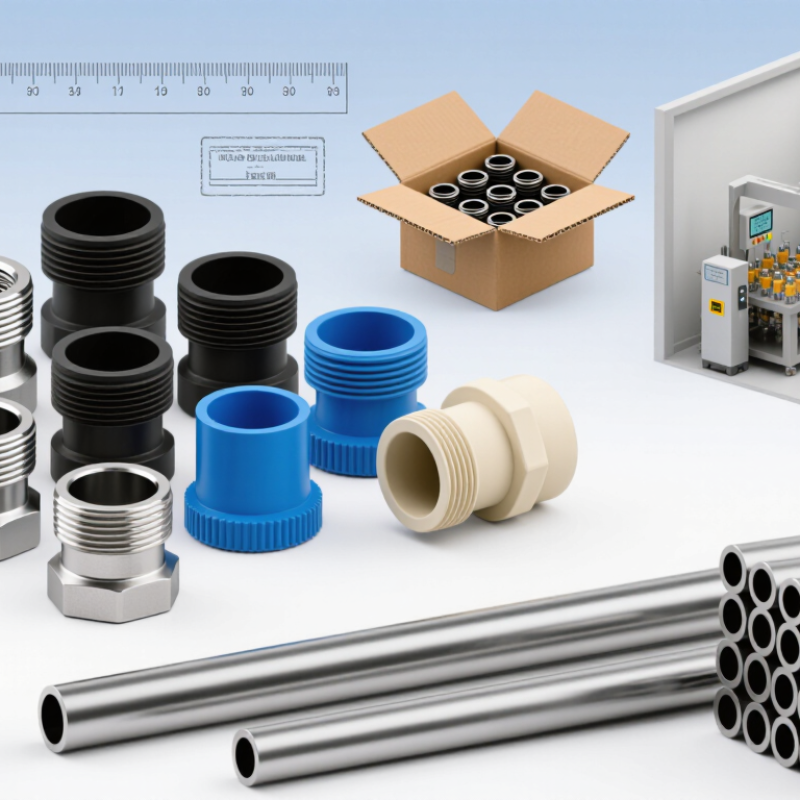
Material selection needs practical judgment. Carbon steel suits demanding structural work, while stainless steel resists corrosion in harsher environments. Plastic caps may work for lighter-duty applications, but temperature and pressure limits must be checked carefully.
I have seen projects fail because the cap matched the diameter but not the pressure rating. That mistake is expensive.
A reliable wholesale supplier should provide dimensional drawings, material certificates, pressure information, and consistent production records. Buyers should also confirm bevel angles, wall thickness, surface treatment, packaging, and loading protection. The “best” supplier is not always the cheapest. Delivery accuracy matters when one missing cap can delay an entire installation.
Which Specifications Matter When Choosing 36-Inch Pipe End Caps?
Choosing 36-inch pipe end caps starts with one detail: confirm what “36 inch” means. It may describe nominal size, not the actual outside diameter. Measure the mating pipe and check the dimensional standard. A small mismatch can stop installation.
Wall thickness and pressure class matter equally. A thin cap may deform during handling or fail under internal pressure. Match the cap’s schedule, material grade, and temperature range with the pipeline service. Carbon steel suits many general systems, while stainless steel may resist aggressive moisture better. The correct choice depends on the fluid, not appearance.
Connection style also deserves careful review. Bevel dimensions must suit welding equipment and joint preparation. Threaded or mechanical designs need exact tolerances. Ask for material certificates, dimensional inspection records, and pressure-test details when applicable. These documents support traceability and make wholesale purchasing more reliable.
Coating thickness, end protection, and storage conditions can affect delivery quality. One point is easy to overlook: a cap can meet a drawing yet still arrive scratched or distorted. Suppliers should explain packaging, inspection frequency, and replacement procedures before large-volume orders.
How to Compare Chinese Wholesale Pipe End Cap Suppliers
How to Compare Chinese Wholesale Pipe End Cap Suppliers
Comparing Chinese wholesale pipe end cap suppliers requires more than checking the lowest quotation. Review the supplier’s material options, production capacity, and quality controls. Ask whether caps are made from carbon steel, stainless steel, or plastic grades suitable for your application. Confirm wall thickness, outside diameter, surface treatment, and dimensional tolerances in writing.
Details matter. Request recent inspection records, material certificates, and pressure or fit-test results when relevant. A reliable supplier should explain how incoming materials are checked and how finished caps are sampled before shipment. Compare minimum order quantities, tooling charges, production lead times, and packaging methods. Wooden cases may protect heavy metal caps, while reinforced cartons can suit lighter products. Ask for sample pieces before placing a large order.
Communication also reveals practical ability. Can the supplier answer technical questions clearly? Do drawings return with accurate revisions? Check factory documentation, export experience, and traceability for each batch. Independent inspections can reduce risk, although they add cost and time. That gap matters. A polished catalog does not prove consistent production. Some buyers focus too heavily on price and later discover uneven edges, poor threading, or mixed materials. I would compare at least three written quotations using the same specification sheet. No comparison is perfect. Leave room for unexpected delays, rejected samples, and changing freight costs.
China Best 36 Pipe End Caps Wholesale Supplier? How to Compare Chinese Wholesale Pipe End Cap Suppliers
Use standardized nominal pipe size and outside diameter when comparing wholesale end-cap quotations. The dimensions below are common steel pipe outside diameters listed in ASME B36.10M and help buyers verify whether suppliers are quoting compatible products.
When reviewing suppliers, compare the same NPS size, outside diameter, material grade, wall thickness, manufacturing standard, surface finish, inspection documents, minimum order quantity, and delivery terms.
How to Verify Quality, Certifications, and Manufacturing Standards
China Best 36 Pipe End Caps Wholesale Supplier?
When evaluating a wholesale supplier, inspect actual samples before trusting polished catalogs. Measure outer diameter, wall thickness, length, and sealing surfaces with calibrated tools. Check threads or bevels carefully. Small dimensional errors can cause leakage during installation. Ask for the material grade and compare it with the purchase specification. Request a mill test certificate for each production batch, not a generic document. Keep clear records.
Certifications need close verification. Confirm the certificate number, issuing body, validity period, and covered factory location. The certificate must apply to the product and manufacturing process. ISO 9001 can indicate controlled quality procedures, but it does not prove every end cap is defect-free. Depending on the application, review relevant ASTM, ASME, EN, or other required standards. A supplier should explain test methods clearly. Vague answers deserve caution.
Manufacturing evidence matters more than promises. Request process-flow charts, incoming material records, in-process inspection reports, and final test results. Useful checks may include pressure testing, visual inspection, dimensional sampling, and surface-finish review. Ask how rejected pieces are isolated and recorded. A factory audit, even by video, can reveal storage problems or mixed materials. One weakness remains: sampling cannot expose every hidden defect. For larger orders, use independent inspection before shipment. A low price may still be reasonable, but unexplained shortcuts should not be ignored.
What to Consider When Ordering and Shipping from China?
China Best 36 Pipe End Caps Wholesale Supplier?
What to Consider When Ordering and Shipping from China?
Choosing a Chinese supplier for 36 pipe end caps requires more than comparing unit prices. Confirm the cap material, outside diameter, wall thickness, color, and temperature range in writing. A clear drawing prevents expensive misunderstandings. Ask for production samples before approving a large order. Check whether the caps fit your actual pipes, not only the supplier’s measurements.
Request recent inspection records, material data sheets, and photos of packed goods. Reliable suppliers should explain their quality process without vague promises. I would also confirm carton dimensions, pieces per carton, pallet limits, and moisture protection. Small caps can become damaged when loose cartons shift inside a container. It happens more often than buyers expect.
Shipping terms deserve careful attention. Compare sea freight, rail, and air delivery against your required arrival date. Confirm the shipping port, export documents, customs information, and agreed trade terms. Your forwarder should verify the product classification and destination requirements before shipment. Do not rely on one quotation. Freight costs can change after packing details are finalized. A pre-shipment inspection may reveal scratches, uneven edges, or incorrect quantities. It adds cost, but replacing goods overseas costs more. My earlier assumption that a low factory price meant the best deal would be incomplete; packaging, inspection, delays, and communication can change the final cost significantly.

