How to Choose the Best Water Tank for Your Needs?
Choosing the right water tank is crucial for your needs. The right tank can ensure that you have a reliable water supply for various purposes. Factors like size, material, and usage dictate your best choice.
Different regions have unique weather conditions and water requirements. A durable tank can withstand harsh climates and changes over time. Consider your daily water usage when selecting. A larger family may need a bigger tank than a single person.
It’s worth thinking about where to position the water tank. Accessibility for maintenance is important. Sometimes, the perfect tank doesn’t fit your space or budget. Weighing these aspects can lead you to the most suitable option. A good choice balances cost and functionality. Reflecting on your specific needs is essential for making the right selection.
Understanding Your Water Storage Needs
When choosing a water tank, understanding your water storage needs is crucial. Consider factors such as daily water consumption, tank capacity, and location. Research by the World Health Organization estimates that an average person needs at least 20-50 liters of water per day for basic needs. For families, this can quickly add up. A household of four may need around 200 liters per day, making it essential to select a tank that meets these demands.
The size of your tank should reflect both your consumption and potential drought conditions. Data from the U.S. Geological Survey highlights that water availability can fluctuate significantly, especially during dry seasons. Therefore, planning for such scenarios with larger tanks could prevent shortages. However, an excessively large tank may lead to issues like stagnant water or increased maintenance needs. It's important to balance your requirements while considering storage capacity.
Location also plays a vital role in your decision. Tanks placed in shaded areas may reduce heat exposure, extending water quality. Conversely, exposure to sunlight can promote algae growth. Additionally, assess your local regulations that might influence installation options. Reflect on these factors deeply; they can significantly impact your experience with your water tank. Making informed choices will lead to sustainable benefits and enhanced water management for years to come.
Evaluating Different Types of Water Tanks
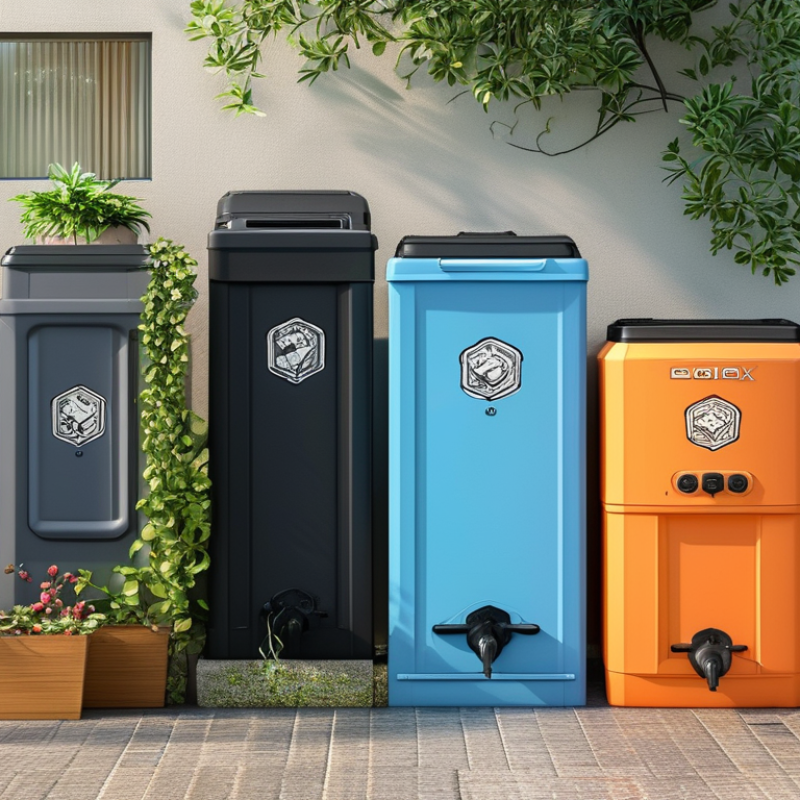
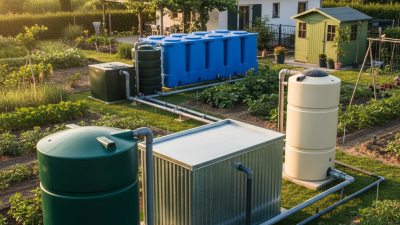
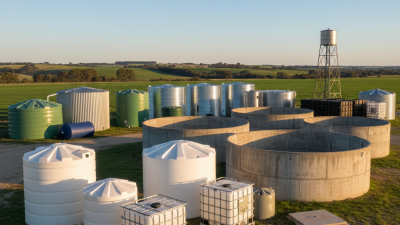
When evaluating different types of water tanks, you should consider the specific materials they are made from. Common options include plastic, stainless steel, and concrete. Each material offers unique benefits. Plastic tanks are lightweight and resistant to corrosion. Stainless steel tanks last longer, providing durability. Concrete tanks can hold large volumes, but they can be cumbersome and expensive.
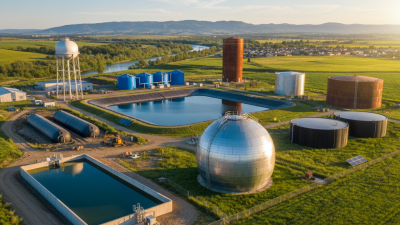
Capacity is another crucial factor. Depending on your needs, you might choose a small tank or a larger one. For households, a tank of around 500 to 1000 liters may suffice. For agricultural or commercial use, larger options are necessary. Think about your usage patterns. Do you require continuous access to water, or is it for occasional use? This consideration will help you make a more informed decision.
Location also plays a critical role. Indoor tanks may require different installation considerations compared to outdoor tanks. You should reflect on the geographic area as well. In regions with extreme weather, the tank’s insulation and durability come into focus. Installation can be tricky. Ensure that you have the right space and infrastructure ready for setup. Understanding these elements can significantly enhance your water management strategy.
Assessing Material Options for Durability and Safety
When choosing a water tank, material selection is critical. Different materials offer varying levels of durability and safety. Common options include plastic, fiberglass, and metal. Each has its unique advantages and disadvantages. For instance, plastic tanks are lightweight and resistant to corrosion. However, they may not withstand extreme temperatures as well as other materials.
Fiberglass tanks are strong and can handle temperature fluctuations. Yet, these tanks can be costlier and require careful installation. Metal tanks, particularly stainless steel, are highly durable. They can last for decades but may be prone to rust if not properly maintained. This complexity in choices can often lead to confusion.
Consider your specific needs before making a decision. Think about your climate, the water quality, and space constraints. Each of these factors plays a role in the tank's longevity and effectiveness. It’s crucial to weigh these options and reflect on your long-term requirements. Making a hasty choice might lead to issues later on. A well-informed decision can save you time and money in the long run.
Considering Capacity and Size for Your Space
Choosing the right water tank requires careful consideration of capacity and size. The capacity should match your water usage patterns. A 2021 report from the Water Research Foundation revealed that the average household uses about 300 gallons of water daily. This means selecting a tank that can comfortably meet your daily needs is crucial.
When assessing size, consider both the available space and the tank’s dimensions. A larger tank may be more efficient but could take up significant space. If your property is limited, a vertical tank might be a better solution, offering substantial capacity without a large footprint. It’s important to measure carefully. If you choose a tank that’s too large, you may face challenges in fitting it into your space efficiently.
To avoid common pitfalls, think about future needs. Will your water consumption increase? You may need to account for potential growth in your household. Keep in mind that some areas may experience seasonal demand changes, requiring extra storage capacity. Reflect on these aspects before making a decision. A well-chosen tank ensures your needs are met, whether for daily use or emergencies.
Exploring Installation and Maintenance Requirements
When installing a water tank, understanding the specific requirements is key. The choice of site significantly impacts installation ease. Ensure the ground is level and stable. Soil type can also affect the tank's weight distribution. According to the Water Environment Federation, improper installations can lead to leaks that waste up to 20,000 gallons of water annually. This not only raises costs but also raises environmental concerns.
Maintenance is another critical aspect. Regular inspections can prevent costly repairs. A study from the American Water Works Association highlights that neglecting routine checks can reduce a tank's lifespan by up to 30%. Cleaning is essential. Sediments can build up, affecting water quality. Some homeowners may overlook this, but it can lead to health risks. A neglected tank is like a ticking time bomb.
Consider the tank's materials, too. Steel tanks may require more upkeep than plastic ones. However, plastic tanks might age faster in UV light. Weighing these factors is crucial. Each installation presents unique challenges. Reflection on past experiences can inform better choices moving forward.
How to Choose the Best Water Tank for Your Needs?
| Feature |
Details |
| Material |
Polyethylene, Steel, Concrete |
| Capacity |
500 - 10,000 gallons |
| Installation Type |
Above Ground, Underground |
| Maintenance Frequency |
Annually for above ground, every 3-5 years for underground |
| Cost Range |
$300 - $5,000 depending on size and material |
| Water Source |
Rainwater Harvesting, Municipal Supply, Well |
| Regulations |
Local zoning laws, Health department guidelines |
| Life Expectancy |
15 - 30 years based on material and maintenance |