How to Choose the Right Large Water Tank for Your Needs?
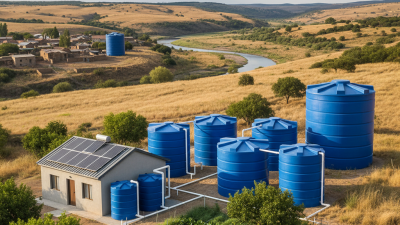
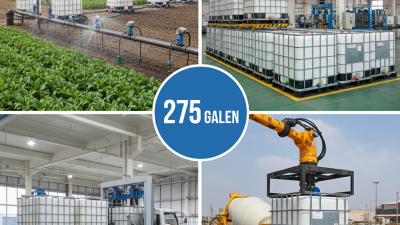
Choosing the right large water tank is crucial for various needs. Different situations call for distinct specifications. You might need it for agricultural purposes, residential use, or industrial applications. Each area has unique requirements.
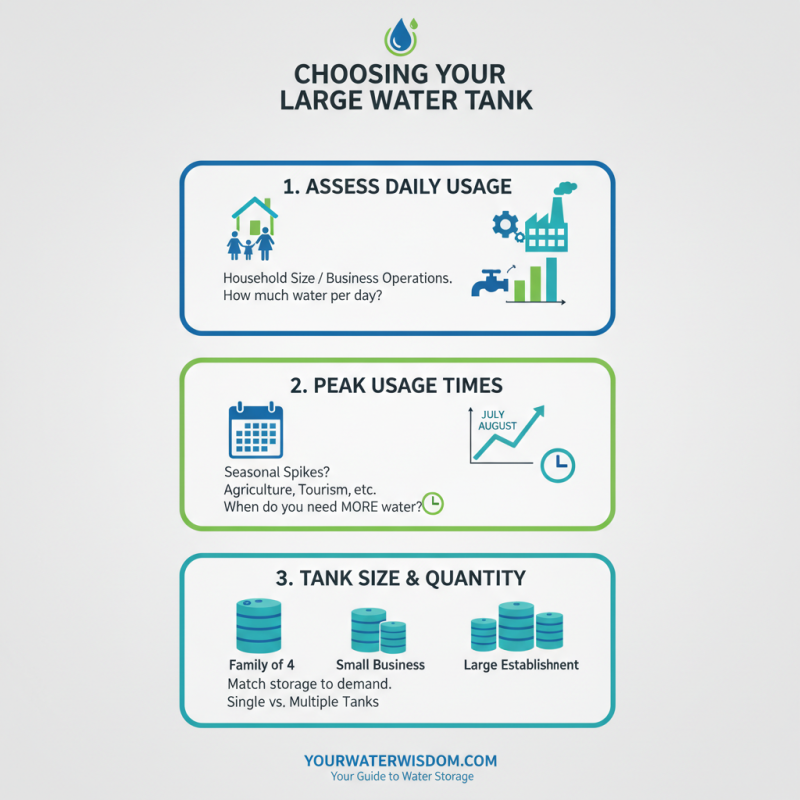
Consider the size and capacity of the large water tank. You should assess your daily water consumption and future needs. Available space may limit your options. It’s easy to overlook these factors, leading to inadequate storage or waste of resources.
Evaluate the materials used in the tank's construction. Some tanks are made of plastic, while others are metal. Each material comes with its pros and cons. Reflect on how these factors align with your situation. Choosing a large water tank is not just about size—it requires careful consideration.
Factors to Consider When Selecting a Large Water Tank
Choosing the right large water tank involves several important factors. First, consider the size of your property. The available space will limit your options. Think about how much water you need for daily use. A larger tank may seem ideal, but it requires more space. Reflect on your budget, too. Large tanks can be costly, and installation can add to that expense.
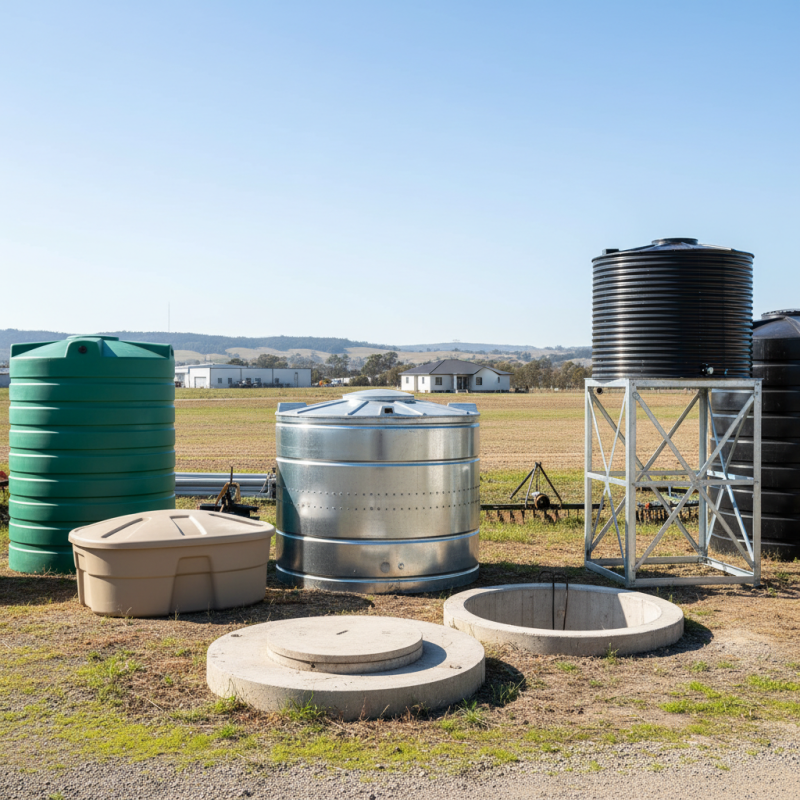
Next, evaluate the material of the tank. Common options include plastic, steel, and concrete. Each material has its pros and cons. Plastic tanks are lightweight, but they can be less durable. Steel tanks are sturdy but may require maintenance to prevent rust. Concrete tanks can last a long time but are heavy and more challenging to install. Ensure you factor in local climate conditions. Extreme temperatures can affect the integrity of the tank. Always consider the long-term implications of your choice.
Types of Large Water Tanks and Their Applications
When choosing a large water tank, understanding the different types is crucial. These tanks serve various applications across industries. For instance, a polyethylene tank is lightweight and resistant to corrosion. These tanks are ideal for residential and agricultural use. According to industry reports, more than 35% of agricultural water storage relies on these tanks.
Steel tanks, on the other hand, offer durability and higher capacity. They are often used for industrial applications. A report by the Water Research Foundation indicates that steel tanks can hold over 90,000 gallons. This size makes them suitable for municipal water systems. However, they require regular maintenance to prevent rust. Without proper care, their lifespan can significantly diminish.
Fiberglass tanks are another option worth considering. They resist chemical damage and are perfect for storing potable water. Yet, while they have low maintenance requirements, installation costs can be high. In some cases, the budget can be a restricting factor. Reflecting on the tank size needed is essential, as overestimating can lead to unnecessary costs. Each type has pros and cons that require careful evaluation for effective water management.
Water Tank Types and Their Capacities
Understanding Materials and Durability of Water Tanks
When selecting a large water tank, material choice plays a crucial role. Most tanks are made from plastic, fiberglass, or metal. Each material has strengths and weaknesses. For instance, polyethylene tanks are lightweight but may degrade under UV exposure. According to industry reports, they have a lifespan of about 5-10 years when exposed to sunlight. In contrast, stainless steel tanks offer exceptional durability, lasting over 20 years if properly maintained.
Durability also relies on proper installation and maintenance practices. Poor installation can lead to leaks or cracks, regardless of material. A report by the Water Research Foundation notes that up to 30% of water waste may stem from faulty storage systems. Regular inspections are essential. Assessing the tank for corrosion and damage can prevent long-term issues.
Choosing the right material is not always clear-cut. Some people overlook the effects of temperature variations. For instance, plastic tanks may become fragile in extreme cold. Meanwhile, metal tanks can become too hot in sunny conditions. Understanding these nuances is vital for effective water storage solutions.
Installation and Maintenance Tips for Large Water Tanks
Proper installation is the foundation for a large water tank's efficiency and longevity. Choose a level, stable ground. Ensure the surface can support the weight of a full tank. Avoid areas prone to flooding. Clear away debris, roots, or sharp objects that could damage the tank. A proper base can prevent future issues.
Routine maintenance is key. Regularly check for cracks or leaks. Look for signs of wear and tear. Cleaning the inside is essential to avoid sediment build-up. Some users forget this step, leading to long-term problems. It's wise to inspect connections and valves too. Replace any faulty components immediately. Neglecting these tasks can result in costly repairs later on.
Watch out for algae growth, especially in larger tanks. This can affect water quality. Use appropriate treatments, but ensure they are safe for your intended use. A well-maintained tank serves its purpose effectively. It’s best to plan maintenance checks at least twice a year to avoid surprises. A little attention goes a long way in ensuring your large water tank meets your needs.
How to Choose the Right Large Water Tank for Your Needs? - Installation and Maintenance Tips for Large Water Tanks
| Dimension |
Capacity (liters) |
Material |
Installation Type |
Maintenance Frequency |
| 150 cm x 150 cm x 200 cm |
4500 |
Polyethylene |
Above Ground |
Annually |
| 200 cm x 200 cm x 250 cm |
10000 |
Steel |
In Ground |
Biannually |
| 180 cm x 180 cm x 220 cm |
7300 |
Fiberglass |
Above Ground |
Quarterly |
| 220 cm x 220 cm x 300 cm |
12000 |
Concrete |
In Ground |
Annually |
| 250 cm x 250 cm x 350 cm |
20000 |
Plastic |
Above Ground |
Semi-Annually |