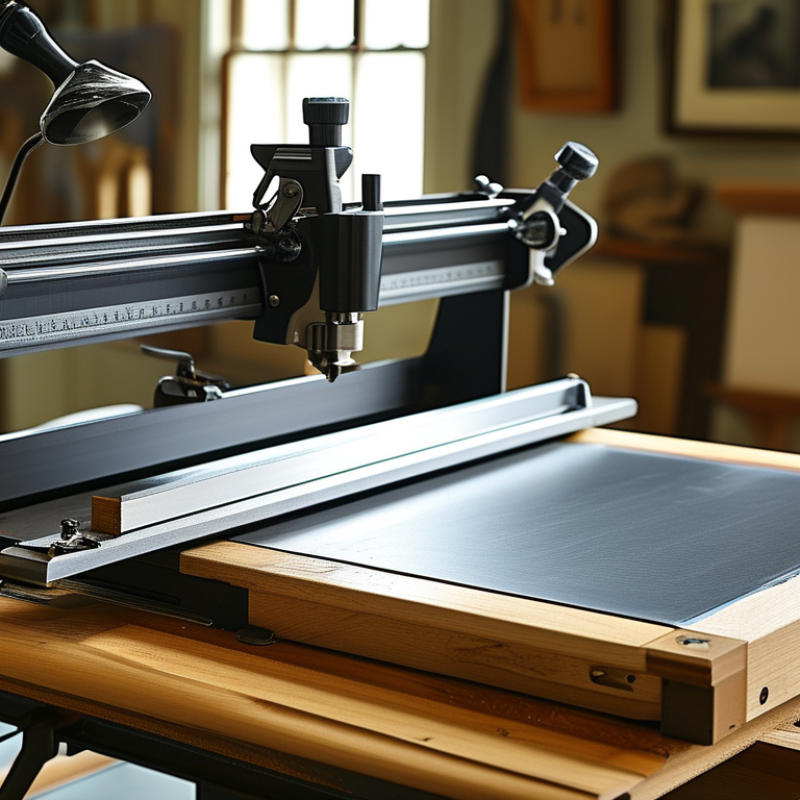
How to Choose the Best Sheet Cutting Machine for Your Needs?
Choosing the right Sheet Cutting Machine can be a challenge. Industry expert John Smith once stated, "Finding the best machine requires understanding your specific needs." This highlights the importance of a tailored approach. Sheet cutting machines vary in design, functionality, and price. An informed choice can improve production efficiency.
Many factors influence your decision. Consider the materials you will cut and the required precision. Machines differ in speed and ease of use. A machine that works well for one business may not suit another. Also, think about maintenance and support services offered by manufacturers.
It’s vital to research thoroughly. Read reviews and ask for recommendations. Explore various options to find your ideal fit. Investing time can lead to a highly effective sheet cutting machine. This choice significantly impacts your production process and financial outcomes.
Understanding the Different Types of Sheet Cutting Machines
When it comes to choosing a sheet cutting machine, understanding the different types available is crucial. Each machine is designed for specific tasks and materials. For example, die-cutting machines excel in precision and are ideal for intricate designs. They work well with various materials, including paper and plastic. Blade cutters are another option; they are more versatile and can handle thicker materials. Knowing the differences helps you make an informed decision.
Tips for choosing the right machine include considering your workflow. Assess the volume of materials you'll process. If you only need to cut occasionally, a manual machine might suffice. For larger projects, an automated cutter saves time and boosts productivity. Additionally, think about the types of materials. Some machines are not suitable for heavy or dense sheets.
Don’t overlook the importance of support and reliability. Check whether you have access to technical assistance if issues arise. Research user reviews to gauge performance. Remember, sometimes the cheapest option may not be the best in the long run. Investing in a reliable machine could save you headaches later.
Key Features to Consider When Selecting a Sheet Cutting Machine
When selecting a sheet cutting machine, understanding key features is crucial. One must consider the material type—whether it's paper, plastic, or metal. Each material requires different cutting techniques. For example, a study by the International Journal of Advanced Manufacturing Technology highlights that precision cutting for metal sheets improves production efficiency by up to 30%. This illustrates the importance of matching the machine to the specific materials.
Another important aspect is the cutting speed. A slower machine might seem cost-effective, but it can hinder productivity. Research by TechNavio indicates that machines with higher speeds contribute significantly to operational efficiency. Cutting accuracy is also vital; even minor inaccuracies can lead to significant waste. Users often overlook maintenance features. Machines with easy maintenance schedules ensure longevity and consistent performance.
One should also assess the size and adaptability of the machine. As needs change, so should the equipment. An inflexible machine can become a costly liability. While cost is a factor, investing in a quality machine can yield better returns. A poorly selected machine can drain resources over time. Thus, careful evaluation of these features is essential to avoid potential pitfalls.
Key Features to Consider When Selecting a Sheet Cutting Machine
Assessing Your Production Needs and Volume Requirements
When choosing a sheet cutting machine, understanding your production needs is essential. Start by assessing the materials you will cut. Different materials require distinct types of cutting speeds and techniques. For instance, thicker materials may need robust machines with higher power outputs. Meanwhile, lighter materials could be handled with less force.
Next, consider your volume requirements. High production demands necessitate machines that operate efficiently and quickly. If you expect large batch sizes, prioritize machines with automation features. These can significantly reduce labor costs and time. However, these advanced machines can be expensive, and it's vital to evaluate their long-term benefits versus initial costs carefully.
Don't overlook the importance of reliability and maintenance in your selection process. Machines that require frequent repairs will hinder your productivity. You might want to review user feedback and industry reports to gauge reliability. Finding the right balance between capabilities and budget is crucial. It's also beneficial to think about future growth. Your needs may evolve, and having equipment that can adapt is invaluable.
Evaluating Budget Constraints and Cost-Effectiveness
When evaluating budget constraints for a sheet cutting machine, it's essential to understand the total cost of ownership. A report from the Association of Manufacturing Technology indicates that operational costs often exceed initial purchase prices. This includes maintenance, energy consumption, and labor. Companies can save up to 30% by choosing machines that optimize these factors.
Consider the machine's efficiency. It's crucial to look for models that offer the best performance for the price. Performance can be measured in output speed and precision cutting capabilities. Machines that cut faster with less waste can save significant costs, contributing to long-term savings.
Tips: Always calculate the expected return on investment (ROI). Think about your production volume. A cheaper machine may end up costing more if it can't keep up. Additionally, explore the resale value of the equipment. Some machines retain value better, which can aid in future upgrades. Choose wisely to create a well-rounded budget that covers all aspects of ownership.
Researching Brand Reputation and Customer Reviews for Machines
When choosing a sheet cutting machine, researching brand reputation and customer reviews is crucial. The experiences of other users can provide valuable insights. Look for feedback on machine performance, reliability, and durability. Often, customers share specific details that can reveal potential issues or advantages.
Tips: Check multiple review sites for a broad perspective. Look for patterns in reviews to gauge consistent problems or praise. Gathering diverse opinions helps you make an informed decision.
Not all brands will meet your expectations. Some machines may have a higher failure rate than reported. Pay attention to both positive and negative critiques. This balance helps paint a clearer picture.
Another useful approach is joining industry forums or discussion groups. Here, you can ask questions and learn from others' experiences. Engaging with a community offers real-world insights that product descriptions may miss. Be open to constructive criticism. It can guide you toward a timely and satisfying choice.