Skip to content
Menu

How to Choose the Best Carbon Steel Pipe for Your Needs?

When it comes to selecting the best Carbon Steel Pipe, knowledge is key. Carbon steel pipes are widely used in various applications due to their strength and versatility. However, the choices can be overwhelming. Different grades and sizes exist, and each serves a unique purpose.

Understanding your specific needs is crucial. Consider factors like pressure ratings, temperature, and corrosion resistance. Many users overlook these details, which can lead to costly mistakes.

Choosing the right carbon steel pipe is more than just making a purchase. It's about ensuring safety and longevity in your projects. Quality matters. Do not settle for subpar products. The right choice can impact both performance and cost-effectiveness. A well-informed decision will save time and money in the long run.
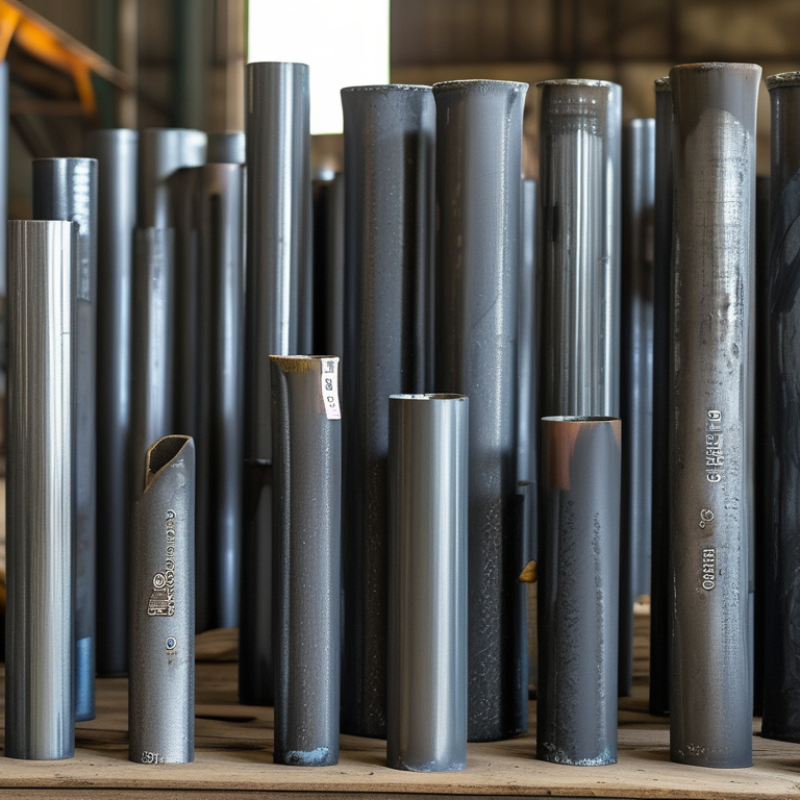
How to Choose the Best Carbon Steel Pipe for Your Needs?

Understanding Carbon Steel Pipe Properties and Grades

Understanding the properties and grades of carbon steel pipe is essential for making informed decisions. Carbon steel pipes come in various grades, each with unique characteristics. These grades are defined by their carbon content, which impacts strength, ductility, and weldability. Lower carbon content typically results in a more malleable pipe. Higher carbon content increases tensile strength but reduces ductility.

Additionally, the chemical composition of carbon steel affects its corrosion resistance. Some applications require pipes with enhanced resistance to rust and wear. Therefore, exploring the specific needs of your project becomes vital. Consider factors such as temperature, pressure, and the environment. This can lead to reflections on your choice. Are you opting for resilience or flexibility?

Selecting the right grade also involves understanding how the manufacturing process influences the pipe's quality. Seamless and welded varieties offer different benefits. Seamless pipes may provide better strength. However, welded pipes can be more cost-effective for certain applications. Balancing cost with performance is a common dilemma. Evaluating your priorities will guide you toward the best carbon steel pipe for your needs.

How to Choose the Best Carbon Steel Pipe for Your Needs?

Property/Grade Description Typical Applications Advantages Disadvantages
A106 Grade B Seamless carbon steel pipe for high-temperature service. Oil and gas pipelines, pressure vessels. Good high-temperature resistance. Limited to high-temperature applications.
A53 Grade B Black or hot-dipped galvanized seamless steel pipe. Structural steel applications, plumbing. Versatile and widely used. Corrosion concerns if not galvanized.
A500 Grade C Structural pipe suitable for welded or seamless applications. Building frames, poles, and fences. High strength and easy to weld. Not suitable for high-temperature service.
A106 Grade C Seamless carbon pipe for higher temperatures than Grade B. Power plants, chemical plants. Excellent high-temperature performance. Higher cost compared to lower grades.
A252 Grade 3 Pipe intended for piling applications. Foundation support, marine applications. High durability and impact resistance. Usually not used for other applications.

Identifying Your Specific Application Requirements for Carbon Steel Pipes

When selecting carbon steel pipes, it’s crucial to identify the specific requirements of your application. Consider factors like pressure ratings, temperature ranges, and corrosion resistance. These variables can significantly impact the performance and longevity of the pipes. For instance, high-pressure applications require pipes with thicker walls. Conversely, lower pressure applications can use lighter pipes without compromising integrity.

**Tips:** Always clarify the working conditions of your project. Understand how different environments, such as chemically aggressive settings, might affect the material choice.

Another factor is the size and length of the pipes needed. Precise dimensions ensure optimal flow and minimize energy loss. Custom sizes might be essential for unique applications, and this can increase lead times. Be prepared to consult with experts if your application has special requirements.

**Tips:** Don’t overlook the importance of quality standards. Pipes that meet certain industry benchmarks offer better reliability. Consider conducting regular inspections to spot degradation early.

Factors to Consider When Choosing the Diameter and Wall Thickness

Choosing the right carbon steel pipe requires careful consideration of diameter and wall thickness. The diameter affects the flow rate and pressure drop in applications. A larger diameter allows higher flow volumes. However, it may increase costs and weight. Smaller diameters can lead to efficiency but may restrict flow.

Wall thickness plays a crucial role too. Thicker walls provide better strength and durability. They can withstand higher pressures and temperatures. However, they also add weight and cost to the project. Striking a balance is key. An overly thick pipe might be unnecessary for low-pressure applications.

It's essential to consult industry standards and guidelines for specifications. Various factors influence these choices, including the type of fluid transported. Assess real-world scenarios and test data to inform your decision. Don't hesitate to reflect on past choices. Understanding what worked—and what didn’t—can guide future selections.

Comparing Different Carbon Steel Pipe Coating and Finishing Options

When selecting carbon steel pipes, understanding the coating and finishing options is crucial. This affects both durability and maintenance. Common coatings include galvanizing, epoxy, and powder coating. Each offers distinct benefits and limitations.

Galvanized pipes are coated with zinc. This protects against rust but can wear off over time. Epoxy coatings provide a strong, chemical-resistant barrier. However, they can become brittle with age. Powder coating is durable and provides a smooth finish. Yet, its application can be more expensive.

Consider the environment where pipes will be used. Corrosive environments may require more robust solutions. Additionally, think about long-term maintenance needs. While some coatings require less upkeep, others might need frequent inspection. Ultimately, choosing the right coating involves weighing these factors carefully.

Evaluating Supplier Reputation and Quality Assurance Practices

When selecting a carbon steel pipe, evaluating supplier reputation is crucial. A supplier with years of experience often showcases their expertise through consistent product quality. Look for reviews, testimonials, and industry recognition to gauge reliability. The way they handle customer service can also be telling. Quick responses to inquiries often indicate a professional approach.

Quality assurance practices are equally important. A supplier should have strict testing protocols in place. This includes material testing, dimensional checks, and pressure assessments. It’s beneficial to ask about their quality management systems. Certifications from recognized bodies can add to their credibility. Sometimes, suppliers may not have the latest certifications, but that doesn't always mean they offer subpar products. Understanding their manufacturing processes can give insight into the reliability of the pipes they produce.

Assessing these factors can be complex. Take your time to research each supplier carefully. Visit their facilities if possible, observe their operations, and engage in discussions. A knowledgeable supplier will be open to addressing your concerns. Trust is built over time, and a transparent dialogue is vital for a successful partnership.

Article Source: