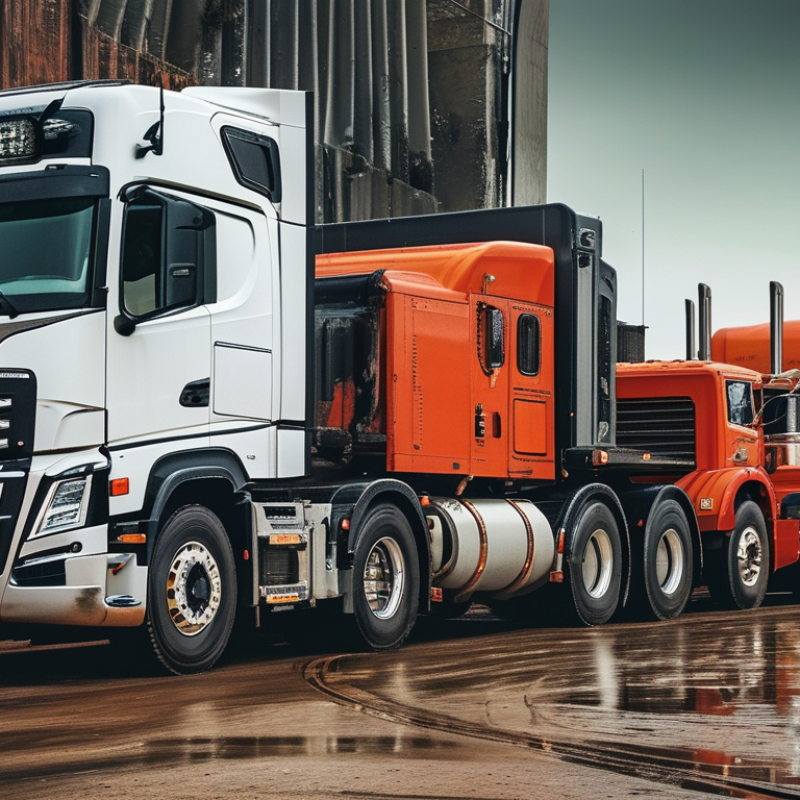
How to Choose the Best Heavy Duty Truck for Your Needs?
Choosing the best Heavy Duty Truck is a crucial decision for many businesses. With so many options available, it can be overwhelming. Each truck offers different capabilities and features. Some excel in towing capacity. Others shine in fuel efficiency.
Understanding your specific needs is essential. Are you hauling heavy loads regularly? Or do you require a truck for rough terrains? Evaluating your daily requirements can help narrow down your choices. Many people overlook important factors. Performance and reliability must be prioritized.
Expert opinions and user reviews can guide your decision. However, one must be cautious. Not all reviews reflect real-world performance. It's important to test drive several models. This firsthand experience can provide valuable insights. Ultimately, a Heavy Duty Truck should fit your business model well. Don't rush this decision. Each choice has significant long-term implications.
Factors to Consider When Choosing a Heavy Duty Truck
When choosing a heavy-duty truck, several crucial factors come into play. Weight capacity is paramount. Many models boast a Gross Vehicle Weight Rating (GVWR) of over 33,000 pounds, suitable for heavy loads. Knowing your maximum payload requirements helps narrow down options. Additionally, consider engine power. Trucks often range from 300 to 600 horsepower. A more powerful engine may be necessary for towing or transporting large equipment.
Fuel efficiency also demands attention. According to a study by the EPA, heavy-duty trucks average around 6 to 8 miles per gallon. Opting for a more efficient model can lead to significant savings over time. Regular maintenance is vital, too. Keeping a truck in top condition can prolong its lifespan, which is often around 15 years or 500,000 miles with proper care.
Don’t overlook the vehicle's technology features. Advanced safety systems, like automatic braking and lane departure warnings, can be game-changers. A report from the National Highway Traffic Safety Administration notes that safety features can reduce accident rates by nearly 30%. Each aspect, from fuel economy to safety, should align with your operational needs to ensure the right choice.
Determining Your Specific Transportation Needs and Requirements
When choosing a heavy-duty truck, understanding your specific transportation needs is crucial. Consider the types of loads you'll be carrying. Will you transport construction materials or agricultural goods? Each type of cargo has unique requirements. This can determine the size, capacity, and features you need in a truck.
Tips: Identify your maximum load weight. Measure the dimensions of your cargo. This will help you select a vehicle with adequate space and payload capacity.
Terrain is another vital factor. Will you drive on highways, rough roads, or both? Heavy-duty trucks perform differently based on the environment. If you operate in rugged terrains, look for durable tires and superior suspension systems.
Tips: Test-drive a few models in different conditions. Take notes on handling and comfort. This hands-on experience can highlight aspects you might overlook.
Fuel efficiency also matters over time. A truck with good mileage can reduce overall operating costs. However, powerful engines often compromise this. It’s an essential balance to reflect upon for your budget.
Tips: Calculate potential fuel costs based on your usage. Compare this against the truck's towing capacity and horsepower. Understanding these trade-offs will guide your choice effectively.
Evaluating Engine Power and Performance Specifications
When selecting a heavy-duty truck, evaluating engine power and performance specifications is crucial. Understanding the difference between torque and horsepower can significantly impact your choice. Torque is the pulling power, while horsepower indicates how quickly that power can be applied. For instance, trucks with high torque are best for hauling heavy loads. Reports from the American Trucking Association show that trucks with at least 1,000 lb-ft of torque perform better in towing situations.
Engine specifications may also include displacement and fuel type. Diesel engines generally provide better fuel efficiency and longevity. A recent study indicated that diesel engines offer up to 25% more fuel efficiency compared to gasoline engines, making them a preferred choice for heavy-duty trucking. However, diesel engines often come with higher upfront costs and maintenance needs, which can lead to long-term considerations.
Drivers should also assess their actual usage needs. It's common to underestimate or overestimate required power. Some may choose vehicles with more power than necessary, incurring extra costs. Others may not select enough power for their tasks, leading to performance issues and increased wear. Real-world driving conditions, load frequencies, and terrain types should factor into this decision. Balancing these elements can lead to a more appropriate selection for your specific requirements.
Understanding Payload Capacity and Towing Capabilities
When choosing a heavy-duty truck, understanding payload capacity and towing capabilities is essential. Payload capacity refers to how much weight a truck can safely carry in its bed. For example, many heavy-duty trucks offer payload ratings ranging from 2,500 to 7,500 pounds. Making the right choice requires knowing your specific needs. For construction jobs, you might need a higher payload. For towing trailers, this factor matters even more.
Towing capabilities depend on the vehicle's engine strength, transmission, and design. Reports show that some models can tow between 10,000 and 40,000 pounds. Heavier loads typically require a vehicle with a stronger frame and a robust braking system. Consider the trailer's weight and its contents. The Gross Combined Weight Rating (GCWR) helps ensure safety during operations. It's vital to account for all factors, including the load you will be towing and the vehicle's weight.
While specifications provide insights, personal experience enhances selection. Different terrains and driving conditions impact performance. Test drives offer valuable feedback. It’s common for users to find discrepancies between rated and real-world capabilities. Understanding these nuances is crucial to making an informed decision. This ensures you choose a truck that meets your expectations and practical requirements.
How to Choose the Best Heavy Duty Truck for Your Needs?
| Truck Model | Payload Capacity (lbs) | Towing Capacity (lbs) | Engine Type | Fuel Efficiency (mpg) |
| Model A | 3,200 | 12,000 | Diesel V8 | 15 |
| Model B | 4,000 | 14,500 | Gasoline V8 | 16 |
| Model C | 3,800 | 10,000 | Turbo Diesel | 14 |
| Model D | 4,500 | 16,000 | Supercharged V8 | 17 |
Analyzing Maintenance Costs and Reliability Ratings
When selecting a heavy-duty truck, maintenance costs and reliability ratings are crucial factors. According to a study by the American Transportation Research Institute, maintenance can account for up to 10% of a truck's total operating cost. This statistic reveals the financial impact of neglecting routine care. With proper maintenance, the chances of unexpected breakdowns decline significantly, promoting higher efficiency.
Reliability ratings, assessed through various industry reports, are essential in gauging a truck's long-term performance. A vehicle with high reliability can save operators substantial money across its lifespan. The same research indicates that reliable trucks can operate for over 15% longer before requiring significant repairs, reducing downtime. Such insights make purchasing decisions clearer yet highlight the necessity for reflection; a lower initial cost does not always mean a good value in the long run.
While high reliability is desirable, the reality remains that some trucks may not perform as expected in real-world conditions. Diverse terrains and load conditions can influence their durability. Consider feedback from current users, as their experiences reveal varied performance levels not captured in static ratings. Balance these insights with maintenance needs to ensure the best fit for your operations.