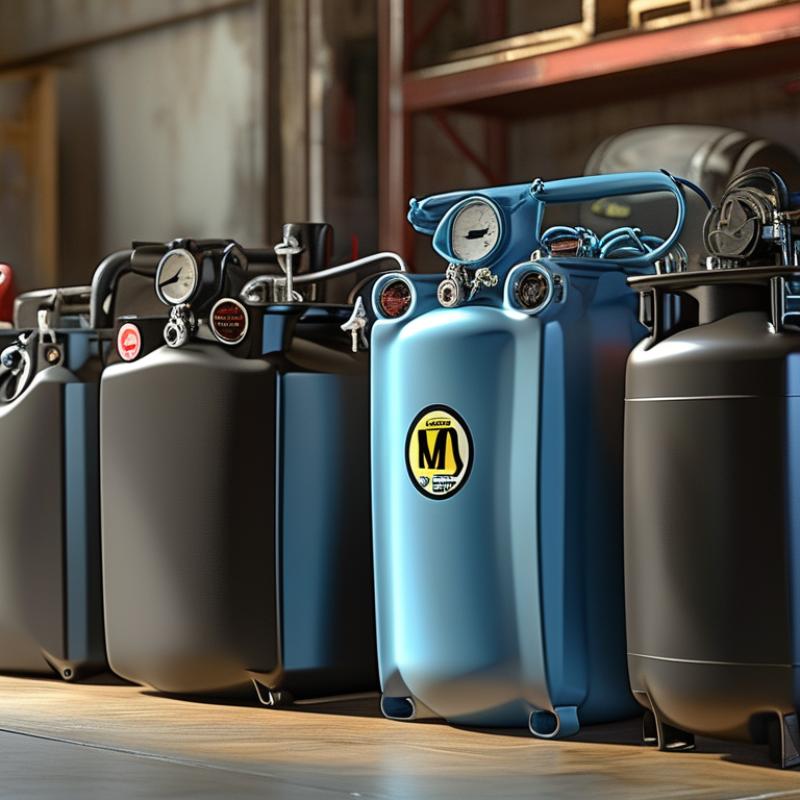
How to Choose the Right Air Compressor Tank for Your Needs?
Choosing the right Air Compressor Tank is essential for both professionals and hobbyists. The tank size affects performance, efficiency, and the quality of your projects. A well-selected tank can enhance your air compressor's functionality.
When considering an Air Compressor Tank, various factors come into play. These include the intended use, required pressure, and airflow needs. A larger tank can store more air, providing longer run times. However, it may be bulkier and harder to maneuver. Users often overlook these aspects, leading to frustration.
Understanding your specific requirements is crucial. It reduces unnecessary expenses and improves productivity. Not all tanks are created equal. Some may require maintenance or have limitations. Thus, evaluating brands and models can lead to wiser decisions. Learning from past mistakes can guide you to a better choice.
Understanding the Basics of Air Compressor Tanks
Choosing the right air compressor tank begins with understanding its fundamentals. Air compressor tanks store compressed air for various tools and applications. These tanks come in different sizes and types, each serving specific purposes. A smaller tank may suffice for a nail gun, while larger machines require more extensive storage.
When selecting a tank, consider capacity. A larger tank holds more air but can be harder to transport. Smaller tanks are more portable but may need frequent refilling. Consider your projects and frequency of use. A tank that meets your demand is crucial for efficiency.
Another aspect is pressure ratings. This determines how much force the air can exert. Always check if your tools match the tank's capabilities. A mismatch may lead to underperformance or damage.
Balancing portability, capacity, and pressure can feel overwhelming. Many make choices based on trends instead of specific needs. Taking the time to reflect on these factors ensures you choose wisely.
Different Types of Air Compressor Tanks and Their Features
When selecting an air compressor tank, understanding the different types available is crucial. Air compressor tanks come in several formats—vertical, horizontal, and portable. Each type serves unique functions. For instance, vertical tanks are often preferred for their space-saving design, making them ideal for small workshops or garages. Horizontal tanks typically offer more stability and can hold greater volumes, which is beneficial for larger operations.
Data from industry reports show that a significant percentage of users prioritize tank capacity. Tanks ranging from 20 to 80 gallons are common in residential settings, while industrial applications may use tanks exceeding 100 gallons. The choice between these sizes greatly affects performance, as a larger tank tends to provide a more consistent air supply for demanding tasks.
When choosing a tank, consider how you plan to use the compressor. Will it be for painting, inflating, or powering tools? Each application may require different tank specifications. Evaluate your long-term needs carefully.
Choosing a tank that is too small can lead to inefficiencies and frequent cycling. Conversely, a tank that is too large may take up unnecessary space. Always think about both immediate and future needs when making your selection. By aligning your tank choice with your specific air pressure needs, you can avoid common pitfalls that lead to frustration and decreased productivity.
Factors to Consider When Choosing an Air Compressor Tank
Choosing the right air compressor tank requires careful consideration of several factors. The tank size is crucial. A larger tank holds more air, allowing for longer tool usage without constant refills. However, a bulky tank might be cumbersome and hard to transport. Think about your needs. For occasional home projects, a smaller tank may suffice. For professional use, a larger tank might be necessary.
Pressure rating is another vital aspect. Different tools require different psi (pounds per square inch). Make sure the tank can meet the demands of your most-used tools. Additionally, consider the material of the tank. Steel tanks are durable, while aluminum tanks are lighter and easier to move. Each has its pros and cons based on your usage and environment.
Also, reflect on portability and storage. If space is limited, a vertical tank might be a better fit. On the other hand, horizontal tanks are often easier to access. Remember, the wrong choice could lead to frustration during projects. Balancing these factors can create a more efficient workflow. Take time to assess your requirements for optimal performance.
Factors to Consider When Choosing an Air Compressor Tank
Sizing Your Air Compressor Tank for Optimal Performance
Choosing the right air compressor tank is crucial for maximizing efficiency. Sizing significantly impacts performance. A tank that is too small may constantly run out of air. Conversely, an oversized tank can waste energy. The optimal size usually depends on the specific application and tools used.
For instance, a continuous use application like spray painting may require a 30-gallon tank for consistent pressure. According to industry reports, a tank size between 4 to 6 CFM (cubic feet per minute) is suitable for most pneumatic tools. This range helps ensure a steady stream of air without interruptions. Sizing also affects recovery time, which is essential for long tasks.
Consideration of physical space is also important. A smaller tank may fit in tight workshops but may lead to inefficiencies. Weighing the pros and cons of tank size against available space can prevent future headaches. Additionally, it's important to assess your air demand accurately. Estimating your needs can be challenging. Gathering data from similar projects or consulting a professional can yield better results.
Maintenance Tips for Prolonging the Life of Your Air Compressor Tank
Regular maintenance is crucial for extending the lifespan of your air compressor tank. Begin with a consistent inspection schedule. Check for rust, leaks, and cracks. Addressing these issues early can prevent costly repairs later. Clean the tank interior to avoid contamination from moisture and debris. Water buildup can lead to corrosion, impacting efficiency and longevity.
Additionally, ensure the safety valve is functioning properly. This prevents excess pressure buildup, which can be dangerous. Drain the tank regularly to eliminate any accumulated moisture. Consider using a water trap or filter to reduce moisture entering the tank. Maintain the compressor's environment as well; it should be in a dry, cool location to minimize wear.
Time spent on maintenance might feel less productive. Yet, it can save both time and money over the long run. Every small task contributes to your tank's health. Monitor performance and listen for unusual noises; changes can signal underlying problems. A proactive approach to maintenance allows for smoother operations and a longer lifespan for your equipment.
How to Choose the Right Air Compressor Tank for Your Needs? - Maintenance Tips for Prolonging the Life of Your Air Compressor Tank
| Dimension | Description | Recommendation |
| Tank Size | Measured in gallons, choose based on air consumption needs. | Consider 2-6 gallons for small tasks, 10-30 gallons for moderate use. |
| Material | Common materials are steel and aluminum; steel is more durable. | Choose steel for heavy duty, aluminum for portability. |
| Pressure Rating | Indicates maximum pressure output of the tank. | Ensure matching with tools used, usually 90-120 PSI. |
| Portability | Consider weight and design for easy transport. | Look for wheels or carry handles for convenience. |
| Maintenance Requirements | Regular checks on oil levels, filters, and drainage. | Follow a maintenance schedule to prolong tank life. |