Choosing the right liquid tank for global sourcing requires more than comparing prices and capacity. A tank may hold 10,000 liters, yet still fail at the loading dock. Its dimensions, discharge fittings, and empty weight must suit transport equipment, warehouse space, and local handling systems. Small mismatches can create expensive delays.
Material compatibility is equally important. Stainless steel 316L may suit many food and pharmaceutical applications, while other liquids require specialized linings or certified plastics. The gasket material deserves attention too. A weak seal can leak during a rough sea voyage. Tank pressure ratings, cleaning access, insulation, valves, and temperature limits should match the actual product and operating environment. Never rely only on a supplier’s product photograph.
Reliable sourcing depends on verified evidence. Request drawings, test reports, material certificates, inspection records, and clear maintenance instructions. Confirm whether the supplier follows recognized quality systems and whether the tank meets destination-country transport, safety, and environmental requirements. Independent pre-shipment inspection can reveal scratched surfaces, incorrect valve sizes, or missing labels before the container leaves the factory. It is not perfect, but it reduces avoidable risk.
Cost still matters. However, the cheapest liquid tank may become the most expensive after leakage, cleaning, demurrage, or rejected cargo. Consider total ownership cost, spare parts availability, delivery reliability, and technical support. Ask practical questions: Can the tank pass through the warehouse door? Can workers drain it safely? Will replacement seals arrive quickly? Good decisions come from measurable requirements, careful verification, and honest recognition of uncertainty.
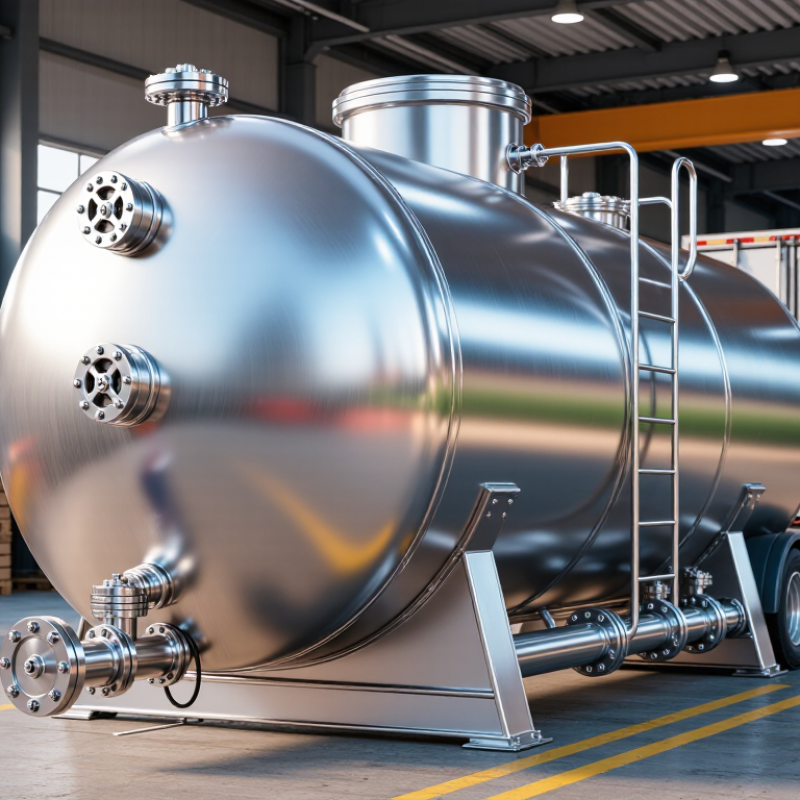
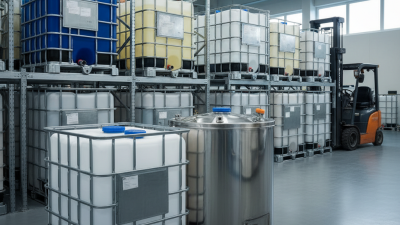
Choosing a liquid tank for global sourcing starts with understanding the liquid, not the supplier. Rigid plastic tanks suit water-based products and moderate shipping volumes. Stainless steel tanks handle repeated use, cleaning, and demanding temperature conditions. Flexible tanks can reduce empty-return costs, but they need careful loading and warehouse protection. Insulated or agitated tanks support liquids that require stable temperatures or consistent mixing.
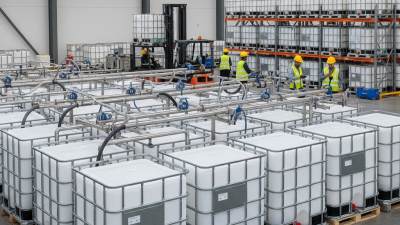
Global sourcing adds practical concerns. Check capacity, valve design, wall thickness, and compatibility with the liquid. A tank may pass factory inspection yet fail during ocean transport. Ask for material certificates, pressure or leak-test records, cleaning procedures, and dimensional drawings. Confirm port handling limits and local import requirements before placing an order. I have found that total cost is often underestimated. Freight, storage, maintenance, and disposal can change the decision. The cheapest tank is not always the most reliable choice.
Tips: Match the tank to one specific application first. Request a filled-load simulation when possible. Compare three landed-cost scenarios. Inspect sample fittings personally. Leave room for human error. A clear inspection checklist, dated photographs, and agreed acceptance criteria can prevent small defects from becoming expensive delays.
How to Choose the Right Liquid Tank for Global Sourcing?
Defining Capacity, Material, and Performance Requirements
Choosing a liquid tank starts with the product, not the catalog photo. Identify the working volume, maximum volume, and expected filling frequency. A tank rated at 1,000 liters may hold less during safe operation. Leave practical headspace for expansion, mixing, and transport movement. A 10% allowance is common, but temperature and liquid behavior may require more. I have seen projects fail because capacity was measured only at room temperature.
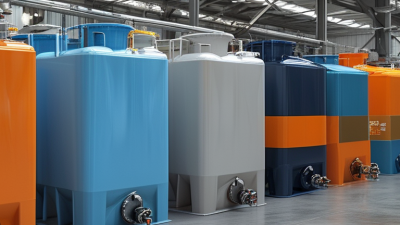
Material selection should match the liquid’s chemistry and operating environment. Stainless steel can support demanding applications, while polyethylene may suit lighter chemical or water-based storage. Check compatibility charts, wall thickness, weld quality, seals, and fittings together. One material choice cannot solve every performance problem. Consider ultraviolet exposure, freezing conditions, cleaning agents, and repeated loading. These details often change the real cost.
Tips: Ask suppliers for test data, drawings, and inspection records. Confirm whether dimensions include valves and frames. Request samples of wetted materials when compatibility is uncertain. Define discharge speed, pressure limits, temperature range, and cleaning method before requesting quotations. For international sourcing, verify packing dimensions, lifting points, documentation, and destination standards. A cheaper tank may create higher handling costs. Recheck every assumption.
How to Choose the Right Liquid Tank for Global Sourcing?
A suitable liquid tank must meet compliance, safety, and route requirements. UNCTAD’s Review of Maritime Transport 2024 reports that over 80% of global merchandise trade by volume moves by sea. This makes maritime compatibility essential. For tank containers, check ISO 1496-3 specifications, CSC certification, inspection dates, and approved lifting points. The IMDG Code may also apply when transporting regulated liquids by vessel. Requirements can differ between the loading and receiving countries.
Safety begins with the liquid, not the tank’s appearance. Confirm chemical compatibility, pressure ratings, temperature limits, grounding provisions, and pressure-relief protection. Food liquids need hygienic materials and cleaning records. Industrial liquids may require stronger seals and specialized linings. The World Shipping Council reported 576 containers lost at sea in 2023. Tanks are not exempt from rough handling or securing failures. No checklist is perfect. A complete certificate package can still miss a route-specific requirement.
Tips: Ask for test reports, material certificates, valve drawings, and recent inspection records. Compare the tank with the carrier’s handling rules. Confirm fill limits for thermal expansion. Photograph valves before dispatch. Keep emergency instructions with the shipping documents. Do not rely on supplier claims alone. An independent inspection is often cheaper than one delayed shipment. Recheck destination-country rules before ordering, because standards and enforcement can change.
| Tank Solution | Typical Working Capacity | Best-Suited Cargo | Hazardous Goods Suitability | Primary Compliance and Transport References | Key Safety Controls | International Transport Modes | Global Sourcing Checkpoints |
|---|---|---|---|---|---|---|---|
| Rigid Plastic IBC | Approximately 500–1,500 litres | Water-based chemicals, detergents, lubricants, agricultural liquids, non-hazardous industrial fluids, and some food ingredients. | Limited to the specific UN-certified design and the approved packing group or substance list. Not every plastic IBC is suitable for dangerous goods. | UN Recommendations ADR RID IMDG Code UN-marked designs commonly include composite IBC codes such as 31HA1, subject to certification details and local regulations. | Confirm chemical compatibility, UN mark, pressure and leak testing, closure integrity, pallet condition, grounding requirements, and protection from excessive heat or ultraviolet exposure. | Road, rail, sea, and limited multimodal transport when correctly secured and documented. | Verify the complete UN marking, test date, capacity, valve type, gasket material, stacking rating, certificate, and whether the container is new, reconditioned, or used. |
| Steel IBC | Approximately 500–1,500 litres | Solvents, oils, paints, flammable liquids, corrosive liquids, and higher-temperature industrial products when the design is approved. | Suitable only when the exact tank design, material, closure system, and UN certification match the cargo classification and packing group. | UN Recommendations ADR RID IMDG Code Applicable fire, hazardous-material, and workplace rules also depend on the loading and destination countries. | Control static electricity, ignition sources, corrosion, overpressure, grounding and bonding, venting, valve protection, and compatibility between the product and tank lining. | Road, rail, sea, and multimodal freight; air transport is generally impractical for this equipment and cargo category. | Request material certificates, coating or lining specifications, pressure-test records, grounding provisions, repair history, and dangerous-goods documentation. |
| Single-Use Flexitank | Commonly 16,000–26,000 litres inside a 20-foot dry container | Non-hazardous liquids such as edible oils, syrups, juices, wine, latex, liquid fertilizers, and selected industrial liquids. | Generally not intended for dangerous goods, flammable liquids, or liquids requiring a pressure vessel. Confirm acceptance with the carrier and destination authorities. | Container CSC Requirements Carrier Rules Food-Contact Rules Flexitank specifications may reference PAS 1008:2018 or equivalent industry requirements. Food applications may require applicable EU, United States, or destination-country food-contact compliance. | Use only an approved container condition, verify floor and door suitability, install bulkhead protection, control filling volume and temperature, inspect fittings, and manage residual pressure during unloading. | Primarily ocean freight in a 20-foot dry container, followed by road or rail transport. | Confirm liquid density, viscosity, expansion characteristics, loading temperature, fitting location, maximum fill level, insurance coverage, disposal method, and compatibility with the container operator. |
| Portable Tank | Approximately 10,000–26,000 litres, depending on design | Bulk chemicals, food-grade liquids, gases in applicable tank designs, and other products requiring a durable, reusable intermodal tank. | Available for many dangerous goods, but the tank instruction, test pressure, relief system, material, and authorization must match the substance and packing group. | UN Portable Tank Instructions IMDG Code ADR RID CSC Design and inspection requirements vary by tank instruction and cargo. | Confirm periodic and intermediate inspections, pressure-relief devices, emergency shut-off arrangements, grounding, valve protection, shell condition, and correct placarding and marks. | Ocean, road, rail, and multimodal transport; suitability depends on route regulations and carrier acceptance. | Match the tank instruction to the UN number, packing group, and required test pressure. Check inspection dates, tare and gross mass, owner documentation, and cleaning certificates. |
| ISO Tank Container | Commonly 20,000–26,000 litres | Bulk food liquids, chemicals, oils, beverages, and other liquids requiring repeated international movement in a standardized frame. | Suitable for hazardous or non-hazardous cargo when the exact tank, fittings, lining, and certification are appropriate for the product. | ISO 1496-3 CSC IMDG Code ADR RID ISO 1496-3 addresses series 1 freight containers for tank containers. Dangerous-goods requirements remain cargo-specific. | Control pressure, temperature, thermal expansion, filling ratio, compatibility, grounding, valve protection, loading limits, and cleaning between different products. | Ocean, road, rail, and multimodal transport using container terminals and standard intermodal equipment. | Review the tank plate, CSC plate, test certificates, shell and lining material, heating or cooling system, discharge arrangement, gross mass, cleaning status, and terminal handling restrictions. |
| Road Tanker | Approximately 10,000–40,000 litres, subject to axle and route limits | Domestic or regional bulk distribution of fuels, chemicals, milk, edible oils, water, and other liquids. | Commonly used for dangerous goods when the vehicle, tank, driver, route, and operating procedures comply with applicable regulations. | ADR Local Road Rules Cargo-Specific UN Rules ADR applies to international carriage of dangerous goods by road in participating European countries; other regions may apply different rules. | Use verified loading procedures, overfill prevention, emergency shut-off systems, grounding, rollover protection, compartment separation, route controls, and trained drivers. | Road transport; may connect with ports, rail terminals, or warehouses for broader multimodal logistics. | Check axle limits, compartment configuration, tank inspection status, hose and coupling standards, driver qualifications, insurance, unloading facilities, and cross-border permits. |
| Aseptic or Thermal Food Tank | Approximately 5,000–30,000 litres, depending on use | Dairy products, fruit concentrates, beverages, edible oils, sauces, and temperature-sensitive food liquids. | Normally used for non-dangerous food liquids. Flammable or hazardous products require a separately approved tank design. | HACCP-Based Controls Food-Contact Requirements ATP Where Applicable Carrier Rules Food-contact compliance is determined by the destination market and product category; transport rules also depend on the mode. | Validate hygienic design, clean-in-place capability, temperature recording, sterile connections where required, seal integrity, allergen controls, and validated cleaning procedures. | Road, sea, rail, and multimodal transport when the tank and temperature control system are accepted by the carrier. | Request food-contact declarations, cleaning validation, microbiological controls, thermal performance data, temperature logs, product-residue procedures, and traceability records. |
Note: Capacity figures are typical market ranges rather than universal limits. Final selection must be based on the liquid’s UN number, packing group, density, viscosity, flash point, temperature, pressure, food-contact status, route, destination-country rules, and carrier acceptance.
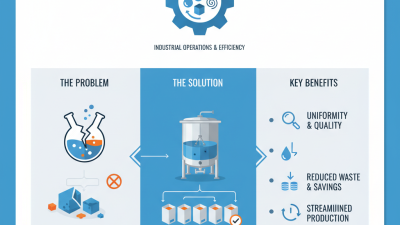
Choosing the right liquid tank for global sourcing requires more than comparing quoted prices. Supplier capability, landed cost, lead time, and customization must be reviewed together.
Ask each supplier for material grades, welding procedures, pressure ratings, inspection records, and recent production photos. A reliable supplier should explain how tanks are tested before shipment. Request a sample drawing with dimensions, inlet positions, outlet fittings, insulation thickness, and cleaning access. Details matter. Compare equivalent specifications, not attractive numbers.
Calculate the full landed cost, including packaging, freight, duties, installation, spare parts, and possible currency changes. A lower factory price may become expensive after port delays or special handling. Lead times also need careful checking. Separate design approval, raw material purchasing, fabrication, inspection, and shipping. Ask which stage creates the largest delay. Sometimes, suppliers quote only manufacturing time.
Customization can improve performance, but every modification adds risk. Confirm whether the supplier has produced similar capacities, connections, heating systems, or internal coatings. Review drawings with your technical team before paying a deposit. Our first comparison looked tidy, but it ignored unloading equipment at the destination. That mistake changed the budget. Do not repeat it. A practical supplier should offer clear change-control records, consistent communication, and realistic delivery dates, even when the answer is inconvenient.
The chart compares common sourcing routes using normalized planning indicators. A lower cost index and shorter lead time generally improve procurement efficiency, while a higher customization score indicates greater flexibility for capacity, fittings, insulation, agitation, and compliance requirements. Final figures should be confirmed through supplier quotations and technical specifications.
Choosing the right liquid tank for global sourcing begins with a careful quality inspection. A tank designed for water may fail with oils, chemicals, or aggressive cleaning agents. Confirm the material, wall thickness, capacity, valve design, and gasket compatibility. Request material certificates and engineering drawings before approving production. Inspect welds for cracks, rough edges, and uneven finishing. Check the outlet closely, because poor threading often causes leaks. Small details matter.
Testing samples reveals problems that documents cannot show. Ask for a production sample, not a specially prepared display unit. Fill it with the intended liquid and monitor leakage, deformation, odor, and discoloration. Measure the tank after several hours. If possible, request pressure, drop, and temperature tests from an independent laboratory. The sample should match the proposed production material and construction. Do not rely on photographs alone. They can hide weak welds and thin corners. Test the awkward parts.
Finalizing the purchase requires clear, written specifications. Include dimensions, tolerance limits, material grades, accessories, packaging, inspection methods, and replacement responsibilities. Approve a sealed sample and compare future production against it. Use a third-party inspection before shipment, especially for large orders. I once accepted a supplier’s test report without checking the testing method. The report looked complete, but its conditions differed from actual use. That oversight changed my inspection process. Leave room for doubt. A slower approval can prevent expensive replacements, damaged cargo, and avoidable delays.