How to Choose the Right Open Top Tank for Your Needs?
Choosing the right open top tank can significantly impact your operations. According to industry reports, the demand for open top tanks in manufacturing has surged by 25% over the past three years. These tanks are essential for various applications, including water treatment, chemical storage, and food processing.
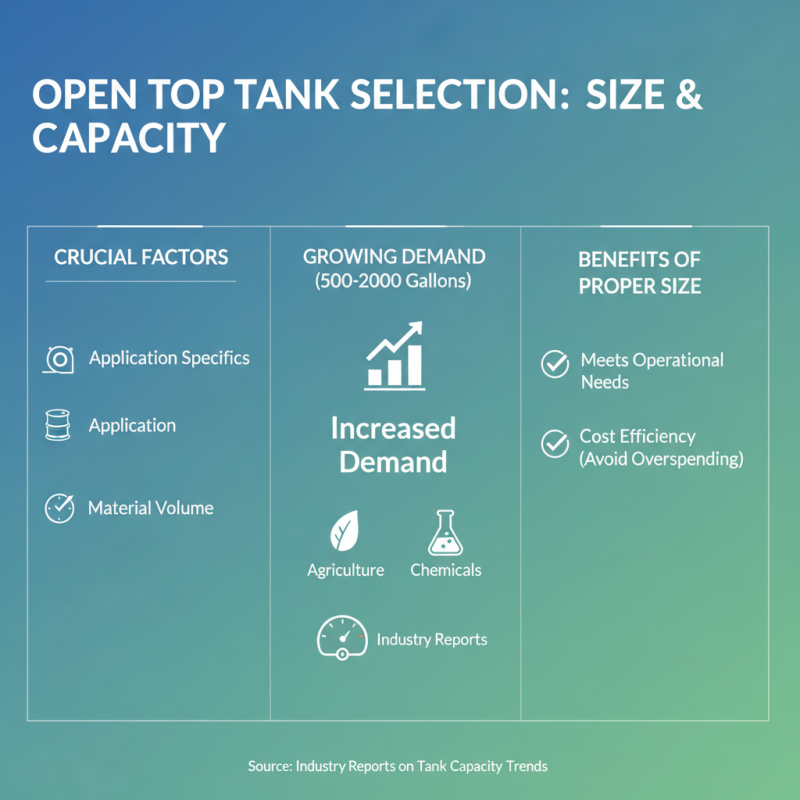
When selecting an open top tank, consider size, material, and purpose. It's critical to match the tank's capacity with your needs. A tank too small may lead to spills and inefficiencies. Conversely, a tank that's too large can incur unnecessary costs.
Some companies overlook the importance of certifications like ISO and CE. These certifications ensure the tanks meet industry standards. Neglecting this can lead to inadequate safety measures and operational challenges. As you explore your options, think about the long-term benefits of well-sourced open top tanks. Mistakes in this selection process can be costly. Reflect on how choosing the right tank could enhance workflow while ensuring compliance.
Understanding the Basics of Open Top Tanks and Their Uses
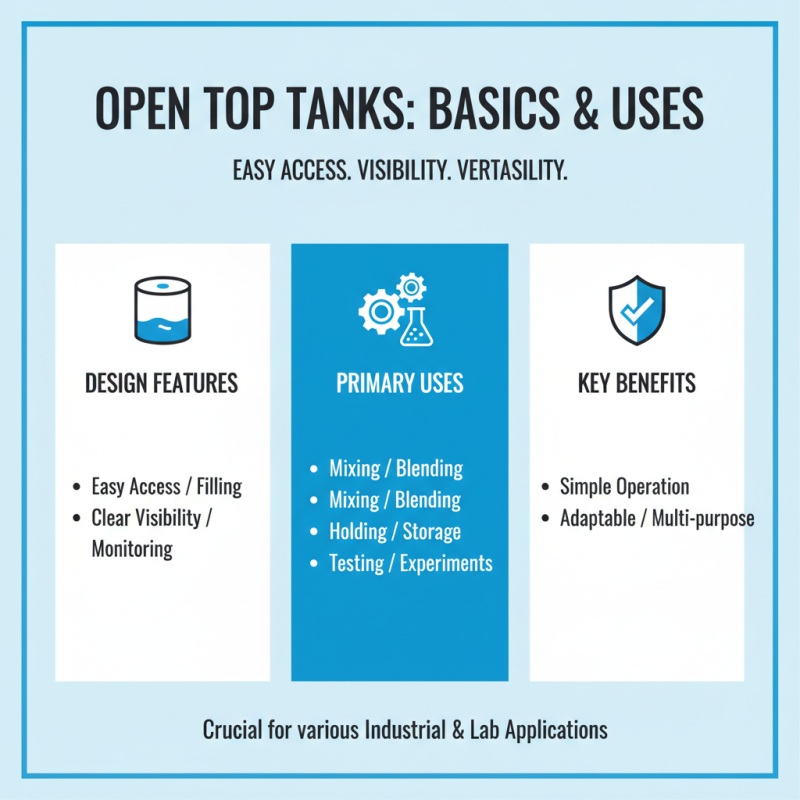
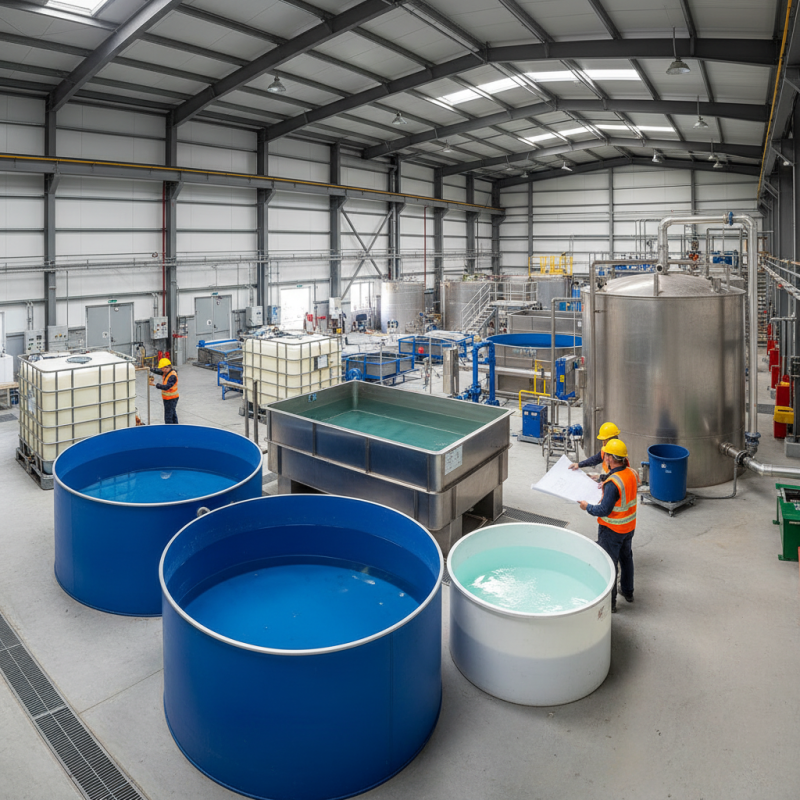
Open top tanks serve various purposes in industries and laboratories. These tanks are designed for easy access and visibility. Users often find them useful for applications like mixing, holding, and testing. Understanding their basic features is crucial before making a choice.
When selecting an open top tank, consider the material. Tanks can be made of metal or plastic. Each material has its pros and cons. For instance, metal offers durability. However, it may corrode over time. Plastic, on the other hand, is resistant to chemicals but might not withstand high temperatures.
Tips for choosing the right tank:
- Assess the volume you need.
- Think about weight limits if you plan to transport it.
- Check for compatibility with the substances you'll use.
Open top tanks often require regular maintenance. Over time, users may notice wear and tear. Ignoring these signs can lead to larger issues. A minor leak today could become a bigger problem tomorrow. Regular inspections help keep your tank in top shape.
Evaluating Your Specific Needs for an Open Top Tank
Choosing the right open top tank starts with understanding your unique requirements. Think about what materials you will need to store. Certain liquids require specialized tanks. Is your tank for water, chemicals, or fuel? Make a list of your specific needs. This clarity will guide your selection process.
Next, consider the size and space you have available. An open top tank must fit your environment. Measure the area where you plan to place it. Think about accessibility for filling and maintenance. A too-large tank can be cumbersome, while a small one might not meet your needs. Ensure there’s enough room for operation and safety.
Lastly, reflect on the durability of the tank. Different materials offer various strengths and weaknesses. Research what suits your needs best. Sometimes, the most durable option isn’t the best fit for your purposes. Weigh the pros and cons carefully. A well-chosen tank can enhance efficiency, while a poor choice can lead to frustration.
How to Choose the Right Open Top Tank for Your Needs?
| Dimension |
Material |
Capacity (Liters) |
Usage Type |
Key Features |
| 100x50x50 cm |
Polyethylene |
250 |
Aquatic Life |
UV Resistant, Lightweight |
| 120x60x60 cm |
Fiberglass |
432 |
Research & Development |
Chemical Resistant, Durable |
| 150x75x75 cm |
Stainless Steel |
843 |
Industrial Use |
Corrosion Resistant, High Strength |
| 80x40x40 cm |
Polypropylene |
128 |
Cultivation |
Lightweight, Easy to Handle |
| 200x100x100 cm |
PVC |
2000 |
Community Aquaponics |
Flexible, Economical |
Comparing Different Materials for Open Top Tanks
When choosing an open top tank, material selection is critical. Common materials include plastic, fiberglass, and stainless steel. Each has unique advantages and disadvantages. For instance, plastic tanks are lightweight and corrosion-resistant, making them ideal for many applications. However, they may not withstand high temperatures or UV exposure effectively.
Fiberglass tanks offer durability and resistance to chemical corrosion. Industry reports highlight that fiberglass tanks can extend service life by up to 30% compared to other materials. Still, they can be costly and less flexible in terms of modifications. It’s essential to weigh these factors based on your specific usage conditions.
On the other hand, stainless steel tanks are robust and can handle extreme environments. They are easy to clean and sanitize, important for food or pharmaceutical uses. Yet, they can be prone to rust if not properly maintained. A balanced approach is necessary. Assess your operational needs and budget before making a decision. Choosing the right material is a step towards effectiveness and efficiency in your operations.
Material Comparison for Open Top Tanks
Considering Budget and Maintenance Factors for Open Top Tanks
When choosing the right open top tank, budget and maintenance are crucial factors. Open top tanks can vary significantly in price. Consider your financial limits. Some tanks may require additional features, which can increase costs. A low-priced option might save money initially but could lead to higher costs down the road. Remember, investing wisely is essential.
Maintenance is another critical aspect. Open top tanks can require frequent cleaning. Algae growth and debris accumulation are common issues. A tank that is easy to clean can save you time and effort. Consider your available time for maintenance tasks. If you cannot dedicate enough time, a simpler design may be better. This may require reflection on your lifestyle and priorities.
Choosing the right material is important too. Some materials may need more care than others. Heavy duty materials may be more expensive but might justify the cost over time. Think about how the tank will fit into your daily routines. A tank that is easy to maintain can enhance your experience significantly.