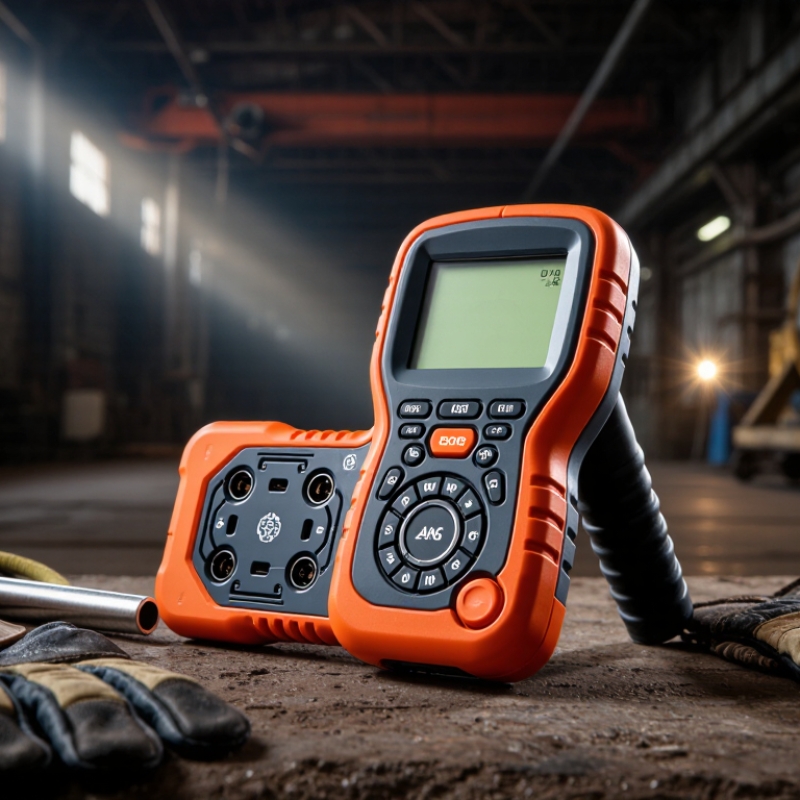
Choosing a Portable Multi Gas Detector is a safety decision, not merely a product comparison. The right instrument must match the gases, work area, and exposure risks found on site. A confined-space technician may need oxygen, combustible gas, hydrogen sulfide, and carbon monoxide sensors. A wastewater worker may face a different combination. More sensors do not automatically mean better protection.
Dr. John D. Spengler, a respected exposure-science researcher, has emphasized, “You cannot assess exposure without measuring it.” This principle applies directly to gas detection. Before purchasing, check sensor ranges, alarm limits, response time, calibration requirements, battery duration, and data-logging functions. An audible alarm should remain clear beside pumps, vehicles, or ventilation fans. A bright display matters in dark tanks and poorly lit corridors. The detector should also tolerate dust, moisture, impact, and temperature changes.
Field experience shows that small details often decide whether a detector is actually used. A heavy unit may stay clipped to a toolbox. A short battery may fail during a long shift. Bump testing and calibration must fit the site’s routine. That part is sometimes underestimated. No detector can replace ventilation, training, entry procedures, or continuous risk assessment. Even the best device can provide misleading confidence when sensors are expired or poorly maintained. This guide explains how to compare specifications with real working conditions, so buyers can choose a Portable Multi Gas Detector that supports dependable decisions rather than simply displaying impressive numbers.
How to Choose a Portable Multi Gas Detector?
Define the hazard profile before comparing instruments. OSHA defines oxygen deficiency as below 19.5% and oxygen enrichment as above 23.5%. These limits can change quickly inside tanks, pits, and sewers. A suitable detector should measure O₂, combustible gases as percent LEL, carbon monoxide, and hydrogen sulfide. The NIOSH Pocket Guide lists 1,200 ppm as CO’s IDLH concentration and 100 ppm for H₂S. These figures show why alarm settings need careful review, not guesswork.
Look for sensors with clear ranges, fast response times, audible, visual, and vibrating alarms, and data logging. Confirm the detector can measure the expected LEL gas, because sensor response differs between methane, propane, and solvents. OSHA’s permit-required confined-space guidance also supports atmospheric testing before entry and continuous monitoring when conditions may change. In practice, sampling near the opening is not enough. Gas layering can make readings misleading. I have seen teams trust one stable reading too quickly.
Tips: Perform a bump test before each shift, follow the manufacturer’s calibration interval, and record results. Keep the inlet clean. Test at the breathing zone and near the work surface when practical. A detector is only one control. It cannot replace ventilation, trained workers, or an evacuation plan. The NIOSH data is useful, but workplace alarm levels may need stricter limits. Recheck them with your safety professional.
A Portable Multi-Gas Detector should cover oxygen deficiency or enrichment, combustible atmospheres, carbon monoxide, and hydrogen sulfide when these hazards are credible. The chart uses a logarithmic scale because oxygen and LEL are expressed as percentages, while CO and H₂S are expressed in parts per million.
| Hazard | Lower Reference | Upper Reference | Meaning |
|---|---|---|---|
| O₂ | 19.5% | 23.5% | Common atmospheric oxygen boundaries for deficiency and enrichment |
| LEL | 10% LEL | 20% LEL | Common low and high combustible-gas alarm levels |
| CO | 50 ppm | 1,200 ppm | OSHA 8-hour PEL and NIOSH IDLH value |
| H₂S | 10 ppm | 100 ppm | NIOSH ceiling value and IDLH value |
These are reference values, not universal detector settings. Final alarm levels should be selected according to the applicable regulations, site risk assessment, exposure duration, and emergency procedures.
Choosing a portable multi gas detector starts with the gases present, not the screen size or accessory list. Check the work area, process materials, ventilation, and possible oxygen deficiency. A practical detector may monitor combustible gas, carbon monoxide, hydrogen sulfide, and oxygen. Confirm its sensors match the hazards before entering the area.
Set the combustible gas alarm near 10% of the lower explosive limit, or LEL. This early warning allows time to leave and investigate. For carbon monoxide, 50 ppm is a commonly used alarm point in many workplace settings. However, exposure limits differ by region and task duration. Configure low, high, short-term, and time-weighted alarms when the instrument supports them.
Hydrogen sulfide requires particular care because smell is unreliable. A common low alarm is 10 ppm, while higher alarms may be set at 15 ppm or according to the site risk assessment. Never treat one number as universal. Review local occupational limits and the detector manual. Test the instrument before each shift, inspect the inlet, and record calibration dates. A bump test can reveal a weak sensor or blocked filter.
Field conditions are rarely perfect. Cold weather, humidity, dust, and sensor age can affect readings. I would rather pause and question an unexpected result than trust a quiet display. Alarm thresholds should be reviewed after process changes, ventilation failures, or near-miss events. Rescue decisions need separate procedures, training, and supplied-air equipment where required.
In daily site inspections, I compare specifications before comparing prices. The IP rating shows resistance to dust and water, but it does not prove complete protection in every condition. IP65 may suit dusty maintenance areas and water jets, while immersion requires a higher rating. Check the test method, enclosure condition, and sensor openings. A damaged seal can change everything.
ATEX and IECEx certification ATEX and IECEx certification should match the intended hazardous area, gas group, temperature class, and operating conditions. Do not rely on a certificate name alone. Confirm that the detector covers the gases you actually monitor. Oxygen deficiency, combustible gas exposure, and toxic gas risks may require different sensor combinations. Documentation matters here. It is easy to overlook.
Battery life, size, and daily operation Battery life should cover a full shift, including alarms, wireless use, and cold weather. In practice, a claimed twenty-hour runtime may fall sharply during frequent alarms. Test it on your own schedule. Size also affects daily use. A compact detector fits a harness pocket, but smaller designs may have tighter screens and harder-to-press buttons. Gloves expose that weakness. I have learned this after rushed checks in poor lighting. Choose a model you can read, carry, bump-test, and operate without removing protective gloves. A few extra grams may be acceptable if the display and alarm remain clear.
A portable multi-gas detector is only useful when its readings can be trusted. Selection should match the actual hazards, not a standard shopping list. The NIOSH Pocket Guide lists an IDLH value of 100 ppm for hydrogen sulfide and 1,200 ppm for carbon monoxide. Oxygen below 19.5% is also considered oxygen-deficient. These figures show why sensor range, alarm settings, and response time matter. A detector designed for oxygen and combustible gas may still miss a toxic contaminant.
Calibration verifies accuracy against a known test gas. Bump testing checks whether sensors, alarms, lights, and vibration functions respond correctly. OSHA’s permit-required confined-space rule requires atmospheric testing before entry and continuous monitoring when conditions may change. A practical routine includes a bump test before each workday, calibration at the manufacturer’s stated interval, and immediate testing after a failed response. Data logging adds accountability. It can record gas levels, alarms, calibration dates, and user actions, helping supervisors identify repeated exposure patterns. Yet a stored record is not proof of safe work. Someone must review it.
Tips: Keep the detector near the breathing zone, not inside a toolbox. Train workers to recognize delayed sensor response, blocked inlets, and low-battery warnings. Use realistic drills with gloves, noise, darkness, and evacuation routes. Training records should show practical performance, not only attendance. A small weakness remains: bump testing cannot confirm perfect accuracy between tests, so risk assessment and fresh-air judgment still matter.
| Selection Dimension | What to Verify Before Purchase | Recommended Technical Criteria | Verification and Operating Practice | Priority |
|---|---|---|---|---|
| Gas Configuration | Required gases and sensor compatibility | Select sensors according to the documented hazards in the workplace. Common configurations include oxygen, combustible gases, hydrogen sulfide, and carbon monoxide. Add toxic-gas sensors only when the risk assessment identifies a credible exposure. | Compare the sensor list with the site chemical inventory, permits, safety data sheets, confined-space assessment, and historical monitoring results. Do not assume that a four-gas configuration is suitable for every work area. | High |
| Measurement Range | Range, resolution, and alarm set points | Verify that the measuring range covers expected concentrations without sacrificing useful resolution. Typical examples include oxygen measured in volume percent, combustible gas measured as %LEL, and toxic gases measured in ppm. | Confirm that low, high, short-term exposure limit, and time-weighted average alarms can be configured where applicable. Alarm values must be based on current workplace rules and the applicable occupational exposure limits. | High |
| Alarm Performance | Visual, audible, and vibration alerts | Choose a detector with clearly visible status indicators, an audible alarm that can be heard in the work environment, and vibration notification for noisy areas or hearing protection use. | Test all alarm modes during commissioning and routine bump tests. Confirm that alarms remain noticeable in low light, high noise, gloves, respiratory protection, and other expected operating conditions. | High |
| Calibration | Traceable calibration process and gas compatibility | The detector should support calibration with certified, in-date gas mixtures suitable for the installed sensors. Calibration equipment should include the correct regulator, tubing, adapter, and gas concentration. | Perform a full calibration according to the manufacturer’s instructions and the organization’s written procedure. Calibration intervals are commonly established at 30 to 180 days based on risk, use, sensor stability, legal requirements, and performance history; the manufacturer’s stated interval and local rules take precedence. | High |
| Bump Testing | Functional response check before use | Confirm that the detector can be exposed to a known test gas and that every installed sensor responds, alarms, and displays a plausible reading within the organization’s acceptance criteria. | A bump test is not a substitute for calibration. Conduct it before each day’s use or before each shift when required by the risk assessment, site procedure, or applicable guidance. Remove failed instruments from service until evaluated and corrected. | High |
| Sensor Technology | Sensor type, cross-sensitivity, and environmental limits | Verify whether sensors are electrochemical, catalytic-bead, infrared, photoionization, or another technology. Review cross-sensitivity, oxygen dependence, poisoning risks, humidity limits, temperature range, and expected service life. | Check the technical manual for interference from cleaning agents, solvents, silicone compounds, sulfur compounds, refrigerants, or other site chemicals. Use the detector only within its specified environmental limits. | High |
| Ingress and Durability | Protection against dust, water, impact, and drops | Select an enclosure with an ingress-protection rating appropriate to the workplace and sufficient mechanical durability for the expected handling, weather, and contamination conditions. | Inspect the housing, sensor openings, filters, clips, charging contacts, and alarm windows before use. Replace damaged protective parts and verify that the required protection rating is maintained after servicing. | Medium |
| Battery and Runtime | Operating time, charging, and battery condition | Choose a battery system that provides adequate runtime for the longest expected shift, including warm-up, alarms, wireless communication, and cold-weather effects. Confirm the battery type and charging method. | Check battery status before deployment. Establish charging, storage, replacement, and inspection procedures. Do not rely on a low-battery warning as the primary method of managing shift coverage. | High |
| Data Logging | Event records, measurement history, and data export | Prefer a detector that records gas readings, alarms, bump tests, calibrations, fault events, user identification, date, time, and instrument identification. Verify memory capacity and export format. | Define data-retention and review rules before deployment. Download records at a controlled frequency, protect exported files from unauthorized changes, and synchronize date and time so events can be accurately compared with work permits and incident records. | Medium |
| Calibration Records | Audit trail and service history | The system should identify the instrument, sensor condition, calibration gas, gas expiration date, technician, result, and next due date. Paper or electronic records should be retrievable for the required retention period. | Quarantine instruments with overdue calibration, failed calibration, missing records, or unknown service status. Record corrective action and return-to-service approval. | High |
| Training | User competence and task-specific instruction | Training should cover start-up checks, sensor limitations, alarm response, bump testing, charging, cleaning, data handling, emergency communication, and limitations of atmospheric monitoring. | Provide hands-on practice and document competence. Retrain after equipment changes, procedure changes, abnormal events, observed misuse, or a significant lapse in use. Training does not replace a confined-space entry program or other required safety controls. | High |
| Maintenance and Service | Parts availability and qualified support | Verify access to replacement sensors, filters, batteries, calibration adapters, test gas, technical documentation, and qualified service personnel throughout the planned service life. | Establish preventive-maintenance intervals and inspect the detector after exposure to high gas concentrations, liquid ingress, impact, or suspected sensor poisoning. Use only approved parts and documented repair procedures. | Medium |
| Compliance and Documentation | Required approvals and operating documentation | Confirm that the detector’s approvals, hazardous-area classification, electromagnetic compatibility, and operating temperature range match the intended location and task. | Keep the user manual, certificate information, risk assessment, calibration procedure, bump-test procedure, inspection checklist, and training records accessible to responsible personnel. | High |
| Total Cost of Ownership | Purchase, consumables, service, and downtime | Compare the complete lifecycle cost, including sensors, batteries, test gas, regulators, calibration equipment, service, software, training, and replacement intervals rather than comparing purchase price alone. | Estimate annual operating cost using the planned number of instruments, calibration frequency, bump-test frequency, sensor replacement rate, gas consumption, and expected service downtime. | Medium |