How to Choose the Right Servo Power Stabilizer for Your Needs?
When selecting a Servo Power Stabilizer, understanding your specific needs is crucial. The right stabilizer can significantly enhance the efficiency of your machinery. Factors such as voltage levels, load capacity, and response time are essential. They affect how well the stabilizer performs in different environments.
Each application varies in power demands. A robust solution for industrial automation may not suit home electronics. Consider your system's voltage fluctuations and load characteristics. These details guide you towards an optimal choice. The market offers various models, each with unique features.
Choosing wisely requires research and expert insight. Look for reviews and manufacturer specifications to validate claims. Avoid rushing the decision; reflection leads to better choices. Remember, a poorly chosen Servo Power Stabilizer can lead to inefficiency and unnecessary costs. Prioritize reliability and compatibility to ensure long-term satisfaction.
Understanding the Basics of Servo Power Stabilizers
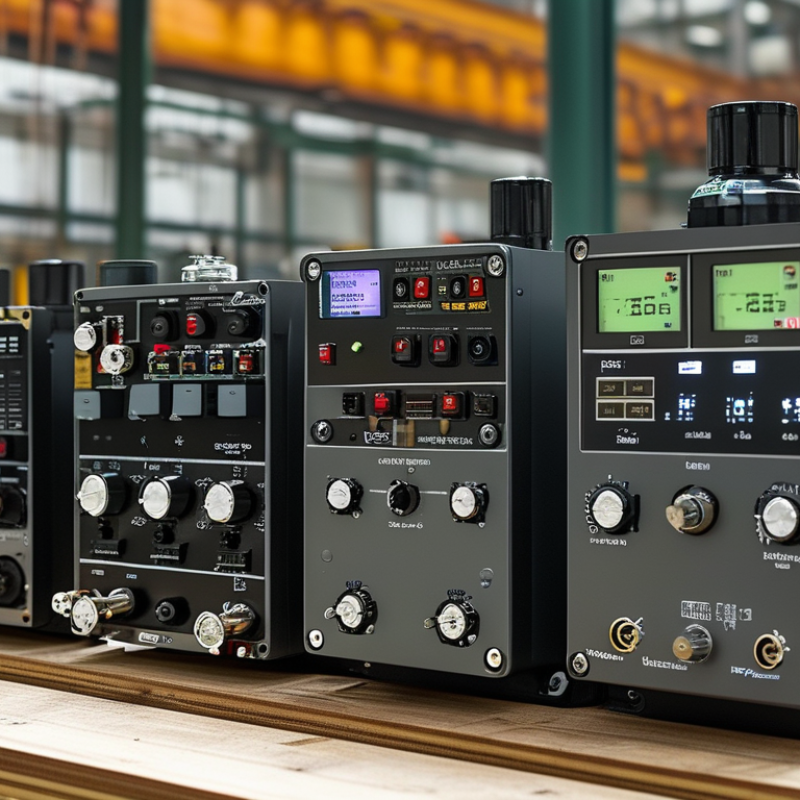
Servo power stabilizers play a critical role in managing voltage fluctuations in electrical systems. They ensure that devices receive a stable and reliable power supply. According to industry reports, approximately 40% of electrical equipment damage stems from improper voltage levels. This highlights the importance of selecting the right stabilizer for your specific needs.
Understanding the basics of how servo stabilizers operate is essential. These devices use a feedback mechanism to adjust the output voltage automatically. Research shows that a well-chosen servo stabilizer can reduce energy costs by up to 25%. Moreover, it extends the lifespan of sensitive equipment. However, not all stabilizers are created equal. Buyers often overlook the importance of power ratings, load capacity, and response times, which can lead to inefficient operation.
It’s essential to assess your specific requirements. Many factors such as location, equipment type, and operational hours should influence your decision. The market lacks a one-size-fits-all solution. Inadequate attention to these factors can lead to suboptimal performance. Therefore, a thorough understanding of your needs can help prevent costly mistakes in the long run.
Identifying Your Power Requirements and Specifications
Identifying your power requirements and specifications is crucial when selecting a servo power stabilizer. Start by assessing the total load of your machinery. This includes all servo motors and associated devices. Knowing the wattage allows you to match a stabilizer’s capacity. Ignoring this step may lead to underperformance or equipment damage.
Consider factors such as voltage fluctuations and surge protection needs. Different environments have varying power quality. Some might experience frequent surges or dips. A stabilizer that addresses specific fluctuations is essential for reliability. Evaluate operating temperatures too. High heat can affect components and longevity.
Review safety features like overload protection and thermal shutdown. These details might seem minor, but they can save your investment. Regularly consulting manuals and guidelines aids in understanding these features. Reflecting on your unique requirements is vital. Take time to compare options and consider potential trade-offs. Choices made in haste might result in ongoing issues. A thoughtful approach leads to better outcomes.
Evaluating Different Types of Servo Power Stabilizers
When evaluating different types of servo power stabilizers, consider the specific needs of your application. There are several types available, including static and dynamic variations. According to industry reports, static stabilizers offer efficiency levels around 98%, ideal for low-to-moderate load applications. Dynamic stabilizers, with response times as quick as 1 millisecond, are perfect for sensitive electronic equipment that requires continuous voltage regulation.
It's essential to analyze the operational environment. High-temperature settings may affect a stabilizer’s performance, leading to potential failures. In a recent study, over 25% of installations faced issues related to inadequate cooling. Understanding the power range and load profile of your equipment is crucial. A stabilizer with a capacity that is too high can lead to inefficiencies, while one that is too low might not be able to handle sudden load fluctuations.
Additionally, assess the maintenance requirements. Some units may demand frequent servicing, while others offer a more user-friendly experience. A report by the International Electrotechnical Commission (IEC) indicated that frequent maintenance can reduce system reliability. Therefore, selecting a product with a good balance between performance and ease of upkeep is critical. Evaluating these factors will guide you toward the right stabilizer for your needs.
Key Features to Consider When Selecting a Stabilizer
When selecting a servo power stabilizer, several key features must be considered. One crucial aspect is the voltage compatibility. Ensure the stabilizer matches the voltage of your equipment. An incompatible stabilizer can either fail to protect your devices or cause damage. Look for models that offer a wide input voltage range, as this can enhance versatility.
Another important feature is the response time. The quicker a stabilizer responds to voltage fluctuations, the better it protects your appliances. A fast reaction prevents potential loss or damage during sudden spikes. Manufacturers often specify this detail. Choose a model with a response time measured in milliseconds for optimal protection.
Tip: Always read customer reviews. They often reveal practical insights about performance and reliability. Real-world experiences highlight both strengths and weaknesses.
Tip: Consider the stabilizer's size and weight. Depending on your installation space, a compact, lightweight model may be preferable. Don't underestimate the importance of the right fit in your setup.
Remember to assess the warranty and service options. A solid warranty reflects confidence in the product. However, be wary of unrealistic claims. Sometimes, a lengthy warranty might mask underlying issues.
Assessing Brand Reputation and Customer Reviews
When selecting a servo power stabilizer, assessing brand reputation is crucial. A brand's history provides insights into its reliability. Look for companies that have been in the market for several years. Longevity often indicates a certain level of trust and quality. Check how frequently they update their products or improve their technology.
Customer reviews also play a key role in decision-making. Reading user feedback helps identify common issues. Look for recurring themes in the reviews. Is customer service responsive? Do users report reliability problems? These insights can reveal much about a product's performance.
However, reading reviews can be tricky. Some feedback might be biased or unverified. Take time to differentiate between genuine experiences and promotional content. A balanced view of both positive and negative reviews can guide you to more informed decisions. Always consider the overall sentiment, rather than individual opinions.

