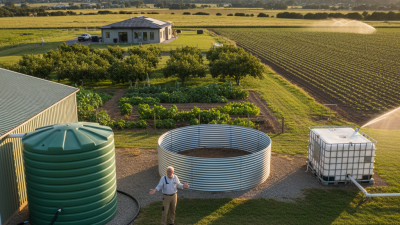
Choosing the right water tank for global sourcing involves more than comparing prices. It requires practical experience, technical knowledge, and careful supplier verification. A tank that performs well in a mild climate may fail under intense sunlight, freezing temperatures, or coastal humidity. Material selection matters. Polyethylene, fiberglass, stainless steel, and concrete each offer different strengths, service lives, and maintenance needs.
Capacity should match real consumption, not an optimistic estimate. A small hotel, remote construction site, and agricultural facility require different storage strategies. Consider water quality, installation space, transport access, cleaning routines, and future demand. A 10,000-liter tank may look suitable on paper, but narrow roads or limited lifting equipment can make delivery difficult. Measure the route.
Reliable sourcing also depends on evidence. Review product drawings, wall thickness, UV resistance, fittings, testing records, and relevant quality certifications. Ask suppliers about batch control and after-sales support. Independent inspections can reveal uneven surfaces, weak welds, damaged threads, or missing components before shipment. These details are easy to overlook.
Real projects rarely follow perfect plans. Forecasts can be wrong. Suppliers can communicate poorly. Even experienced buyers miss a critical fitting sometimes. That is why a written specification, sample approval, and risk checklist remain valuable. The best water tank is not always the cheapest or largest option. It is the one that fits local conditions, compliance expectations, logistics, and long-term operating needs. Careful decisions protect both water quality and investment.
Defining water needs is the real starting point for selecting a tank. Estimate daily consumption, peak demand, and refill frequency before comparing materials or dimensions.
A household may need steady storage, while a farm may require high-volume irrigation during dry weeks. Industrial sites often need separate water for processing, cleaning, and emergency use.
Record the water source and its reliability. Is supply delivered by truck, pumped from a well, or collected from rainfall?
Check water quality, temperature, sunlight exposure, and available installation space. A tank placed outdoors may need protection from heat and ultraviolet exposure. A narrow access road can also limit delivery and assembly options.
My first project estimates often focused only on average daily use. That assumption was wrong. Peak demand created unexpected shortages.
Build a simple usage table with normal, seasonal, and emergency figures. Then discuss the requirements with installers and local authorities. Their experience can reveal drainage, foundation, access, and maintenance issues that drawings miss.
Allow space for inspection and cleaning. Confirm connection sizes, overflow routes, and safe access before ordering. Materials should suit the stored water and the surrounding climate. A lower purchase price can become expensive when transport, foundation work, or replacement parts are ignored. Think beyond the tank.
Choosing the right water tank starts with material, not appearance. Polyethylene tanks are lightweight, corrosion resistant, and practical for many outdoor installations. They need UV protection and stable ground support. Steel tanks provide high strength for large capacities, but coatings, liners, and weld quality require careful review. Concrete tanks can last for decades, yet they are heavy and may develop cracks if curing or site preparation is poor. Fiberglass offers chemical resistance, although impact damage and repair methods deserve attention.
Shape changes both performance and installation cost. Vertical cylindrical tanks save ground space and suit gravity-fed systems, but they may need strong anchoring in windy areas. Horizontal tanks have a lower center of gravity and work well for transport or low-clearance sites. Rectangular tanks fit narrow rooms efficiently. However, their corners can collect sediment and increase cleaning time. Flexible tanks are easy to transport, but they require a smooth surface without sharp stones.
Construction type matters just as much. One-piece molded tanks reduce seam risks and simplify delivery. Welded tanks can support custom dimensions, but fabrication accuracy is critical. Bolted sectional tanks enter restricted sites in panels and allow future expansion. Their gaskets and connection points need regular inspection. I have seen buyers focus on capacity while overlooking manway access, overflow routing, and foundation drainage. That mistake becomes expensive later. A lower purchase price may also hide difficult assembly or limited maintenance access. Check local water regulations, temperature ranges, wind exposure, and intended water use before comparing quotations. Ask for material certificates, leak-test records, and clear cleaning instructions.
Choosing the right water tank starts with capacity, not catalogue dimensions. Estimate daily demand from people, livestock, cleaning, and process use. Add delivery delays and a practical emergency reserve.
The WHO and UNICEF Joint Monitoring Programme reported that 2.2 billion people lacked safely managed drinking water in 2022.
That figure shows why storage planning cannot depend on reliable supply alone. Oversizing is also wasteful. Stagnant water can warm quickly inside a large, dark tank.
Location changes the specification. FAO AQUASTAT estimates that agriculture uses about 70% of global freshwater withdrawals, increasing competition in farming regions. A remote site may need larger storage because tanker access is irregular. In hot climates, place the tank under shade and specify UV-resistant materials.
The IPCC Sixth Assessment Report finds that heavy precipitation is increasing in many regions.
Therefore, inspect drainage, roof runoff, flood height, and anchoring requirements before purchasing. A tank beside a low doorway may look convenient. It may become a flood obstacle.
Installation conditions deserve equal attention. Check ground bearing capacity, access for trucks, lifting clearance, pipe alignment, and maintenance space. For cold regions, protect exposed valves and allow room for thermal movement. For seismic or high-wind zones, use an engineered restraint system.
Local codes and a qualified installer should verify the final arrangement. I have seen capacity calculations fail because weekend demand was ignored. That mistake is easy to prevent, but only when actual operating habits are measured, not guessed. A short site survey often reveals more than a polished product sheet.
How to Choose the Right Water Tank for Global Sourcing?
Check Global Standards, Certifications, Logistics, and Supplier Quality
A water tank should match its end use, climate, and local regulations. For drinking water, request material compliance with recognized standards, such as NSF/ANSI/CAN 61 or an accepted national equivalent. Do not treat a certificate as proof of total safety. Check its scope, expiry date, test method, and exact tank material. Certification details can hide important gaps. Ask for migration tests, UV-resistance results, and cleaning instructions. These documents show technical control, not just sales confidence.
Logistics can change the best supplier choice. UN Trade and Development reports that over 80% of global merchandise trade by volume moves by sea. A tank’s size, nesting design, packaging, and port access therefore affect landed cost. Confirm container loading diagrams before ordering. Check whether fittings can withstand vibration and temperature changes. Supplier quality also needs evidence. ISO 9001 registration supports process management, but it does not guarantee every tank will perform well. Request batch records, wall-thickness data, pressure or leak tests, and traceability photographs. A factory audit is useful, although one visit can never reveal everything.
Tips: Compare three suppliers using the same checklist. Verify certificates with the issuing body. Order a sample before bulk production. Inspect seams, lids, outlets, and packaging. Allow time for independent testing. My own caution is simple: the cheapest quotation often excludes inspection, spare fittings, or inland delivery. Read every assumption.
Check global standards, certifications, logistics, and supplier quality before selecting a tank size and supplier.
Confirm whether the tank is intended for potable water, industrial water, or non-potable use. Requirements may reference NSF/ANSI 61, WRAS approval, EU food-contact rules, or destination-country regulations.
Request valid certificates, declarations of conformity, material traceability, and test reports. ISO 9001 demonstrates a quality-management system but does not by itself certify the tank for drinking-water contact.
The chart shows the approximate water payload only. Add the empty tank weight, packaging, pallet dimensions, stacking limits, and container-loading plan before calculating freight cost.
Evaluate incoming-material controls, weld or molding inspections, leak testing, dimensional checks, batch records, corrective-action procedures, and pre-shipment inspection access.
Water payload is calculated from nominal capacity using a water density of approximately 998.2 kg/m³ at 20°C. Actual shipping weight is higher because it includes the tank and packaging.
Choosing the right water tank for global sourcing requires more than comparing purchase prices. A tank quoted at $1,000 may reach $1,450 after freight, insurance, duties, unloading, and local fittings. Calculate the delivered cost before approving any supplier. Capacity matters too. A 10,000-liter tank can create unnecessary shipping and installation costs when actual demand is lower. That estimate can mislead.
Maintenance expenses deserve equal attention. Ask for information about UV resistance, cleaning access, replacement seals, and inspection procedures. A wide access hatch can reduce cleaning labor, especially when sediment collects at the bottom. Inspect seams every few months and check outlets for leakage. Small details matter. Also verify material test reports and suitability for the intended water use. Documents should come from credible testing bodies, not only supplier declarations.
For long-term value, compare ownership costs over five or ten years. Include installation, cleaning, repairs, water loss, spare parts, and eventual disposal. A cheaper tank with fragile fittings may cost more within two seasons. Modular components and locally available replacement parts can reduce downtime. I would also request an independent pre-shipment inspection, although it adds a small fee. No forecast is perfect. Leave room for currency changes, port delays, and unexpected labor costs. A careful spreadsheet may still miss one local expense. That is why supplier communication, technical records, and realistic maintenance planning remain essential.
Comparative planning data for a nominal 10,000-liter potable or general-purpose water storage system. The figures are indicative international sourcing estimates in USD and should be confirmed with supplier quotations, local standards, site conditions, and freight routes.
| Tank Type | Typical Construction | Estimated Purchase Cost (USD) |
Typical International Freight (USD) |
Estimated Installation Cost (USD) |
Expected Service Life | Annual Maintenance Cost (USD) |
Maintenance Requirements | Corrosion / UV Performance | 10-Year Ownership Cost (USD) |
Best-Fit Applications | Long-Term Value Score (1–5) |
|---|---|---|---|---|---|---|---|---|---|---|---|
| Rotomolded HDPE Tank | One-piece UV-stabilized polyethylene shell with molded fittings | $1,800–$3,500 | $300–$900 | $600–$1,500 | 15–25 years | $100–$250 | Annual visual inspection, cleaning every 1–3 years, inspection of fittings and supports | Excellent corrosion resistance; good UV resistance when properly stabilized | $4,200–$8,400 | Rural supply, agriculture, residential backup, light commercial storage | 4.4 |
| Sectional Bolted Steel Tank | Factory-coated steel panels with gaskets, roof system, and bolted connections | $8,000–$15,000 | $1,200–$3,000 | $3,500–$7,500 | 25–40 years | $300–$800 | Periodic bolt and gasket checks, internal cleaning, coating inspection, and anode or liner maintenance where applicable | Good corrosion resistance with sound coating and regular inspection | $16,000–$33,500 | Municipal, industrial, fire-water, and large commercial installations | 4.2 |
| Welded Carbon-Steel Tank | Welded steel shell with protective internal and external coating | $7,000–$13,000 | $1,000–$2,800 | $3,000–$7,000 | 20–35 years | $500–$1,200 | Coating inspection, corrosion monitoring, periodic repainting, weld inspection, and confined-space procedures | Good when protected; coating damage can lead to localized corrosion | $16,000–$34,800 | Industrial water, process support, fire protection, and engineered projects | 3.8 |
| Fiberglass-Reinforced Plastic Tank | Glass-fiber composite shell with resin matrix and reinforced fittings | $6,500–$12,000 | $900–$2,500 | $2,000–$5,000 | 20–30 years | $200–$600 | Surface inspection, cleaning, inspection of nozzles and supports, and monitoring for cracking or resin degradation | Very good corrosion resistance; UV performance depends on resin and surface protection | $12,000–$25,500 | Corrosive environments, chemical-adjacent facilities, commercial and agricultural storage | 4.1 |
| Stainless-Steel Tank | Welded stainless-steel shell with sanitary or industrial fittings | $18,000–$32,000 | $1,500–$4,000 | $3,000–$8,000 | 30–50 years | $150–$500 | Routine cleaning, weld and fitting inspection, water-quality monitoring, and prevention of chloride contamination | Excellent corrosion resistance when the correct grade and water chemistry are selected | $24,000–$49,000 | Food processing, pharmaceuticals, high-hygiene facilities, and premium potable-water systems | 4.0 |
| Precast or Site-Built Concrete Tank | Reinforced concrete structure with waterproof liner or internal coating | $9,000–$20,000 | $500–$2,000 | $8,000–$20,000 | 40–60 years | $400–$1,000 | Crack inspection, waterproofing checks, cleaning, structural inspection, and liner repairs where needed | Strong structural durability; water ingress and cracking require prompt attention | $22,000–$52,000 | Permanent infrastructure, underground storage, municipal works, and large fixed sites | 3.9 |