
What Is a Polyethylene Water Storage Tank Used For?
What is a polyethylene water storage tank used for? In practical terms, it stores water safely between collection, treatment, and use. Homes use these tanks for rainwater, emergency reserves, and well-water storage. Farms depend on them for irrigation and livestock. Construction sites and remote facilities often need temporary water supplies. The tank may sit beside a barn, under a roof, or behind a service building.
The need is substantial. The WHO and UNICEF Joint Monitoring Programme reported that 2.2 billion people lacked safely managed drinking water in 2022. That figure shows why reliable storage remains important, especially where supply is seasonal or interrupted. A polyethylene water storage tank offers low weight, corrosion resistance, and flexible installation. It does not rust. It can also handle outdoor exposure when manufactured with suitable UV protection and certified materials.
Dr. Peter H. Gleick, co-founder of the Pacific Institute, has stated, “Water is a basic human right.” That principle gives storage a wider meaning. A tank protects more than liquid; it supports continuity, hygiene, and preparedness. Still, storage alone cannot guarantee safe water. Poor cleaning, sunlight, damaged fittings, or unsuitable plastic can create problems. This is where product standards, tank design, and maintenance matter. Some assumptions deserve questioning. Bigger is not always better. A smaller, certified tank may serve a household more safely and economically. Industry guidance from organizations such as NSF, AWWA, and local health authorities should guide the final choice.
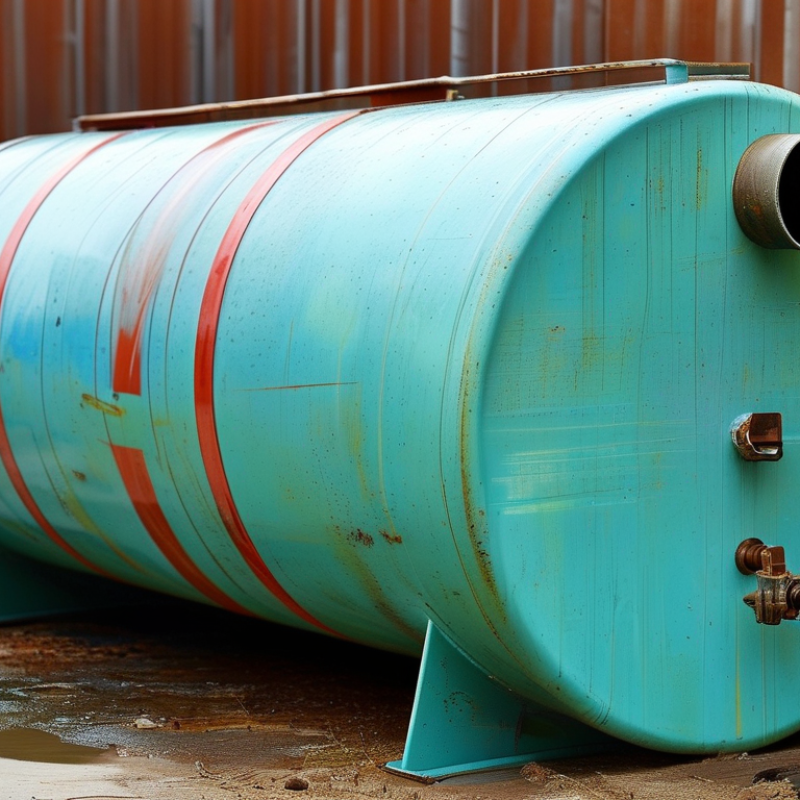
Polyethylene Water Tanks: ASTM D1998 Rotational-Molding Standard
What Is a Polyethylene Water Storage Tank Used For?
Polyethylene water tanks support potable water storage, rainwater harvesting, irrigation, and emergency reserves. They are lightweight, corrosion-resistant, and suitable for above-ground, non-pressurized applications. The WHO/UNICEF Joint Monitoring Programme reported that 2.2 billion people lacked safely managed drinking water in 2022. Reliable storage can help households and facilities manage interruptions, although it cannot replace safe treatment.
ASTM D1998 is a key specification for rotationally molded polyethylene tanks. It addresses material quality, tank construction, workmanship, inspection, and markings. Rotational molding creates a seamless tank body, reducing common leak points around joints. However, ASTM D1998 is not a complete installation plan. Site conditions, liquid compatibility, sunlight exposure, anchoring, and local engineering requirements still matter. The standard is useful, not magical. This distinction is often missed.
Tips: Confirm the tank’s rated capacity and intended liquid. Install it on a level, fully supported base. Keep vents and access openings clear. For drinking water, verify that every wetted component is approved for potable use. The UN World Water Development Report 2024 notes that agriculture represents about 70% of global freshwater withdrawals. Therefore, tank sizing should reflect actual irrigation demand, not guesswork. A small mistake can create daily shortages.
What Is a Polyethylene Water Storage Tank Used For? - Polyethylene Water Tanks: ASTM D1998 Rotational-Molding Standard
| Application | Water Stored | Common Capacity Range | Primary Purpose | Important Design Considerations | ASTM D1998 Relevance |
|---|---|---|---|---|---|
| Rainwater Harvesting | Collected rainwater | 200–10,000 US gal (757–37,854 L) |
Stores runoff for landscape irrigation, toilet flushing, cleaning, and other non-potable uses. | Requires a covered tank, screened inlet, overflow, access opening, and mosquito-control measures. | The tank may be manufactured to the rotational-molding requirements of ASTM D1998; local plumbing and rainwater regulations still apply. |
| Potable Water Storage | Treated drinking water | 300–5,000 US gal (1,136–18,927 L) |
Provides a reserve supply for homes, facilities, remote sites, and backup systems. | Use a material and tank configuration approved for potable water; include hygienic fittings, a sealed cover, venting, and periodic cleaning. | ASTM D1998 addresses tank construction and performance; it does not by itself certify water-potability compliance. |
| Emergency and Backup Supply | Fresh water or treated reserve water | 500–10,000 US gal (1,893–37,854 L) |
Maintains water availability during supply interruptions, severe weather, or infrastructure failures. | The installation should include a secure foundation, isolation valves, overflow control, and an inspection schedule. | ASTM D1998 is relevant to the manufacture of aboveground, stationary, rotationally molded polyethylene tanks designed for atmospheric storage. |
| Agricultural and Livestock Use | Animal drinking water and irrigation water | 250–10,000 US gal (946–37,854 L) |
Supplies water to livestock, greenhouses, fields, and remote agricultural operations. | Consider ultraviolet exposure, freezing conditions, access for cleaning, pump sizing, and protection from animal impact. | A rotationally molded tank can be specified under ASTM D1998, subject to correct sizing, support, and installation conditions. |
| Construction and Temporary Sites | General-purpose or potable water | 250–5,000 US gal (946–18,927 L) |
Supports dust suppression, concrete work, equipment washing, and worker drinking-water stations. | Tanks require stable, level support and suitable connections for pumps, hoses, and temporary distribution lines. | ASTM D1998 can provide a manufacturing reference for stationary tank construction; transportation and temporary-use requirements must be evaluated separately. |
| Fire Protection Reserve | Dedicated firefighting water | 1,000–20,000+ US gal (3,785–75,708+ L) |
Provides stored water for fire pumps, sprinkler systems, or emergency response where permitted. | Capacity, fire connections, access, refill rate, foundation, and separation distances must follow applicable fire codes and engineering requirements. | ASTM D1998 may support the tank specification, but fire-protection approval and design are governed by applicable codes and authority requirements. |
| Industrial and Process Water | Cooling water, wash water, or treated process water | 500–20,000+ US gal (1,893–75,708+ L) |
Buffers water demand for manufacturing, cleaning, cooling, and utility operations. | Confirm polyethylene compatibility with temperature, additives, disinfectants, cleaning chemicals, and operating conditions. | ASTM D1998 focuses on rotationally molded polyethylene storage tanks; chemical compatibility and process-specific engineering remain essential. |
Note: Capacity ranges shown are common planning ranges rather than limits established by ASTM D1998. Tank selection should account for liquid density, temperature, installation conditions, structural support, fittings, local regulations, and intended water quality.
Related Posts
-

10 Essential Tips for Choosing the Right Polyethylene Water Tank
-
What is a polyethylene water tank and why is it important?
-
2025 Top PE Tank Designs: What You Need to Know for Your Projects
-

2026 Top Water Supply Tank Innovations and Trends to Watch?
-
2026 Best Water Supply Tank Options for Your Home and Garden?
-
Essential Tips for Choosing a Polypropylene Water Tank?
