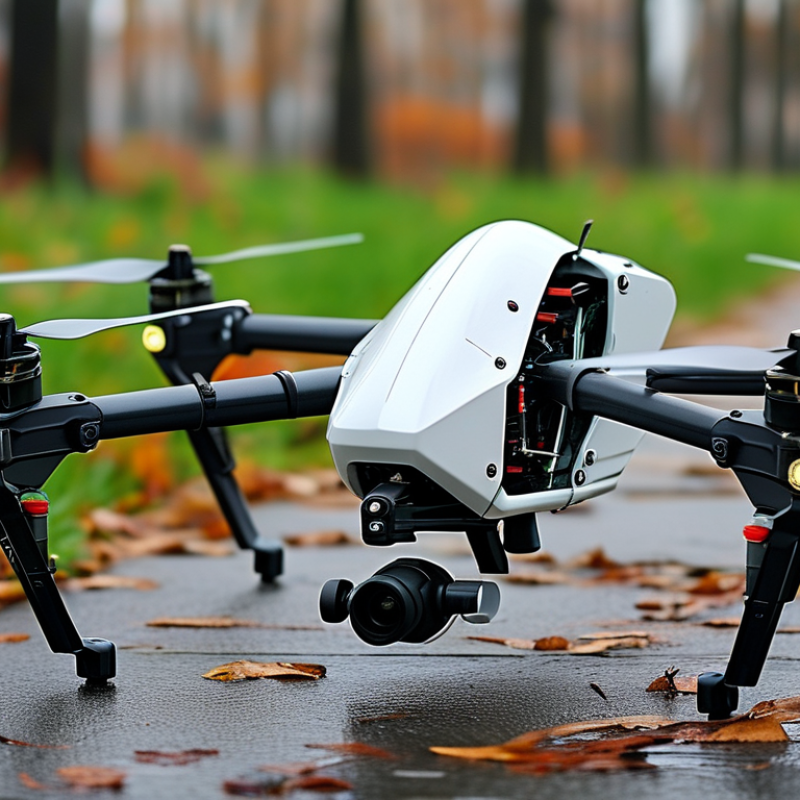
What is Drone Autopilot and How Does It Work?
In recent years, the evolution of drone technology has sparked significant interest. Among its advancements, "Drone Autopilot" stands out as a crucial innovation. It introduces an automated system for piloting drones, minimizing human intervention. This technology enhances efficiency, making it popular in various sectors.
Drone autopilot systems rely on algorithms and sensors. They allow drones to navigate autonomously through predetermined routes. Users benefit from reduced workload and increased precision. However, the technology is not without flaws. Challenges such as GPS signal loss can disrupt operations.
Understanding how drone autopilot works is essential for users. It helps in harnessing its full potential while acknowledging its limitations. As this technology continues to develop, careful consideration of its impacts remains necessary. Balancing convenience and reliability is key in the future of drone operations.
What is Drone Autopilot?
Drone autopilot technology refers to systems that automate flight control. These advanced systems allow drones to operate with minimal human intervention. According to a recent industry report by MarketsandMarkets, the drone autopilot market is projected to reach $2.86 billion by 2026. This growth highlights the increasing reliance on automated systems in various sectors, including agriculture, logistics, and surveillance.
Drone autopilot operates using a series of sensors and algorithms. These systems process data from GPS, accelerometers, and gyroscopes to navigate effectively. They calculate optimal flight paths and maintain stability. However, reliance on autopilot poses challenges. In situations with signal loss or adverse weather, drones may struggle to adapt. Moreover, understanding system limitations is crucial for operators. A report from the Federal Aviation Administration (FAA) noted an increase in accidents linked to pilot overreliance on automation. This emphasizes the importance of continuous training and awareness in utilizing autopilot features.
Key Components of Drone Autopilot Systems
Drone autopilot systems are integral to modern aviation technology. They enable drones to navigate, stabilize, and even perform complex maneuvers autonomously. Key components of these systems include sensors, control algorithms, and GPS. Sensors gather real-time data, such as altitude and speed. Control algorithms process this data, allowing for precise adjustments in flight.
According to a recent industry report, the global market for autopilot systems is projected to reach $4.8 billion by 2027. This growth is driven by advancements in sensor technology and increased demand for unmanned aerial vehicles. Although significant progress has been made, challenges remain. For instance, sensors can sometimes provide inaccurate data due to environmental factors, leading to potential navigation errors.
GPS plays a critical role, but it is not foolproof. Signal loss can occur in urban areas or during extreme weather. This can compromise a drone's ability to maintain its intended course. The integration of multiple systems, such as vision-based navigation, is becoming a key focus for researchers. By blending various technologies, the reliability of drone autopilot systems may improve significantly. However, it requires ongoing innovation and refinement to address existing limitations and enhance overall performance.
How Drone Autopilot Works: A Step-by-Step Guide
Drone autopilot systems utilize advanced algorithms and sensors to operate aircraft autonomously. These systems combine GPS data, inertial measurement units, and real-time feedback to navigate and control flight paths. According to a report by Research and Markets, the demand for autopilot technology in drones is projected to grow by 15% annually. This growth reflects a rising need for precision and efficiency in various sectors, including agriculture and surveillance.
The autopilot process involves several key steps. Initially, the drone's GPS module receives satellite signals to determine its position. Next, the autopilot system calculates the optimal flight route, taking into account factors like altitude and obstacles. During flight, sensors continuously gather data to adjust the drone's trajectory in real-time. This allows for compensation against wind or other unexpected changes. However, issues can arise, such as sensor malfunctions or signal loss, highlighting the necessity for human oversight.
As drone technology matures, challenges remain. Data security can pose threats to autonomous operations. Also, the complexity of urban flight environments may lead to navigation difficulties. Continuous improvement in algorithms is essential to tackle these obstacles. Understanding these nuances is crucial for developers and users alike, ensuring safer and more reliable drone operations.
What is Drone Autopilot and How Does It Work?
| Aspect | Details |
| Definition | Drone autopilot refers to an automatic flight control system that allows drones to operate without direct pilot input. |
| Key Components | Sensors, GPS, inertial measurement unit (IMU), flight control software, and communication links. |
| Functionality | Receives waypoints from the user or a pre-defined route and navigates the drone accordingly while adjusting for environmental factors. |
| Benefits | Increased precision, reduced pilot workload, ability to execute complex flight maneuvers and longer operational times without fatigue. |
| Applications | Aerial photography, agriculture, surveying, inspections, and delivery services. |
| Challenges | Technical reliability, regulatory compliance, potential cybersecurity threats, and emergency response handling. |
Advantages and Disadvantages of Using Drone Autopilot
Drone autopilot systems bring numerous advantages and disadvantages to the table. One significant benefit is the enhancement of flight precision. Drones can execute complex flight plans with high accuracy. This consistency is vital for tasks such as mapping or aerial inspections. However, reliance on technology can sometimes lead to overconfidence. Pilots may neglect manual flying skills. This dependency might create challenges during unexpected situations.
Another advantage is the ability to automate repetitive tasks. Drones can perform routine missions without constant human oversight. This feature saves time and resources. On the flip side, automation can lead to complacency. Operators might fail to monitor their drones adequately. In some cases, they may miss critical alerts or changes in the environment.
When using drone autopilot, consider the environment closely. Always assess weather conditions and obstacles. Conduct pre-flight checks to ensure everything is functioning. Regularly review flight data to learn and improve skills. These simple habits can help maintain reliability in using drone technology effectively.
Future Trends in Drone Autopilot Technology
The future of drone autopilot technology promises significant advancements that can reshape various industries. According to a recent report from the Drone Industry Association, the commercial market for drones is projected to reach $43 billion by 2024. This growth is primarily driven by improvements in autopilot systems, making drones more reliable for tasks like delivery and surveillance.
Emerging trends indicate a shift towards more autonomous operations. Artificial intelligence (AI) is increasingly integrated into autopilot, enabling drones to process data in real time. With AI, drones can adapt to changing environments and make autonomous decisions. Experts predict that by 2025, over 70% of commercial drones will feature advanced autonomous capabilities. However, this rapid development raises questions about safety and regulatory challenges.
Moreover, the integration of drone swarms is on the horizon. Swarm technology allows multiple drones to operate together, enhancing efficiency in sectors like agriculture and logistics. Nonetheless, managing these swarms presents potential risks that need further exploration. The evolving landscape of drone autopilot technology underscores the importance of balancing advancement with safety measures.