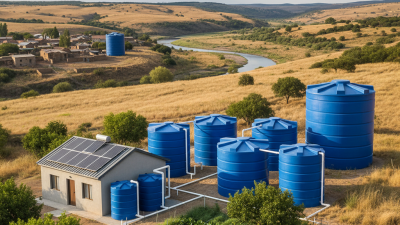
When it comes to ensuring a reliable and efficient water supply system, the choice of a water supply tank is paramount. With increasing demand for water storage solutions due to urbanization and population growth, the global water tank market is projected to reach USD 22.2 billion by 2026, according to a recent report by Research and Markets. Selecting the right tank involves a comprehensive understanding of factors such as material, size, and intended use, all of which play crucial roles in the effectiveness of your water supply system.
As water scarcity and management challenges intensify in various parts of the world, the role of water supply tanks becomes even more significant. Effective water storage not only helps in meeting basic needs but also supports agricultural practices and industrial applications that are critical for economic development. Industry experts emphasize the importance of considering factors like tank location, maintenance requirements, and regulatory compliance when making a selection. This article will explore the top 10 factors to consider when choosing a water supply tank, providing valuable insights to help you make an informed decision that meets both current and future water needs.
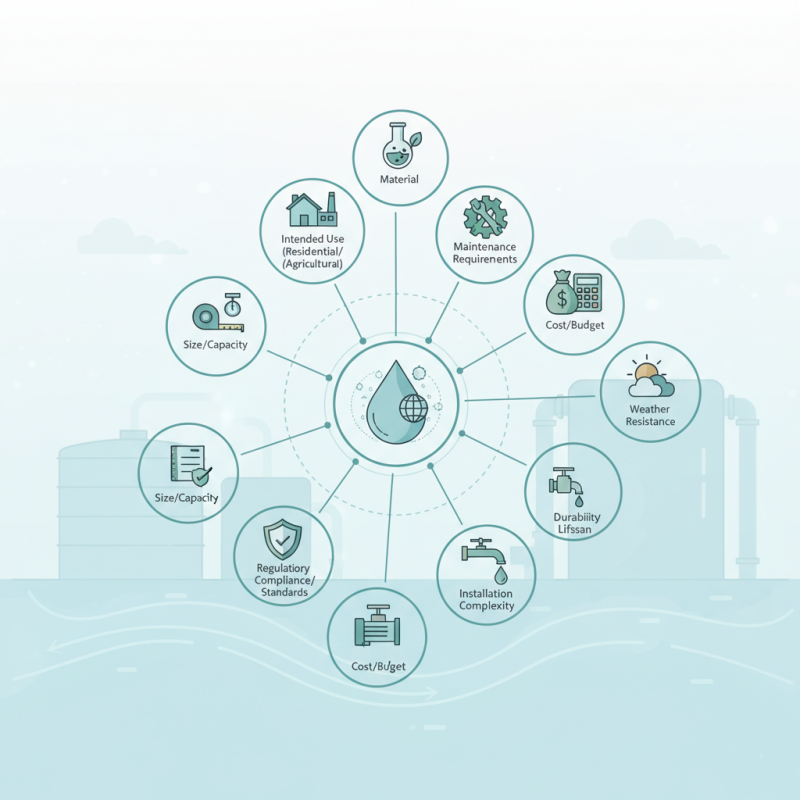
When it comes to choosing a water supply tank, it's crucial to first understand your specific water supply needs. Evaluating the quantity of water you require and the frequency of usage is essential. For households, consider the number of occupants and their daily consumption. For agricultural or industrial purposes, assess the peak demand during crucial times. This foundational knowledge will guide you in selecting a tank with the appropriate capacity.
Tips: Always calculate your projected water consumption by considering various factors such as seasonal changes, potential leaks, and usage spikes. This will ensure that you choose a tank that is neither too small nor excessively large, which can lead to unnecessary costs.
Additionally, consider the source of your water supply. Are you using municipal water, well water, or perhaps harvested rainwater? Each source may have different requirements concerning filtration and tank materials. It's vital to select a tank compatible with your water source to maintain water quality and longevity of the tank itself.
Tips: If you're using well water, look for tanks that prevent sediment accumulation. For rainwater systems, opt for tanks designed specifically for rain harvesting to optimize efficiency and cleanliness.
When selecting a water supply tank, evaluating its size and capacity is crucial to ensuring it meets your specific needs. A common standard in the industry suggests that a household typically requires about 50 to 100 gallons of water per person per day, which can significantly influence the size of the tank needed for various applications. For instance, a 1,500-gallon tank is often adequate for a small family, while larger properties might necessitate tanks exceeding 3,000 gallons to accommodate additional usage demands, such as irrigation or livestock.
Furthermore, the tank's capacity must align with projected water usage patterns. Reports from the American Water Works Association indicate that peak usage rates can escalate to 2.5 times the average daily usage during high-demand periods, particularly in the summer months for gardening or fill-ups for pools. Thus, planning for a tank size that not only meets day-to-day needs but also has a buffer for peak usages is essential. A well-sized tank ensures a steady water supply during critical times and can effectively enhance overall water management strategies, providing efficiency and reliability in both residential and commercial applications.
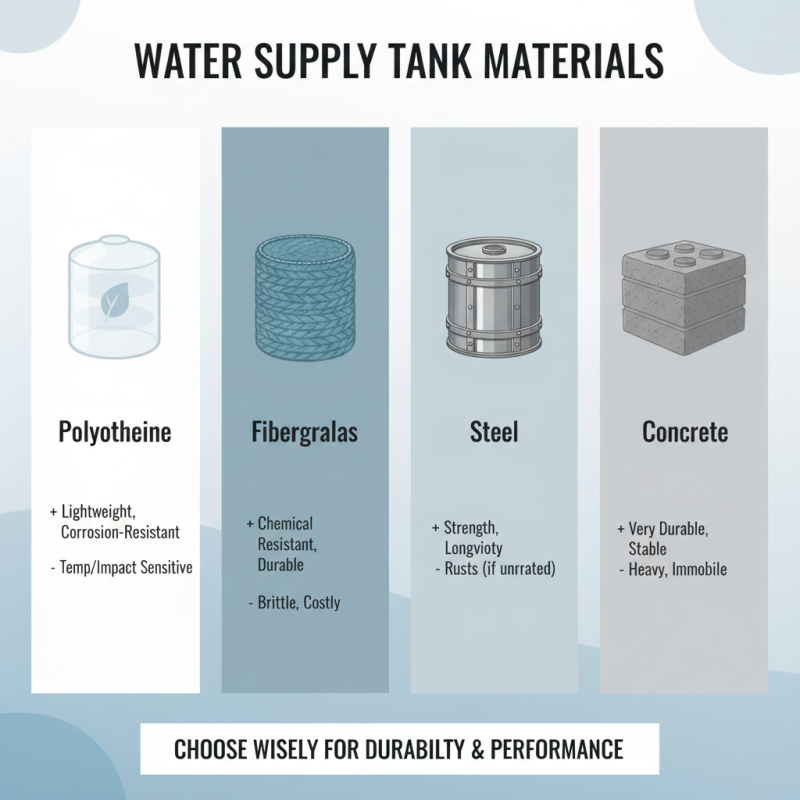
When selecting a water supply tank, the material used in its construction significantly influences both its durability and overall performance. Common materials include polyethylene, fiberglass, steel, and concrete, each offering distinct advantages and drawbacks. Polyethylene tanks, for example, are lightweight and resistant to corrosion, making them ideal for various environments. However, they may not withstand extreme temperatures or physical impacts as effectively as steel tanks, which provide superior strength and longevity but can be prone to rusting if not properly coated or maintained.
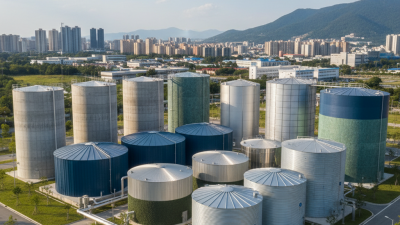
Fiberglass tanks present a balanced option, combining resistance to corrosion and UV rays with a lightweight design. This makes them particularly suitable for outdoor installations where exposure to the elements is a concern. Concrete tanks, while heavy and difficult to move, are exceptionally durable and often preferred for large-scale water storage needs. Their longevity can also be enhanced through specialized coatings that prevent leaks and mitigate the impact of weather conditions. Ultimately, understanding these materials and their characteristics will help guide your decision, ensuring that your water supply tank not only meets your current requirements but also stands the test of time.
When considering a water supply tank, assessing installation requirements and location is crucial to ensure optimal performance and longevity of the tank. First, it is important to evaluate the terrain where the tank will be installed. Factors such as slope, soil type, and drainage capabilities can significantly affect the stability and accessibility of the tank. If the chosen site is uneven or prone to flooding, additional groundwork or protective measures may need to be taken to secure the tank properly and prevent water contamination.
In addition to geographical considerations, accessibility for maintenance and water distribution should also be addressed. Ensure that the location allows for easy access for services such as filling, cleaning, and repairs. Proximity to water sources and the intended usage points, whether for irrigation, livestock, or household use, should also guide the decision. Adequate distance from potential pollutants, such as livestock areas or runoff from roads, is essential to maintain water quality. Ultimately, taking the time to carefully analyze these installation factors will lead to a more efficient and sustainable water supply solution.
| Factor | Description | Considerations | Potential Impact |
|---|---|---|---|
| Tank Material | Material affects durability and suitability for various liquids. | Types include plastic, fiberglass, and steel. | Affects lifespan and maintenance costs. |
| Capacity | The amount of water the tank can store. | Size needs based on daily consumption and peak demand. | Under-sizing can lead to shortages; over-sizing can waste resources. |
| Location | Where the tank will be installed, either above or below ground. | Consider environmental regulations and site accessibility. | Can influence installation costs and convenience of access. |
| Installation Costs | Costs associated with setting up the tank. | Includes labor, permits, and materials. | Budgeting for these costs is critical for project feasibility. |
| Maintenance Requirements | Long-term upkeep necessary to ensure tank functionality. | Frequency and type of maintenance can differ significantly. | Neglect can lead to costly repairs and reduced tank life. |
| Water Quality | The purity and safety of the water stored. | Consider potential contamination sources. | Poor quality can pose health risks. |
| Weather Resistance | Ability to withstand environmental conditions. | Materials should endure local climate extremes. | Lack of resistance could lead to structural failure. |
| Regulatory Compliance | Adherence to local laws and standards. | Check zoning laws and safety regulations. | Non-compliance can result in fines and legal issues. |
| Availability of Parts | Ease of obtaining replacement parts and accessories. | Consider brand support and part availability. | Limited availability may increase downtime during repairs. |
| Compatibility with Existing Systems | How well the new tank integrates with current infrastructure. | Review existing plumbing and water delivery systems. | Compatibility issues can complicate installation and functionality. |
When choosing a water supply tank, budget considerations play a crucial role in the overall decision-making process. According to industry reports, the initial cost of a water tank can vary significantly based on material, capacity, and installation requirements. For instance, polyethylene tanks may range from $500 to $2,500, while fiberglass options can start at $1,000 and exceed $5,000 for larger models. It's vital to assess not just the upfront cost but also how it fits into your broader financial plan, including installation expenses which can add an additional 20-30% to the overall investment.
Long-term maintenance costs are equally essential to evaluate when selecting a water supply tank. Research indicates that maintenance can represent up to 15% of the total cost of ownership over the lifecycle of the tank. Regular inspections, potential repairs, and replacement parts must be factored into the ongoing budget. Additionally, the choice of materials can influence these costs—for instance, galvanization for steel tanks can mitigate corrosion but may incur higher maintenance costs over time compared to high-density polyethylene which is generally more resilient and lower-maintenance. Careful consideration of these financial factors can lead to a more sustainable and cost-effective choice in the long run.