Skip to content
Menu

How to Choose an IBC Storage Tank in 2026?

Choosing an ibc storage tank in 2026 requires more than comparing capacity and purchase price. Packaging markets are changing, while manufacturers face tighter expectations for traceability, reuse, and material efficiency. Grand View Research identifies steady growth in the global intermediate bulk container market through 2030, driven by chemical, food, pharmaceutical, and agricultural applications. MarketsandMarkets also reports increasing demand for reusable bulk packaging and stronger supply-chain efficiency.

The numbers deserve caution.

Market forecasts use different definitions, regions, and product categories. They should guide decisions, not replace engineering judgment. A 1,000-liter tank may suit one site, yet fail another because of forklift access, temperature swings, or frequent discharge cycles. Consider the liquid first. Check density, viscosity, chemical compatibility, and required cleanliness. Then examine the bottle material, cage strength, pallet design, outlet valve, gasket, and grounding provisions.

Relevant guidance includes ISO 16103 for recycled plastics packaging and ISO 21898 for flexible intermediate bulk containers. For regulated transport, the United Nations Recommendations on the Transport of Dangerous Goods and applicable local rules remain essential references. Storage and transport are not always governed by identical requirements.

Small details matter. A valve that drips onto a concrete floor creates waste, slip hazards, and maintenance work. A faded label can delay batch identification. Sunlight can also weaken some polymers over time.

There is no perfect tank.

The best choice balances service life, safety, cleaning, inspection, and total ownership cost. Document the decision. Record product data, operating conditions, inspection intervals, and supplier evidence. A careful selection process may feel slower, but it reduces expensive surprises.
How to Choose an IBC Storage Tank in 2026?

Define the Material, Capacity, and Performance Requirements

How to Choose an IBC Storage Tank in 2026?

Define the Material, Capacity, and Performance Requirements

Begin with the stored material, not the tank price. Water, oils, acids, and food ingredients require different liner and outlet materials. High-density polyethylene suits many aqueous products, while corrosive liquids may require verified chemical compatibility.

The 2024 UN World Water Development Report notes that agriculture uses about 70% of global freshwater withdrawals. That figure supports growing demand for efficient bulk storage, but it does not justify choosing one universal tank.

Capacity should match real operating cycles. A 1,000-liter IBC may fit a forklift bay, yet it can be too small for weekly irrigation or production demand. Measure daily consumption, delivery frequency, expansion plans, and minimum reserve volume. Leave headspace for thermal expansion. Crowded storage creates handling risks. It also complicates cleaning.

Performance requirements need measurable targets. Check UV resistance, wall thickness, stacking load, discharge speed, temperature range, and expected service life. ISO 16103 provides guidance for composite IBCs used with dangerous goods, while ISO 20848-1 addresses plastics terminology and construction considerations. These references improve procurement discipline, but they do not replace a site-specific risk assessment.

The Global Water Intelligence Market Report has repeatedly highlighted rising investment in water infrastructure, although market forecasts can differ by region and application.

That uncertainty matters. Ask suppliers for test records, material certificates, inspection procedures, and replacement-part availability.

I would also test the outlet in actual working conditions. A perfect specification can still fail at a muddy loading area.

Compare IBC Tank Types, Construction Materials, and Configurations

How to Choose an IBC Storage Tank in 2026?

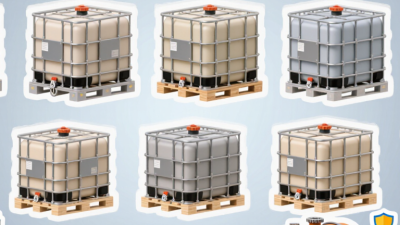
Choosing an IBC storage tank in 2026 starts with the stored liquid. Composite IBCs use an HDPE inner bottle and a protective steel cage. They are practical for general industrial liquids and routine transport. HDPE resists many chemicals, but temperature and concentration can change its performance. Check compatibility carefully. Stainless steel IBCs suit demanding cleaning cycles, food applications, and repeated reuse. They offer strong durability, but their higher cost may not fit every operation. Carbon steel tanks can handle heavy-duty service, although coatings and corrosion control require close attention.

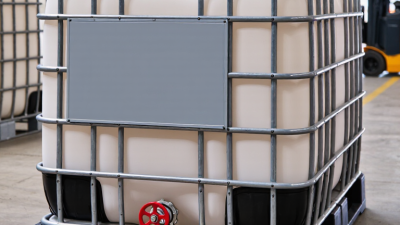
Configuration matters as much as construction material. A bottom outlet can simplify draining and reduce product waste. Large top openings help with filling and inspection. Choose valve materials that match the liquid, not only the tank body. Pallet design also affects handling. Plastic pallets resist corrosion, while steel pallets may support heavier loads. Fixed, stackable, and insulated configurations serve different workplaces. The cheapest option may become expensive after cleaning problems or damaged valves. That detail is easy to underestimate.

Tips: Confirm capacity, working temperature, outlet size, and chemical compatibility before ordering. Request documented test data and inspect welds, seals, and cage joints. Leave safe headspace for thermal expansion. Review the setup with operators; their practical feedback often reveals issues that specifications miss. A tank can be technically suitable, yet awkward access may still create daily problems.

How to Choose an IBC Storage Tank in 2026?

Compare IBC tank types, construction materials, and configurations by their typical empty weight in the 1,000-liter class.

The values are representative industry figures for empty 1,000-liter IBC configurations. Flexible fabric tanks are the lightest and easiest to transport, HDPE composite tanks provide a practical balance of cost and durability, while carbon-steel and stainless-steel tanks offer greater mechanical strength and chemical resistance at a higher tare weight. Always verify the tank’s UN certification, chemical compatibility, temperature rating, outlet design, and required capacity before purchase.

Evaluate Safety, Compliance, and Environmental Conditions

How to Choose an IBC Storage Tank in 2026?

Selecting an IBC storage tank requires more than checking capacity and price. Safety begins with material compatibility. Confirm that the tank, liner, valve, and gasket suit the stored liquid and its Safety Data Sheet. A clean exterior proves little. Inspect welds, seams, fittings, and the pallet frame for damage. Check traceable test records and applicable transport or storage certifications. Local fire, workplace, and environmental rules may also apply.

Environmental conditions can change the correct tank choice. Outdoor tanks need protection from strong sunlight, freezing temperatures, heat, and standing water. Uneven floors can stress the base and distort the outlet. Use suitable secondary containment, especially where a leak could reach drains or soil. Keep access clear for inspection. I once focused too heavily on chemical compatibility and overlooked daily temperature swings. That mistake changed my inspection checklist.

Tips: Measure the storage area before ordering. Leave space around valves and lifting points. Record fill dates, inspections, and cleaning history. Replace damaged labels immediately. Test a small sample when compatibility is uncertain. Do not rely on appearance alone. Ask for current certificates, not old copies. A checklist helps, but it cannot replace trained inspection and practical judgment.

Assess Handling, Cleaning, Maintenance, and Reuse Options

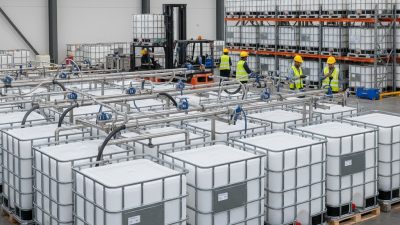
Choosing an IBC storage tank in 2026 requires more than checking capacity and purchase price. Handling conditions often decide whether the tank performs well. Measure doorways, pallet spaces, loading heights, and turning areas before ordering. A full tank can be awkward. Select lifting points that suit forklifts or pallet jacks, and confirm frame stability on uneven floors. Check valve protection, label visibility, and access for sampling. Small details prevent expensive handling damage.

Cleaning should match the stored material and the tank construction. Request documented material compatibility, temperature limits, and cleaning instructions. After discharge, drain residual liquid promptly. Rinse with a suitable method, then inspect corners, seams, valves, and outlet gaskets. Use a bright inspection light. It can reveal film that looks invisible from a distance. Do not assume clear appearance means hygienic cleanliness. Record the cleaning date, method, operator, and inspection result.

Maintenance becomes easier when scheduled before failure. Check welds, cage bars, valve seals, labels, and pallet feet at defined intervals. Replace damaged components with suitable parts and trained personnel. Reuse can reduce waste, but it is not automatically safe or economical. Keep separate tanks for compatible material groups, and verify previous contents before reuse. Some tanks should be retired after impact, deformation, or uncertain history. Judgment matters here. A cheaper tank may demand more labor, water, and downtime than expected. Review actual cleaning time after each cycle, then adjust the selection criteria.

Calculate Total Cost, Supplier Reliability, and Long-Term Value

How to Choose an IBC Storage Tank in 2026?

The purchase price shows only the beginning of an IBC tank’s cost. Add freight, unloading, valves, liners, cleaning, inspections, and storage space. A tank that costs less may require frequent repairs or replacement. I learned this after comparing invoices rather than relying on quotations alone. My early estimates missed disposal fees and seasonal transport increases.

Supplier reliability deserves practical checking. Request material specifications, pressure-test records, production dates, and traceable inspection documents. Ask how quickly the supplier handles damaged fittings or urgent replacement needs. A dependable supplier explains limitations clearly instead of promising everything. Check warranty terms, spare-part availability, and delivery performance from recent customers. Written evidence matters more than polished sales language.

Tips: Build a three-year cost sheet before ordering. Compare usable capacity, not only nominal volume. Inspect the valve, cage, pallet, and container seams. Confirm compatibility with your liquid and operating temperature. Keep one sample tank for a controlled trial. That step may feel slow. It can reveal cleaning problems, awkward handling, or unexpected leakage risks. Long-term value comes from safe use, predictable maintenance, and fewer interruptions. Still, no calculation is perfect; local labor, climate, and storage conditions can change the result.