What is a Stainless Tank and How is it Used?
Stainless tanks are essential in various industries, including food, pharmaceuticals, and chemicals. According to a recent industry report, the global stainless steel tank market is projected to reach $4.5 billion by 2025. This growth aligns with an increasing demand for safe and durable storage solutions.
These tanks offer significant advantages. They resist corrosion and contamination, making them ideal for storing sensitive materials. In food production, for instance, stainless tanks ensure hygiene and quality, which are crucial for consumer safety. Yet, the market faces challenges. Manufacturing costs can be high, and not all stainless tanks are created equal. Variations in grade and finish affect performance.
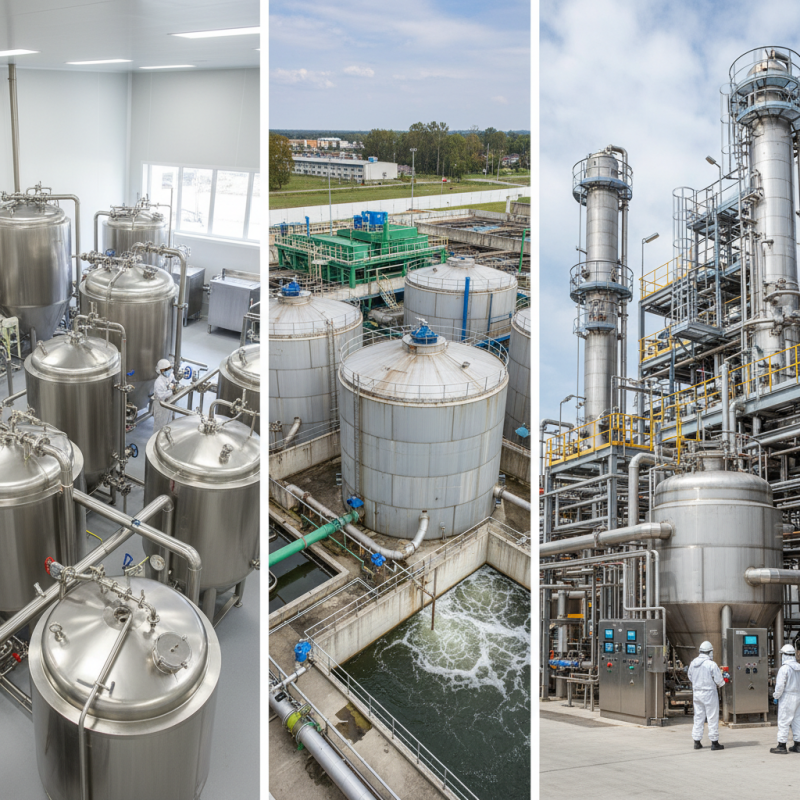
Understanding how stainless tanks are utilized is vital. They can be found in breweries, wastewater treatment plants, and chemical processing facilities. Each application demands specific design features and maintenance practices. Reflecting on these requirements reveals areas for improvement in efficiency and sustainability.
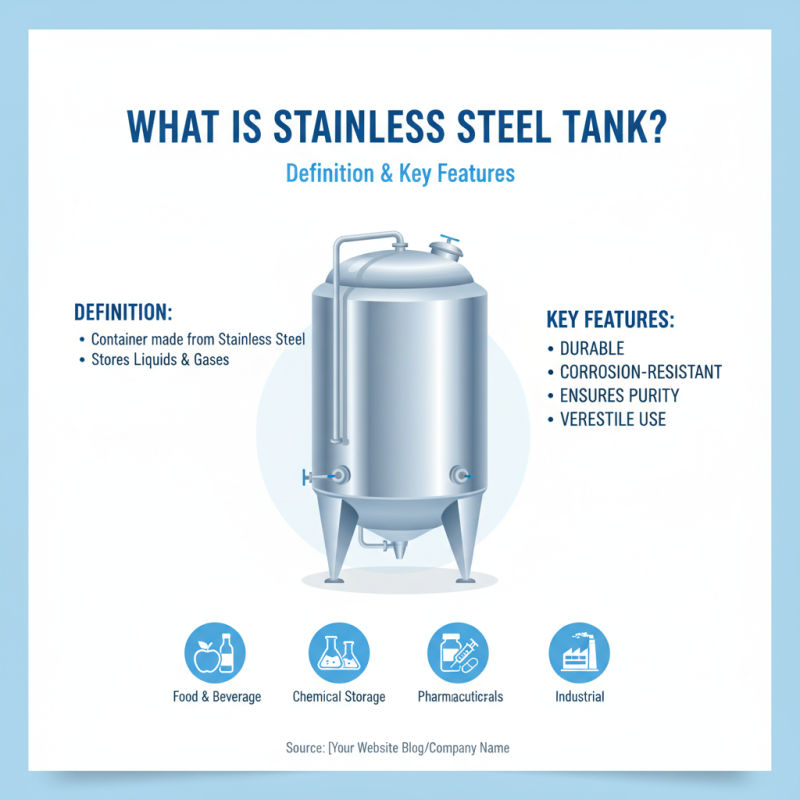
What is a Stainless Tank? Definition and Key Features
A stainless tank is a vital container in various industries. It is made from stainless steel, which offers durability and resistance to corrosion. These tanks are essential for storing liquids and gases. Their clean finish ensures that the contents remain uncontaminated. You might find them in food and beverage production, chemical storage, or even in pharmaceuticals.
One key feature of stainless tanks is their structural integrity. They can withstand high pressure and temperature. This makes them suitable for both hot and cold storage. Despite their robust design, not all stainless tanks are created equal. Some tanks show signs of wear sooner than expected. Surface scratches can occur, leading to potential contamination. Regular maintenance is crucial, yet often overlooked.
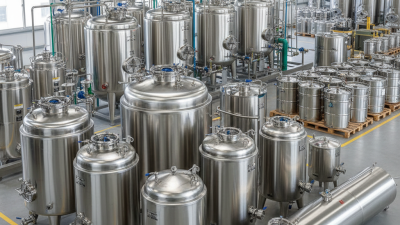
These tanks can come in various shapes and sizes. From small containers to large industrial tanks, they’re adaptable. Different applications require specific features, such as insulation or agitation. However, choosing the wrong style for a particular need can lead to inefficiency. It’s important to assess needs carefully before making a selection. A well-chosen stainless tank can significantly improve productivity and safety.
Materials Used in Stainless Tank Construction: Grades and Specifications
Stainless tanks play a crucial role in various industries. They are commonly constructed from several grades of stainless steel. The most popular grades include 304 and 316. Grade 304 is known for its corrosion resistance. It's often used for food storage. However, it may not perform well in highly acidic environments.
Grade 316 offers improved resistance to chlorides. This makes it suitable for marine applications or chemical storage. It's interesting to note that choosing the right grade can be challenging. Sometimes, people overlook the specific needs of their application. A small error in material selection can lead to significant issues later.
In addition to grade selection, specifications matter. Thickness, finish, and welding procedures can impact tank performance. For instance, a thinner tank may save costs upfront. However, it could weaken over time under pressure. It's essential to carefully consider these details during construction. Even minor mistakes can lead to major implications in tank functionality.
Applications of Stainless Tanks in Various Industries
Stainless tanks are widely used across various industries due to their durability and resistance to corrosion. In the food and beverage sector, stainless tanks play a crucial role. They store liquids like beer, wine, and juices. Their smooth surfaces ensure easy cleaning. However, improper maintenance can lead to contamination risks.
In the chemical industry, stainless tanks are essential for storing and mixing chemicals. They withstand harsh environments. These tanks help in safe transportation of hazardous materials. Yet, operators sometimes overlook checking for leaks. This may result in unsafe conditions and environmental damage.
In pharmaceuticals, stainless tanks hold critical ingredients for medicines. They ensure sterility and prevent reactions. Quality control is vital in this sector. Any oversight could compromise product safety. Thus, stainless tanks serve various purposes, but care and diligence are necessary in their use.
Key Benefits of Using Stainless Tanks Over Other Materials
Stainless tanks offer numerous benefits compared to tanks made from other materials. One of the primary advantages is their resistance to corrosion. A study indicates that stainless steel can last up to 50 years in harsh environments. This longevity makes stainless tanks a cost-effective solution in the long run. They require less frequent replacement, translating into lower maintenance costs.
Additionally, stainless tanks are non-reactive. They do not alter the quality of the contents stored within. This is crucial for industries such as food and pharmaceuticals. Contaminants can compromise product integrity. In fact, a report from the International Journal of Food Science states that stainless steel tanks can reduce microbial growth significantly.
**Tips**: When selecting a tank, consider the specific fluids you will store. Evaluate the temperature and pressure conditions. These factors can influence the type of stainless steel best suited for your needs.
Another point to consider is the initial cost. Stainless tanks can be more expensive upfront. However, think about the total cost of ownership over time. If you often need replacement tanks, the initial higher cost becomes justified. Balancing upfront costs with long-term benefits is vital. Investing in high-quality materials pays off in durability and reliability.
Comparison of Key Benefits of Stainless Tanks vs. Other Materials
Maintenance and Safety Considerations for Stainless Tanks
Stainless tanks are crucial in various industries, from food production to pharmaceuticals. Proper maintenance ensures they function effectively. A recent industry report reveals that 30% of stainless tanks fail due to inadequate servicing. Regular inspections can help reduce potential risks. Failure to address minor issues can escalate into costly repairs or even safety hazards.
Cleaning stainless tanks is essential. Use non-corrosive detergents to avoid damage. A study found that 25% of tank surfaces harbor bacteria if not cleaned regularly. This can lead to contamination and product spoilage. Additionally, ensure that the tank is properly vented. Poor ventilation can create pressure build-up, leading to leaks or ruptures.
Safety training is vital for personnel. Workers should know both the proper usage and risks associated with stainless tanks. Inadequate training contributes to 40% of workplace incidents involving tanks. Emphasizing safety procedures can mitigate these risks. Remember, neglecting even small maintenance tasks may result in significant consequences down the line.