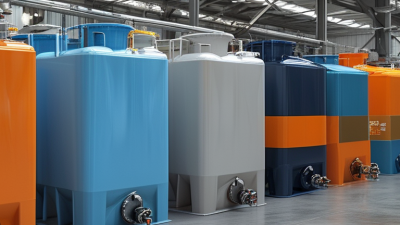
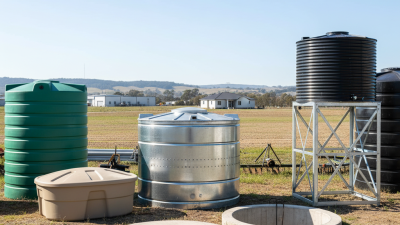
Top 10 Jacketed Tanks for Your Industrial Needs?
In the industrial landscape, efficiency and safety are paramount. One essential piece of equipment that stands out is the jacketed tank. These tanks provide temperature control, ensuring optimal processing for various materials. However, not all jacketed tanks are created equal.
Choosing the right jacketed tank can significantly impact production quality and consistency. From the design to material selection, numerous factors should be considered. This article presents the top 10 jacketed tanks designed for diverse industrial needs. It emphasizes the importance of expert reviews and reliable specifications to guide your decision.
Understanding the specific applications of each tank is crucial. Reflecting on the efficiency and features of different designs can help identify the best fit for your operations. Careful selection now will save time and resources in the long run. The right jacketed tank can be a game-changer in industrial processes.
Understanding Jacketed Tanks and Their Industrial Applications
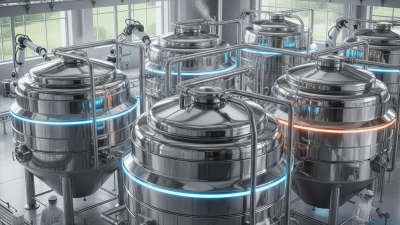
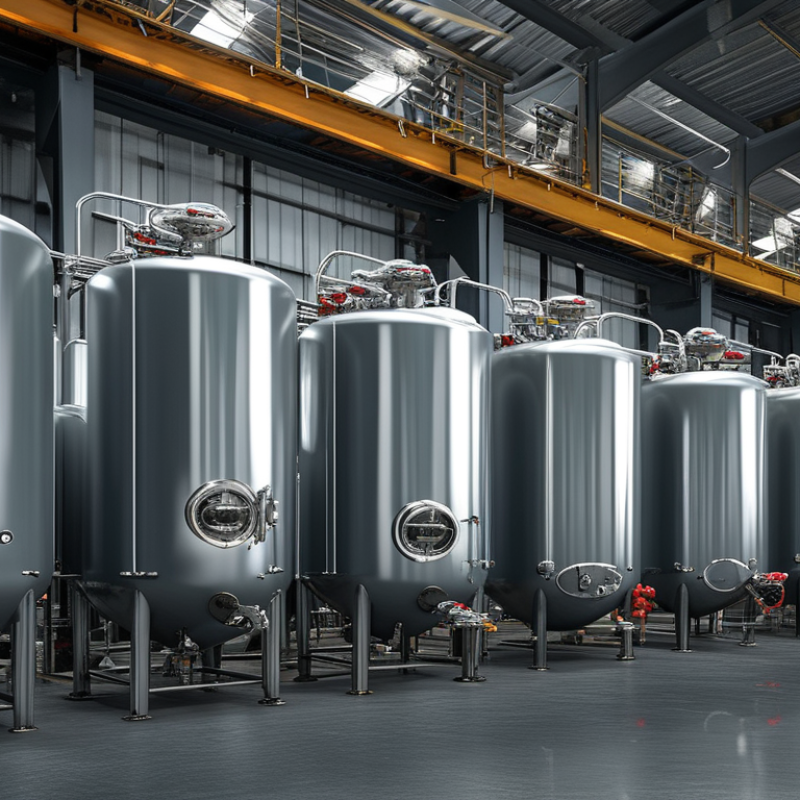
Jacketed tanks are specialized vessels commonly used in various industrial applications. These tanks feature a double-wall design, allowing for temperature control and process efficiency.
The outer jacket circulates heating or cooling fluids, which regulates the temperature of the contents inside. This design is crucial when working with temperature-sensitive materials. Industries such as food processing, pharmaceuticals, and chemicals benefit significantly from these tanks.
In food processing, jacketed tanks ensure that products maintain their quality during production. By controlling temperature, these tanks prevent spoilage and maintain flavor profiles.
In pharmaceuticals, precise temperature management is vital for drug formulation and ensuring compliance with regulations. However, not all jacketed tanks are created equal. Factors like material quality, insulation, and design affect performance. It's essential to evaluate these elements carefully.
While jacketed tanks are effective, they can also pose challenges. Maintenance is critical to avoid leaks and ensure proper insulation. Additionally, the initial investment may be high for some businesses. Understanding specific process requirements before selection can help mitigate these issues. Identifying the right application will enhance efficiency and lead to better outcomes.
Key Features to Consider When Choosing Jacketed Tanks
When selecting jacketed tanks for industrial applications, several critical features require careful consideration. Temperature control is essential. According to a report by the Chemical Engineering Journal, precise temperature regulation can enhance process efficiency by up to 30%. Insulation quality also plays a key role in maintaining stable temperatures. Poor insulation can lead to heat loss and increased energy costs.
Material compatibility stands out as another vital aspect. Depending on the substances stored, materials must resist corrosion and withstand real-world conditions. A 2022 study indicated that 15% of tank failures result from material degradation. Manufacturers must provide detailed specifications for their materials. This ensures safe and reliable operations over time.
Maintenance access is an often-overlooked feature. Tanks should allow for easy inspection and cleaning. Complicated designs can lead to neglect and increased maintenance costs. Reports in industrial safety journals suggest that regular maintenance can reduce unexpected downtime by 40%. Indeed, choosing the right jacketed tank demands a balance between these crucial factors to optimize performance and safety.
Top 10 Jacketed Tanks: A Comprehensive Review of Options
When selecting jacketed tanks for industrial applications, several factors come into play. These tanks are designed to maintain precise temperature control. The jacketed design allows for heating or cooling fluids to circulate around the vessel. This feature enhances the efficiency of processes, especially in food, pharmaceuticals, and chemicals. Different materials and configurations can significantly impact performance.
Choosing the right tank involves considering capacity, insulation, and compatibility with your materials. Many industries benefit from custom designs. However, off-the-shelf options may still meet your needs. Don't overlook the importance of reliable suppliers. A well-established provider usually ensures quality and proper certification.
It’s essential to reflect on your specific requirements before making a decision. Sometimes, the perfect tank isn’t the most popular one. You might find that smaller or more specialized options suit your operations better. Investigating user reviews can provide insight into less obvious flaws. Aim for a balance between cost-effectiveness and long-term reliability.
Comparison of Materials Used in Jacketed Tank Construction
When considering jacketed tanks, the materials chosen for construction play a crucial role. Typically, stainless steel is the preferred material due to its durability and resistance to corrosion. According to a recent industry report, over 70% of jacketed tanks utilize stainless steel, thanks to its longevity. However, this material may not always offer the best thermal efficiency.
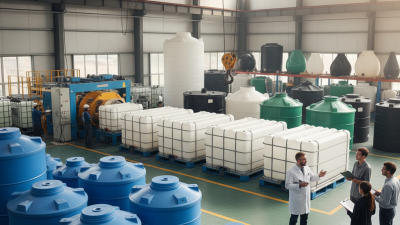
In contrast, some manufacturers are exploring carbon steel and lined thermoplastics. Carbon steel can be more cost-effective, but it requires careful handling to prevent rust. The study indicates that 15% of tank users are shifting towards these materials for specific applications. Lined thermoplastics, while often underutilized, provide excellent thermal performance but can lack structural integrity. This inconsistency leads some companies to reevaluate their choices regularly.
The choice of material should not only reflect cost-efficiency but also overall operational needs. Many designers are unaware that improper material selection can result in increased maintenance costs and unanticipated downtime. Reports reveal that nearly 20% of users faced unexpected issues due to material failures. Ideally, the decision should balance initial costs with long-term reliability.
Maintenance Tips for Ensuring Longevity of Jacketed Tanks
Maintaining jacketed tanks is crucial for their longevity and efficiency. According to a report by the National Association of Manufacturers, proper maintenance can extend the life of industrial equipment by 30%. Regular inspections should focus on weld integrity and insulation conditions. If insulation is damaged, it can lead to significant heat loss and increased energy consumption.
Pressure testing is essential. The American Society of Mechanical Engineers suggests conducting these tests at least once a year. They can identify leaks or weak points early on. Neglecting this step often results in costly repairs down the line. Additionally, tank cleaning is vital. Residues can accumulate and affect product quality. Cleaning frequency can depend on your application but aim for at least quarterly cleanings.
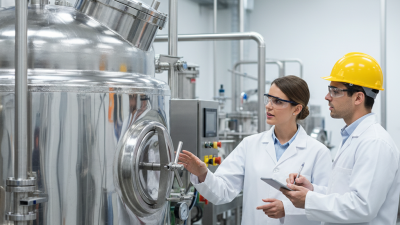
Routine check-ups can reveal hidden issues. Dust, corrosion, and contamination can undermine performance. A visual inspection should occur monthly. Ensure that valves and fittings are also regularly checked. Attention to these details seems minor. However, overlooking them can lead to larger operational issues in the future. Investing time in maintenance pays off significantly.