Top Agricultural Machinery Trends That Every Buyer Should Know?
Agricultural machinery is evolving rapidly. Buyers must stay informed about the latest trends to make effective purchasing decisions. According to a recent market report by Mordor Intelligence, the agricultural machinery market is projected to reach USD 189.3 billion by 2026, growing at a CAGR of 6.4%. This growth reflects the industry's shift towards automation and precision farming techniques.
Farmers today seek machines that enhance productivity and efficiency. Advanced technologies, such as AI and IoT, are revolutionizing the way agriculture is conducted. Modern tractors, equipped with GPS, improve accuracy and reduce fuel consumption. However, not all buyers understand these innovations. Misalignment between technology and user capability can hinder agricultural progress.
Moreover, sustainability is a significant concern. As the global population rises, the demand for innovative agricultural solutions increases. Buyers should consider environmentally friendly options, such as electric and hybrid machinery. This trend presents both an opportunity and a challenge for manufacturers and consumers alike, prompting a reassessment of existing practices in the agricultural sector.
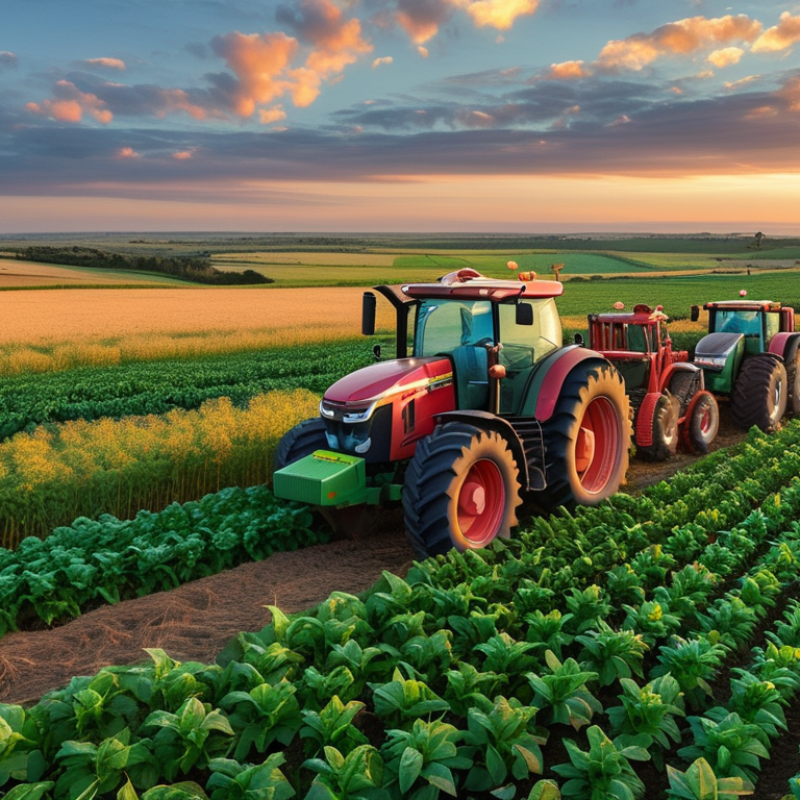
Emerging Technologies Shaping the Future of Agricultural Machinery
Emerging technologies are revolutionizing the agricultural machinery sector. Innovations in automation and data analytics are leading the way. According to the latest report from the International Society of Agricultural Engineering, the market for precision agriculture technologies is expected to reach $12 billion by 2025. Farmers now have access to advanced sensors and drones that gather vital crop data. This data can help optimize yields and reduce resource waste.
Another key trend is the rise of electric and hybrid machinery. Industry analysts predict a significant shift towards sustainable farming practices. As of 2023, electric tractors are gaining traction, with some models now available that can reduce fuel costs by up to 30%. However, challenges in battery efficiency and charging infrastructure remain. Adoption of these technologies may not be as rapid as anticipated due to these limitations.
Smart farming tools are also becoming mainstream. Tools like IoT devices allow for real-time monitoring of soil conditions. This helps farmers make informed decisions. However, many users face a steep learning curve. Integrating these technologies into existing operations can be challenging. Despite these obstacles, the benefits are clear. Enhanced productivity and better resource management may justify the investment. The future of agricultural machinery is bright, but it will require thoughtful implementation and ongoing training.
Impact of Precision Agriculture on Machinery Selection and Management
Precision agriculture is transforming how farmers approach machinery selection. By employing data-driven techniques, buyers can make informed decisions based on actual field conditions. This approach enhances efficiency and reduces waste. For instance, GPS technology allows farmers to optimize field operations. This results in better crop yields and cost savings.
Machinery management is also evolving with precision agriculture. Real-time data helps farmers monitor machine performance and maintain equipment. Predictive maintenance becomes possible, minimizing downtime and maximizing productivity. However, adopting these technologies requires initial investment and training. It's essential for farmers to consider their unique situations. Some machinery may not yet align with precision practices, leading to difficulty in integrating new systems.
Understanding these aspects is crucial for farmers. As they face new challenges, their machinery decisions must adapt to changing technologies. Staying informed about trends and innovations is necessary for long-term success. Farming practices are not one-size-fits-all. Continuous learning and adaptation will shape the future of agriculture.
Top Agricultural Machinery Trends in Precision Agriculture
Sustainability Trends Driving Demand for Eco-Friendly Farming Equipment
The demand for eco-friendly farming equipment is growing rapidly. According to a report by MarketsandMarkets, the global market for sustainable agricultural machinery is projected to increase from $16.6 billion in 2020 to $24.6 billion by 2025. This trend stems from a growing awareness of climate change and resource depletion. Farmers are increasingly seeking solutions that minimize environmental impact.
Several factors drive this demand. The shift towards organic farming practices remains a significant contributor. The USDA reported that organic farming has seen annual growth rates of nearly 10% over the past decade. Farmers are investing in machinery that can efficiently support these practices, such as precision agriculture tools that optimize resource usage. These tools can reduce water consumption and chemical runoff, which appeals to eco-conscious consumers.
Challenges exist in ensuring that sustainable machinery remains affordable. While many companies develop innovative solutions, the higher upfront costs can deter adoption. However, the long-term savings through reduced input costs and improved yields can offset these initial investments. Farmers must evaluate the trade-offs carefully. Investing in eco-friendly machinery can lead to enhanced sustainability and resilience in the face of environmental changes.
The Rise of Automation and AI in Modern Agricultural Practices
Automation and AI are transforming agriculture. Farmers now use advanced machinery that can plant, irrigate, and harvest with minimal human intervention. These technologies ensure precision and efficiency, which are critical for modern farming. Drones and sensors collect real-time data on soil health and crop vitality. This data helps farmers make informed decisions. However, integrating these technologies presents challenges.
Adopting AI requires a shift in mindset. Not all farmers are familiar with these technologies. Training is crucial. Many might find the transition daunting. Moreover, the cost of these systems can be prohibitive for smaller operations. There is a learning curve to effective use. Some farmers struggle to adapt to rapid changes. Balancing innovation with traditional practices can be difficult.
The rise of automation also raises concerns about job displacement. As machines take over tasks, fewer hands are needed in the fields. This shift could impact rural economies. It's essential to consider how to support workers during this transition. Encouraging collaboration between technology and human labor might provide a path forward. Embracing change while ensuring sustainability is key to future farming success.
Market Analysis: Key Growth Areas in Global Agricultural Machinery Industry
The global agricultural machinery industry is undergoing significant changes. The demand for innovative and smart machinery is escalating. Buyers should focus on key growth areas, such as automation and sustainability. These trends are not just about efficiency; they reflect a shift in how farming is perceived.
Embracing automation can enhance productivity. Technologies like GPS and IoT are becoming essentials. They help farmers optimize their operations. The integration of data-driven practices allows for better decision-making. However, this transition may seem daunting for some. Investing in training and support is crucial for a smooth transition. The investment may initially feel excessive.
Sustainability is another major focus in the industry. Buyers are urged to consider eco-friendly solutions. Machinery that reduces carbon footprints is increasingly important. Many consumers now prioritize environmentally responsible practices. This pressure means manufacturers must adapt their offerings. It’s essential to research options that align with sustainable practices. The path to sustainability may be challenging, but the long-term benefits are clear.

