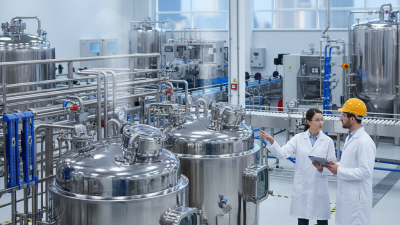
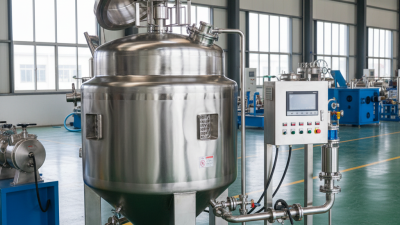
Top Heated Mixing Tank Manufacturers for Global Buyers
Choosing a heated mixing tank supplier is more complex than comparing catalog prices. Global buyers must assess thermal control, mixing performance, sanitation, documentation, and after-sales support. A polished website proves little. Evidence matters. The real proof appears in drawings, test records, material certificates, and commissioning feedback. This guide introduces leading manufacturers through a practical, evidence-based lens. It focuses on what equipment does on the factory floor.
Experienced buyers usually begin with product behavior, not brand reputation alone. A 500-liter tank may require a 316L stainless steel vessel, jacketed heating, and an anchor agitator. Viscous cream, liquid soap, and flavored syrup each demand different shaft speeds and heating profiles. Reliable manufacturers explain these choices clearly. They also provide temperature accuracy, surface finish data, weld inspection details, and factory acceptance testing. For export projects, documentation matters as much as fabrication quality. Clear manuals, spare-parts lists, packing records, and responsive technical support reduce avoidable delays.
Still, no manufacturer is perfect. Some publish impressive specifications but offer limited customization after ordering. Others build excellent tanks yet communicate poorly across time zones. That gap deserves attention. The following comparison considers engineering depth, production consistency, certifications, customization, delivery capability, and customer experience. It does not treat every claim as proven. Buyers should verify references, inspect critical documents, and match the tank to their process conditions. A careful decision may take longer. It often prevents expensive rework later.
Heated Mixing Tanks: Definition, Design, and Core Functions
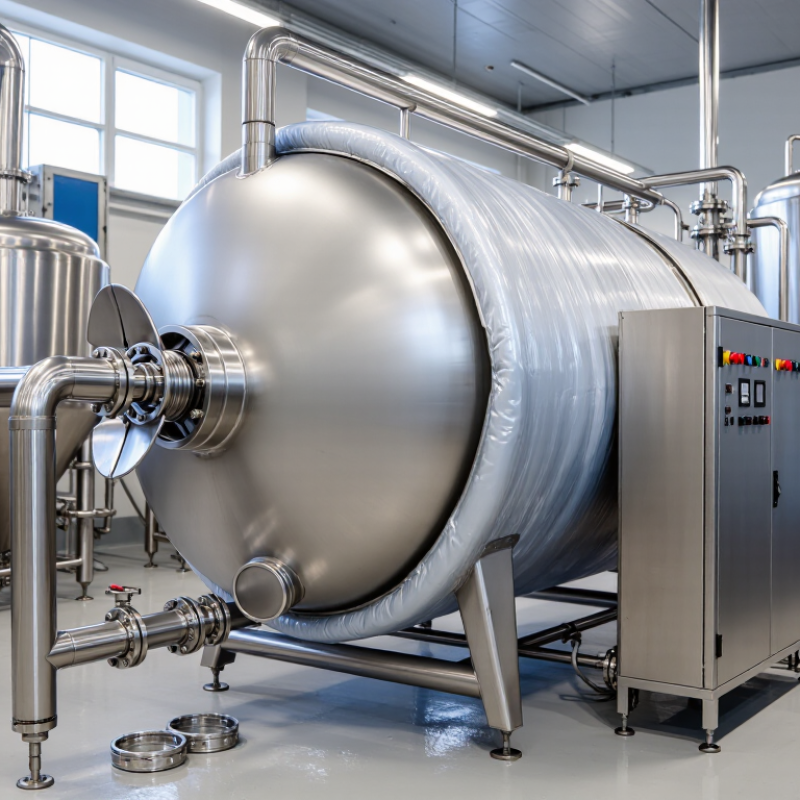
Heated mixing tanks combine controlled heating with mechanical agitation. They are used for sauces, coatings, chemicals, cosmetics, and other viscous materials. A tank usually includes a vessel, agitator, heating jacket, temperature sensor, insulation, and discharge outlet. The jacket transfers heat around the tank wall, while the agitator reduces cold spots and improves consistency.
Design depends on viscosity, batch size, heating speed, and required temperature accuracy. Anchor agitators suit thick products, while turbine or paddle designs often support lighter liquids. Food and pharmaceutical applications usually require smooth internal surfaces and hygienic drainage. MarketsandMarkets’ Industrial Mixers Market report projects the market to grow from about USD 2.2 billion in 2023 to USD 3.0 billion by 2028. This growth reflects wider demand for controlled, repeatable processing. Still, report definitions vary. Buyers should check the original methodology before comparing figures.
Tips: Ask for heat-up curves, not only rated power. Confirm whether the quoted volume is working volume or total capacity. Inspect weld quality, insulation thickness, sensor location, and cleaning access. A poorly positioned sensor can show a warm wall while the batch remains cold. That happens. Real plants are less tidy than diagrams. Also review seal materials, motor torque, control-panel compatibility, and local electrical requirements. These details often decide whether a tank performs reliably after installation.
Key Factors for Comparing Global Tank Manufacturers
Choosing a heated mixing tank manufacturer requires more than comparing prices. Start with process fit: tank volume, working temperature, product viscosity, heating method, and mixing speed. Ask how the manufacturer calculates heat transfer and agitator torque. A tank that heats syrup evenly may perform poorly with thick creams.
Material quality deserves close inspection. Request the stainless-steel grade, weld-finish details, gasket specifications, and surface roughness records. Product-contact areas should be easy to clean and inspect. Useful evidence includes factory inspection reports, pressure-test records, calibration certificates, and clear drawings. Do not accept vague statements about “high quality.”
Temperature control is another practical test. Reliable systems should limit hot spots and maintain stable readings near the tank wall and center. Ask for control accuracy, sensor placement, alarm functions, and data-recording options. Service matters too. Confirm spare-part availability, response times, installation support, and operator training. A cheaper tank can become expensive when a simple seal takes weeks to replace.
Speak with recent customers when possible. Their comments often reveal problems that brochures omit. I have seen attractive specifications fail during real production because the drain was too slow or the mixer was undersized. That is worth remembering. Manufacturers with documented testing, transparent communication, and relevant application experience usually offer safer comparisons, even when their initial quotation is not the lowest. Perfect claims deserve questions.
Top Heated Mixing Tank Manufacturers for Global Buyers
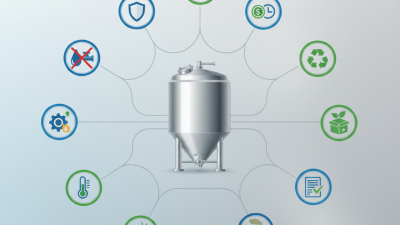
Key factors for comparing global tank manufacturers. This reference model allocates 100% of the purchasing evaluation across performance, construction, control, safety, and documentation criteria.
Heating and mixing performance receive the highest weighting because they directly affect product consistency, processing time, and operating efficiency. Material quality, automation, safety, and technical documentation are also essential for reliable international procurement.
Leading Manufacturer Categories and Regional Market Strengths
Top Heated Mixing Tank Manufacturers for Global Buyers
Leading manufacturers usually fall into three categories.
Process equipment specialists focus on thermal control, agitation, and vessel geometry. Stainless steel fabricators offer flexible sizing, polished interiors, and faster customization. Turnkey engineering firms add pumps, sensors, control panels, and installation support. The right category depends on production volume, product viscosity, and cleaning requirements.
Regional strengths can guide early supplier screening.
European manufacturers often emphasize precise temperature control, documented welding, and hygienic design. North American suppliers commonly provide strong automation support and detailed validation packages. Asian manufacturers may offer broad fabrication capacity, competitive pricing, and adaptable production schedules. Some factories handle large jacketed tanks efficiently, while others perform better with smaller, custom vessels. Regional labels help, but they can mislead.
Ask for material certificates, weld inspection records, agitator calculations, and a factory acceptance test.
Review the heating jacket design around the tank’s working volume, not only its total capacity. A 316L stainless interior may suit many hygienic processes, but gasket selection still affects reliability. During supplier visits, inspect surface finish, cable routing, and drainability. Small details matter. The lowest quotation can hide weak insulation, limited after-sales service, or expensive modifications. I have found that clear drawings prevent more problems than persuasive sales promises. Buyers should also leave room for uncertainty, because actual mixing performance may change after scale-up.
Materials, Heating Systems, and Customization Options
Top Heated Mixing Tank Manufacturers for Global Buyers
Choosing a heated mixing tank requires more than comparing prices. Experienced manufacturers explain material compatibility, heat transfer limits, and cleaning requirements. Stainless steel 316L suits many food, cosmetic, and chemical applications. Carbon steel may reduce costs, but it needs proper coating and corrosion control. For aggressive formulas, lined surfaces can offer better protection. Ask for weld inspection records, surface finish details, and testing documents before purchasing.
Tips: Match the tank material with your product’s pH, viscosity, and temperature. Check whether the jacket supports steam, hot water, or thermal oil. Electric heating can simplify installation, but it may increase operating costs. Request a temperature map, not just a controller specification. Small temperature differences can affect product quality.
Customization often includes anchor, paddle, or high-shear agitators. Scrapers can reduce residue on the vessel wall. Insulation helps maintain stable temperatures and protects operators from hot surfaces. A reliable control panel should support alarms, data recording, and emergency shutdowns. Global buyers should also confirm voltage, language settings, spare parts, and delivery documentation. I have seen technically strong tanks fail during installation because outlet sizes were overlooked. That detail deserves more attention. Manufacturer support after delivery also matters, especially when recipes change or heating performance needs adjustment.