Top Mud Pump Pulley Features for Global Buyers?
In the drilling industry, Mud Pump Pulley systems play a vital role in operational efficiency. According to a report by ResearchAndMarkets, the global drilling market is projected to grow significantly, leading to increased demand for reliable mud pump components. When selecting a mud pump pulley, buyers must consider several key features to ensure optimal performance.
Durability is crucial. High-quality materials can withstand intense mechanical forces. Moreover, proper lubrication is essential for maintaining smooth operation. An effective pulley system minimizes wear and prolongs the life of the mud pump. The design should facilitate easy maintenance, reducing downtime.
Global buyers should also be aware of the latest advancements in pulley technology. Innovative designs can enhance efficiency while lowering overall costs. However, not all products on the market meet these standards. Thus, due diligence is necessary to select trustworthy suppliers. As the market expands, understanding these features will help buyers make informed decisions about mud pump pulley systems.
Key Functions of Mud Pump Pulleys in Drilling Operations
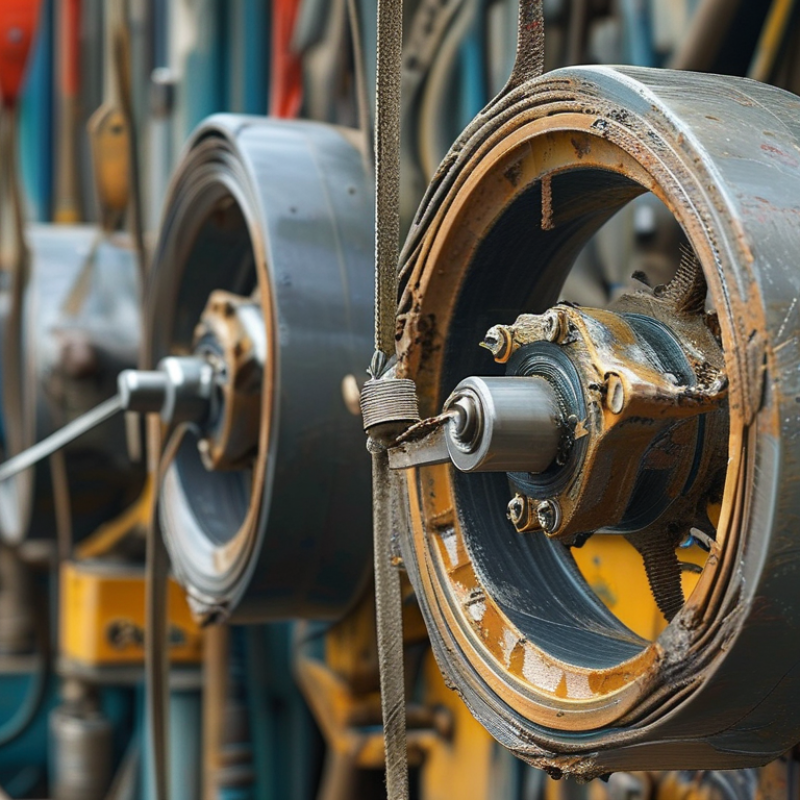
Mud pump pulleys play a vital role in drilling operations. They transfer power from the engine to the mud pump, ensuring efficient fluid circulation. A well-functioning pulley system enhances drilling efficiency and reduces wear on machinery. The design of these pulleys is crucial. They must withstand high pressure and heavy load conditions.
One key function of mud pump pulleys is to maintain optimal torque. This prevents slippage when pumping mud. Regular inspection of the pulley system can uncover wear and tear. Operators should be vigilant for unusual noises or vibrations. These signs can indicate a need for immediate maintenance.
Tips: Always monitor your mud pump’s performance. Use quality lubricants to prolong pulley life. Don't ignore any changes in operations. Addressing small issues early can prevent bigger failures down the line. Regular training for the crew also enhances safety and performance. Effective teamwork can significantly impact operation efficiency.
Material and Design Considerations for Durability and Efficiency
When selecting mud pump pulleys, material and design significantly impact durability and efficiency. Industry reports indicate that materials like high-strength steel and advanced polymers often outperform traditional options. These elements can withstand high pressures and prolong service life. The right design also ensures optimal energy transfer, minimizing power loss in the system.
One aspect to consider is wear resistance. In harsh environments, pulleys should feature surface treatments or coatings to enhance longevity. A study from the American Society of Mechanical Engineers highlights that pulleys with a hardened surface can reduce friction by up to 30%, leading to improved operational efficiency. This higher efficiency translates into reduced energy costs over time, which is crucial for global buyers.
Tip: Always assess the operating conditions before selecting materials. If the environment is particularly abrasive, opt for more robust options.
Another vital factor is ease of maintenance. Pulleys designed for simple disassembly allow for quicker inspections and repairs. Reports indicate that maintenance downtime can reduce overall productivity by as much as 25%. Choosing pulleys that are easy to maintain saves time and resources in the long run.
Tip: Implement a regular inspection schedule to catch wear before it becomes a significant issue.
Top Mud Pump Pulley Features for Global Buyers
Comparison of Different Pulley Types: Belt vs. Gear Drive Systems
When choosing a mud pump pulley, understanding the differences between belt and gear drive systems is crucial. Belt drive systems are often favored for their simplicity and lower cost. They require less maintenance and offer easy installation. However, they can suffer from slippage, which may lead to inefficiencies. Gear drive systems, on the other hand, provide a more direct transfer of power. They are typically more reliable and can handle higher torque levels, making them suitable for demanding applications.
Tips: Always check compatibility with existing systems. This ensures optimal performance and avoids unexpected issues.
While gear drives excel in reliability, they can be heavier and more complex. The integration process may require professional evaluation. Additionally, installation costs can be higher than belt systems. Users should evaluate their specific needs carefully. This analysis may reveal that a simpler option might serve just as well. Assessing your environment and possible wear factors is essential.
Tips: Consider the working conditions. Dusty or wet environments can impact performance.
The choice between these two systems should prioritize operational demands and cost-effectiveness. Creating a balance between reliability and maintenance needs is vital. Gathering feedback from past experiences can guide better decisions. Ultimately, approaching this choice requires thoughtfulness and a willingness to adapt to evolving needs.
Top Mud Pump Pulley Features for Global Buyers - Comparison of Different Pulley Types: Belt vs. Gear Drive Systems
| Feature | Belt Drive Systems | Gear Drive Systems |
| Cost | Lower initial cost | Higher initial investment |
| Maintenance | Requires frequent adjustments | Lower maintenance requirements |
| Efficiency | Moderate efficiency | Higher efficiency |
| Durability | Shorter lifespan | Longer lifespan |
| Noise Level | Higher noise levels | Quieter operation |
| Torque Transfer | Variable torque transfer | Consistent torque transfer |
Essential Specifications to Look for in a Mud Pump Pulley
When selecting a mud pump pulley, buyers must prioritize specific specifications that impact performance. The horsepower rating is crucial. A typical range is between 50 to 200 HP. This rating affects the pulley's ability to handle different drilling conditions. High-performance projects may require a pulley with a higher rating to prevent failures.
Durability is another vital feature. Materials like cast iron or high-grade steel are common. They provide strength and resist wear under extreme conditions. Reports indicate that wear-resistant coatings can extend the lifespan by up to 30%. Buyers should not overlook this specification, as working conditions can be harsh.
In terms of compatibility, the pulley should fit seamlessly with various mud pumps. AVEVA's analysis highlights that compatibility issues can lead to inefficiencies. Buyers should check for specification mismatches. This is often overlooked and can be costly in the long run. Buyers need to ensure the pulley supports optimal operational temperatures, generally ranging from -20°C to 120°C. Keeping these details in mind can lead to better purchasing decisions.
Maintenance Tips for Prolonging the Life of Mud Pump Pulleys
Maintaining mud pump pulleys is crucial for efficiency in various industries. Regular inspections help identify wear and tear. Look for cracks or unusual wear patterns. Small issues can escalate into costly repairs if ignored. Establish a routine maintenance schedule to catch these problems early.
Lubrication plays a key role in prolonging pulley life. Use the appropriate lubricant to minimize friction. Be cautious not to over-lubricate as it can attract dirt. Clean the pulleys regularly to remove contaminants. This simple step can enhance their performance significantly.
Understanding the operating environment is also vital. Pulleys exposed to harsh conditions may require more frequent checks. High-temperature environments can cause materials to degrade. It's essential to reassess maintenance practices periodically. Dreams of longevity and performance can be elusive without diligent care.

