Skip to content
Menu

How to Choose a 275 Gallon IBC Tote Tank?

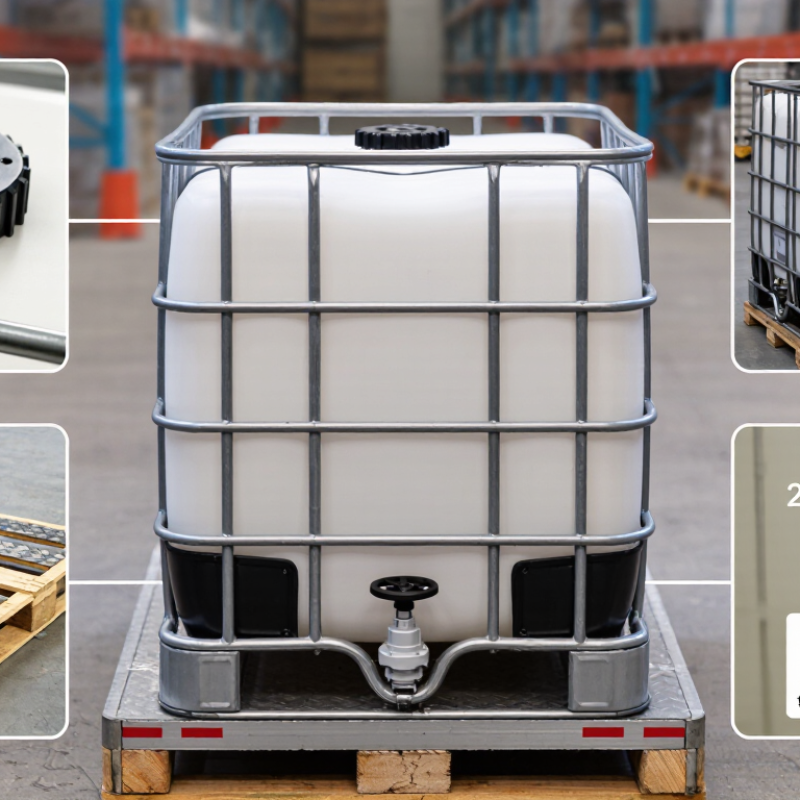
Choosing a 275 gallon ibc tote tank requires more than checking its advertised capacity. The right tank must match the liquid, handling method, storage environment, and delivery schedule. A clean white HDPE bottle may look suitable, yet its valve, gasket, cage, and pallet can determine whether it performs safely.

Packaging engineer Robert A. Huber advises, “Choose the tank around the material, not the other way around.” That principle keeps selection practical. Water, detergents, food ingredients, and industrial liquids can require different materials, fittings, closures, or documentation. A buyer should review chemical compatibility, temperature limits, outlet size, and previous contents before comparing prices.

Look closely.

A reliable evaluation also includes the tank’s history. New units offer predictable specifications, while reconditioned units may provide value after documented inspection and appropriate cleaning. Check for cracks near the lower corners, bent cage bars, cloudy plastic, damaged threads, and weakened pallets. Confirm the footprint fits your forklift, warehouse aisle, rack, or transport platform. A full tank can weigh substantially more than the container itself, so handling equipment matters.

The convenient answer is often incomplete. Many buyers focus on gallons and overlook discharge control or return logistics. I have seen specifications appear clear until the connection type failed to match existing equipment. This guide will compare construction, compatibility, certification markings, inspection points, and supplier questions. It will help readers choose a 275 gallon ibc tote tank based on actual operating conditions, not merely a low purchase price. Supplier records and current technical documents should always support the final decision.

How to Choose a 275 Gallon IBC Tote Tank?

Define Your IBC Tote Tank Capacity and Intended Application

How to Choose a 275 Gallon IBC Tote Tank?

A 275-gallon IBC tote holds approximately 1,041 liters at its rated capacity. That figure is not your working volume. Leave headspace for thermal expansion, movement, and safe filling. In practice, many users plan for about 90 to 95 percent of the stated capacity. The exact amount depends on the liquid and operating temperature.

Start by identifying the intended application. Water, detergents, oils, agricultural liquids, and food ingredients may require different tank materials and fittings. Check chemical compatibility using the liquid’s safety data and the manufacturer’s technical information. Density also matters. A dense liquid creates greater stress on the container and handling equipment. Viscous liquids may need wider outlets or suitable pumps.

Think about the site, too. Measure doorways, pallet access, and storage height before ordering. A filled tote can weigh more than 2,000 pounds, depending on the liquid. The floor must support that load without shifting. I have seen capacity plans fail because the tank fit the product but not the room. It is an easy mistake. Review outlet size, valve type, liner condition, and local storage requirements before purchase. A small volume calculation can prevent a costly mismatch.

How to Choose a 275 Gallon IBC Tote Tank?

Define your IBC tote tank capacity and intended application before selecting a container.

A 275 US gallon IBC tote has a nominal capacity of approximately 1,041 liters. The chart shows the available liquid volume at common fill levels, helping you allow headspace for thermal expansion, handling, and transport. Actual operating limits depend on the liquid, container design, temperature, and applicable safety requirements.

Capacity conversion: 1 US gallon = 3.78541 liters. Select the fill level and material compatibility according to your intended application, such as water storage, liquid ingredients, process fluids, or compatible chemicals.

Compare Tank Materials, Construction, and Regulatory Requirements

How to Choose a 275 Gallon IBC Tote Tank?

A 275-gallon IBC tote usually combines a high-density polyethylene inner bottle, a steel cage, and a pallet base. Material matters. HDPE resists many acids, alkalis, and water-based products, but compatibility depends on concentration, temperature, and storage time. Check the product’s chemical compatibility data before filling the tank.

A clear or translucent bottle helps monitor liquid level, while an opaque design can reduce light exposure.

Construction affects safe handling. Inspect the cage welds, corner posts, valve, gasket, and bottom pallet before purchase. Check the cage. A bent frame may weaken during lifting or stacking.

Look for reinforced lifting points and a drain valve that matches your hose connection. Some tanks use plastic pallets, while others use steel or composite bases.

Each option suits different floors, forklifts, and cleaning routines. A tank that fits the space may still be difficult to move.

Regulatory requirements depend on the liquid, location, and transport method. For regulated transport, verify the tank’s UN marking, test date, allowable contents, and inspection records.

Food, drinking water, agricultural, and industrial applications may require different certifications. Do not assume a recycled tote meets your needs. Its previous contents can affect cleanliness and compatibility.

This detail is often overlooked. Ask for traceable documentation, supplier specifications, and current inspection evidence.

Requirements can change, so confirm them with the relevant authority before filling or shipping.

Choose the Appropriate Inlet, Outlet, Valve, and Fitting Configuration

Choosing a 275 gallon IBC tote tank begins with its connections, not its capacity. The inlet should match your filling hose, transfer pump, and expected flow rate. A wide opening supports faster filling and easier inspection, while a smaller threaded port can reduce splashing. Check the venting arrangement carefully. A sealed tank may deform during filling or draining.

The outlet should sit at the lowest practical point for efficient drainage. Choose a valve that suits the liquid, temperature, and required flow. A full-port ball valve usually offers smooth discharge and simple operation. However, valve material and gasket composition matter more than appearance. Confirm chemical compatibility before purchase. It is easy to overlook this step. I would recheck it.

Fittings must match the outlet thread, hose size, and connection method. Thread standards can look similar but still fail to seal. Use the correct gasket, adapter, or quick-connect coupling for the application. Avoid forcing mismatched parts together. A fitting that leaks under gravity may fail faster with pump pressure. Measure the outlet before ordering, and record its diameter, thread type, and valve position. Leave enough clearance below the valve for a bucket, hose, or drain tray. This small detail often determines whether the tote is convenient or frustrating to use.

Evaluate Tank Condition, Safety Features, and Transport Compatibility

When choosing a 275-gallon IBC tote, inspect the tank before discussing price. A full water load weighs about 2,294 pounds, excluding the container. Check for bulging, cracks, chemical staining, brittle plastic, and damaged welds. The inner bottle should sit evenly inside its metal cage. A distorted frame can shift the center of gravity during lifting. It happens more often than buyers expect.

Safety features deserve documented proof. The UN Recommendations on the Transport of Dangerous Goods, Chapter 6.5, require IBC design testing for leakproofness, stacking, hydrostatic pressure, and drops. Ask for the UN marking and test information, not vague claims. Confirm the valve, cap, gasket, and bottom discharge guard are compatible with the intended liquid. Material compatibility charts are useful, but they are not perfect. Temperature, concentration, and storage time can change performance.

Transport fit is equally practical. Measure the pallet footprint, forklift openings, truck bed, and door clearance. A filled tote can exceed one metric tonne, so verify the vehicle’s payload and tie-down points. The U.S. Federal Motor Carrier Safety Administration emphasizes proper cargo securement and load-limit compliance in its cargo securement guidance. Use straps that control movement without crushing the cage. Leave room for safe valve access. A clean-looking tote may still be unsuitable after years of outdoor exposure. When records are missing, treat that uncertainty as a real condition, not a minor paperwork issue.

Verify Supplier Standards, Maintenance Needs, and Total Ownership Cost

How to Choose a 275 Gallon IBC Tote Tank?

Verify Supplier Standards, Maintenance Needs, and Total Ownership Cost

A 275-gallon IBC tote should begin with documentation, not price. Ask for the tank’s manufacture date, material specification, inspection records, and applicable UN performance certification. The UN Recommendations on the Transport of Dangerous Goods requires tested packaging for regulated transport. Certification alone is not enough. Confirm that the certificate matches the container design and intended liquid.

Inspect the cage, pallet, valves, seals, and top opening. A clean exterior can mislead. Look for bent steel, whitening plastic, cracks, distorted outlets, and brittle gaskets. The Container Owners Association recommends regular inspection of reusable bulk containers, especially after handling damage. Maintenance costs often include valve replacement, cleaning, testing, storage, and disposal. They are easy to overlook.

Ownership cost deserves a simple worksheet. Add purchase price, freight, cleaning, repairs, downtime, and return logistics. The U.S. Environmental Protection Agency reported 14.5 million tons of plastic containers and packaging generated in 2018, with only 2.5 million tons recycled. Reuse can reduce waste, but only when the tote remains safe and serviceable. A used tank may save money. It may also need immediate maintenance. I would not assume the lowest quote is the best value. Check supplier response times, replacement-part availability, and written inspection support before ordering.

How to Choose a 275 Gallon IBC Tote Tank? - Verify Supplier Standards, Maintenance Needs, and Total Ownership Cost
Evaluation Area What to Verify Before Purchase Typical Data or Practical Standard Maintenance and Usage Implications Total Ownership Cost Impact
Capacity
Nominal Volume
Confirm that the stated capacity is 275 US gallons and determine whether the usable fill volume is lower than the nominal capacity. 275 US gal is approximately 1,041 liters. A headspace allowance is normally required for liquid expansion and safe handling. Avoid overfilling. Leave sufficient expansion space, especially when the liquid may warm during storage or transport. A correctly sized tank reduces product loss, overflow cleanup, and the need for additional containers.
Construction
Inner Bottle Material
Request the resin type, wall-construction details, chemical-compatibility information, and manufacturing date or lot traceability. Common inner bottles are made from high-density polyethylene. Compatibility depends on the specific chemical, concentration, temperature, and exposure time. Inspect for whitening, swelling, soft spots, cracks, deformation, and chemical attack before each reuse. A compatible bottle can prevent premature replacement, leaks, product contamination, and disposal expenses.
Protection
Outer Cage and Pallet
Check weld quality, cage alignment, pallet condition, corrosion protection, lifting points, and the condition of the bottom support rails. A rigid metal cage and a stable pallet should keep the bottle supported during normal movement. Forklift openings should be clearly defined and undamaged. Keep the cage dry and clean. Remove corrosion early and do not use a tank with bent supports or damaged forklift pockets. A strong cage lowers the risk of impact damage, handling incidents, liquid loss, and replacement of the complete unit.
Supplier Standards
UN Certification
For regulated dangerous goods, verify the UN packaging mark, certification scope, test level, manufacturing date, and whether the approval applies to the intended liquid. A common rigid combination IBC designation is UN 31HA1/Y. The exact marking and performance level must match the material and transport regulations. Do not assume certification remains valid after severe impact, unauthorized repair, structural damage, or use outside the approved application. Proper certification helps avoid rejected shipments, regulatory penalties, repacking, and costly transport delays.
Food and Water Use
Documentation
Ask for food-contact or potable-water documentation when required, along with cleaning records and confirmation that the tank has not previously held incompatible substances. A tank described as “clean” is not automatically suitable for food or potable water. Material declarations and prior-use records are essential. Use dedicated tanks where possible. Follow a documented cleaning, rinsing, drying, and inspection procedure. Verified history reduces contamination risk, rejected product, laboratory testing, and disposal costs.
Outlet System
Valve and Gasket
Confirm outlet size, valve type, gasket material, thread or flange configuration, cap condition, and availability of compatible replacement parts. Many IBC designs use a bottom outlet in the approximately 50–75 mm range, but dimensions vary and must be measured before ordering fittings. Check for drips, damaged threads, gasket wear, blocked outlets, and accidental valve movement. Keep the protective cap installed when not dispensing. Compatible fittings reduce adapter purchases, leakage, downtime, and product transfer losses.
Closure
Top Opening and Venting
Verify top-opening diameter, cover seal, vent design, pressure limitations, and whether the application needs controlled venting or a separate breather filter. Large top openings simplify inspection and cleaning. An IBC is generally a storage container, not a pressure vessel, unless specifically designed and approved otherwise. Keep the cover sealed against dust and rain. Never pressurize the tank unless the manufacturer explicitly permits it. Good closure and vent control limit contamination, evaporation, swelling, and unplanned product loss.
Dimensions
Site and Transport Fit
Obtain the actual length, width, height, tare weight, filled weight, and clearance requirements from the supplier’s specification sheet. Many 275-gallon IBCs use a footprint close to a standard industrial pallet, but dimensions and heights vary. Filled weight depends on liquid density. Maintain level, load-bearing flooring and adequate clearance for inspection, valve access, forklift movement, and emergency response. Correct fit reduces storage modifications, handling time, relocation work, and transport surcharges.
Load Safety
Stacking and Handling
Request the rated stacking limit, filled and empty handling instructions, forklift requirements, and any restrictions for outdoor storage. Stacking limits are design-specific and must be confirmed from the supplier. Do not stack damaged, leaking, or unsupported units. Inspect the pallet and cage before lifting. Move the tank only when the valve is protected and the load is stable. Safe handling reduces damaged containers, workplace incidents, spills, and insurance-related costs.
Inspection
Incoming Quality Check
Record serial or lot information and inspect the bottle, cage, pallet, valve, cap, gasket, welds, and visible contamination immediately upon delivery. The unit should arrive without cracks, punctures, severe dents, leaking fittings, missing components, or unexplained residue. Photograph and document defects before acceptance. Quarantine questionable units instead of placing them into service. Early rejection is usually less expensive than discovering a leak after filling or shipment.
Maintenance
Cleaning and Reuse
Confirm whether the tank is new, reconditioned, or reused and obtain the cleaning method, inspection record, and previous-content declaration. Cleaning requirements depend on the previous and next contents. Some chemicals require specialized decontamination or make reuse unsuitable. After emptying, drain completely, clean as required, dry before storage, and inspect all surfaces before refilling. Reusable tanks may lower unit cost, but cleaning, testing, labor, and hazardous-waste handling must be included in the calculation.
Storage Conditions
UV and Temperature
Check the permitted storage temperature, UV-resistance information, weather exposure limits, and requirements for shade or secondary containment. Polyethylene can degrade under prolonged ultraviolet exposure, while extreme heat or cold can affect strength and liquid behavior. Store away from direct sunlight when practical and protect from freezing, excessive heat, sharp edges, and standing water. Appropriate storage extends service life and reduces replacement frequency and weather-related failures.
Spill Control
Secondary Containment
Determine whether local rules, the liquid hazard classification, or the site risk assessment requires a bund, spill pallet, containment basin, or leak-detection system. The required containment volume is jurisdiction- and application-specific. It should be selected based on the largest credible release and applicable regulations. Inspect containment areas for cracks, drain blockage, accumulated liquid, and loss of capacity. Secondary containment adds purchase and cleaning costs but can greatly reduce remediation, downtime, and regulatory exposure after a spill.
Supplier Support
Parts and Warranty
Confirm replacement valve and gasket availability, technical documentation, warranty terms, delivery time, and after-sales inspection support. Essential replacement parts should be identifiable by size, material, and configuration rather than by appearance alone. Use compatible parts and keep spare caps, gaskets, and valves where downtime would affect operations. Reliable parts availability reduces downtime and prevents replacing an otherwise serviceable tank.
Total Ownership Cost
Cost Calculation
Compare purchase price, freight, fittings, containment, inspection, cleaning, labor, storage, disposal, replacement parts, and expected service life. A useful calculation is: purchase price + transport + accessories + maintenance + cleaning + compliance + disposal − residual or reuse value. Track leaks, repairs, cleaning hours, rejected loads, and replacement dates to improve future purchasing decisions. The lowest purchase price may not be the lowest total cost if documentation, compatibility, durability, or parts support is inadequate.
Note: Dimensions, load limits, certifications, compatibility, service life, and legal requirements vary by design and application. Always verify the current supplier specification sheet and applicable local transport, storage, workplace-safety, and environmental regulations before purchase or use.