Skip to content
Menu

How to Choose a Large Water Tank in 2026?

Choosing a large water tank in 2026 involves more than measuring available space. The right model must match your water source, usage pattern, climate, and installation site. A household may need steady reserve water, while a farm, factory, or emergency system may require higher flow rates and stronger structural support. Capacity matters, but oversized storage can increase cost, cleaning demands, and stagnant-water risks.

A practical decision begins with real consumption records. Check daily use, delivery schedules, rainfall, and possible interruptions. Then compare polyethylene, steel, concrete, and other approved materials. For drinking water, confirm that the tank is certified for potable use and supplied with suitable fittings. Inspect wall thickness, UV resistance, lids, vents, overflow pipes, and access points. Small details matter. A weak base can damage a full tank within months.

Site conditions deserve equal attention. Measure doorways, vehicle access, ground slope, and clearance for future maintenance. In windy or seismic areas, ask a qualified professional about anchoring and local structural requirements. Reputable suppliers should provide technical data, warranty terms, cleaning guidance, and installation instructions. Do not rely on attractive photographs alone.

A bigger tank is not always better. That sounds obvious. It is not. I have seen buyers focus on litres while overlooking foundation design and pump compatibility. This guide examines the decisions behind a reliable large water tank, including sizing, materials, safety, maintenance, and long-term value. Some recommendations will depend on your site. Careful checking remains essential.

How to Choose a Large Water Tank in 2026?

Define Your Large Water Storage Needs and Available Space

How to Choose a Large Water Tank in 2026?

Start with demand, not tank size. The U.S. Environmental Protection Agency reports that an average family uses more than 300 gallons of water daily. Outdoor use can represent nearly 30% of that total. Your household may use far less, especially with efficient fixtures. Measure actual consumption for one week. Include drinking, cooking, cleaning, irrigation, and livestock needs. The WHO Domestic Water Quantity, Service Level and Health report identifies about 50 liters per person daily as a practical planning benchmark for basic hygiene. It is only a benchmark. Real demand changes with climate and habits.

Available space matters just as much. A 5,000-liter tank needs a stable, level foundation and service access. Leave room for inspection, inlet pipes, overflow lines, and safe cleaning. Check the roof load if the tank sits above ground. For rainwater, estimate yield with this formula:

rainfall in millimeters × roof area in square meters × runoff factor.

A 100-square-meter roof receiving 20 millimeters of rain may collect about 1,600 liters, using an 0.8 runoff factor. Small errors become large volumes. My first estimate is often too optimistic.

Tips: Record daily use before buying. Sketch the tank footprint with access space. Add storage for dry periods, but avoid excessive capacity. Stagnant water can create maintenance problems. Review local installation requirements with a qualified professional.

Compare Tank Materials, Shapes, and Structural Designs

How to Choose a Large Water Tank in 2026?

Compare Tank Materials, Shapes, and Structural Designs

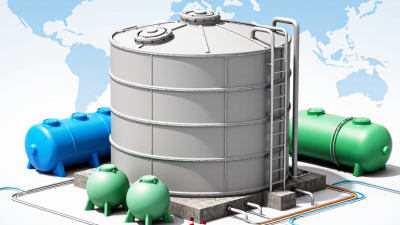
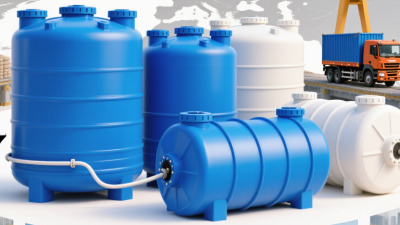
Choosing a large water tank starts with the water, soil, and available space. Polyethylene tanks resist corrosion and suit many outdoor installations. Steel tanks provide high strength, but their coatings need regular inspection. Concrete tanks handle large capacities well, especially underground. However, cracks and poor waterproofing can create expensive problems. Fiberglass offers a smooth interior and stable performance, though impact damage may be difficult to notice.

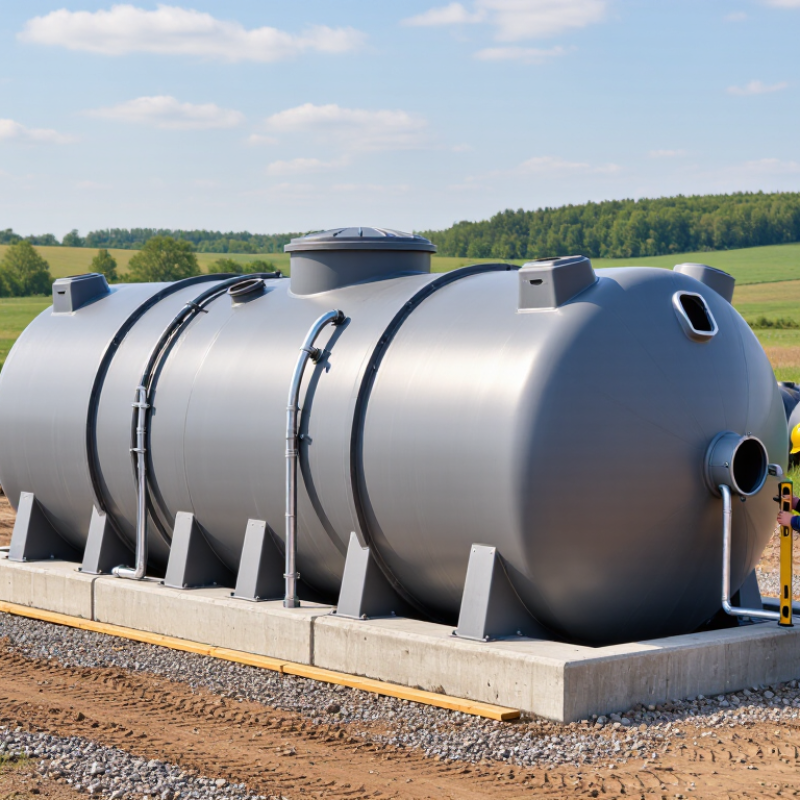
Shape changes both capacity and installation cost. A vertical cylindrical tank uses limited ground area and works well beside buildings. A horizontal tank fits lower-clearance sites, but it needs strong supports and careful leveling. Rectangular tanks maximize narrow rooms. They may experience greater wall pressure at the corners. Underground tanks save surface space, yet drainage and access become critical.

Structure matters as much as material. Check wall thickness, reinforcing ribs, roof strength, inlet size, overflow routing, and maintenance access. A full tank can weigh several tonnes, so the foundation must distribute its load evenly. Anchoring may be necessary in windy or flood-prone areas. Local construction requirements should guide the final design, not online photographs.

I have seen projects fail through small oversights. A shaded location still needed ventilation around the tank. A seemingly flat base was not level enough. Measure twice. Ask for test data, installation instructions, and cleaning procedures before purchase. A qualified engineer should review unusual loads, elevated tanks, and underground installations.

Evaluate Capacity, Water Quality, and Environmental Requirements

How to Choose a Large Water Tank in 2026?

Selecting a large water tank starts with actual demand, not the biggest available model. Estimate daily use from residents, equipment, irrigation, and cleaning routines. Add storage for dry periods and unexpected supply interruptions. A practical formula is daily demand multiplied by required backup days, plus a safety margin. However, a margin that is too large can increase stagnation and maintenance problems. I learned this during a site review where a rarely used tank developed noticeable odor.

Water quality depends on tank material, design, and maintenance access. For drinking water, choose a tank made from certified food-contact materials. Its interior should be smooth, opaque, and easy to clean. A sealed lid, screened vents, and safe overflow routing help prevent dust, insects, and surface runoff from entering. Check whether the tank supports inspection, sediment removal, and periodic disinfection. A tank can be technically certified but still perform poorly when cleaning is difficult.

Tips: Measure the installation area before ordering. Include space for valves, ladders, and service access. In hot regions, reduce direct sunlight and consider temperature control. In cold climates, assess freezing risks and insulation needs. Wind, soil strength, flooding, and seismic conditions also affect tank safety. Local building, water-quality, and environmental requirements should guide the final design. Do not rely only on supplier calculations; have an experienced engineer verify the foundation and operating loads. One overlooked drain line can create expensive trouble.

How to Choose a Large Water Tank in 2026? — Evaluate Capacity, Water Quality, and Environmental Requirements
Evaluation Dimension Measured Data or Typical Range How to Evaluate the Tank Recommended Selection Guidance Environmental or Operational Note
Stored Water Use Potable water, rainwater, irrigation water, process water, or emergency reserve Identify the water source, intended use, treatment level, and whether the water will be consumed by people or animals. Use a tank specifically suitable for the intended water type. Do not use a non-potable tank for drinking-water storage. Water used for drinking requires hygienic materials, a covered design, and a documented cleaning and inspection plan.
Daily Domestic Demand 50–100 L per person per day is a practical preliminary planning range for household storage; actual demand varies by climate, fixtures, habits, and local requirements. Multiply the number of users by the expected daily consumption. Preliminary daily demand = occupants × daily allowance. Add separate allowances for irrigation, livestock, cleaning, or process use. This is a planning range, not a universal legal requirement. Local water regulations and site data should take priority.
Storage Autonomy Common planning target: 1–3 days for routine household backup; longer periods may be required in remote or unreliable supply areas. Determine how long the tank must supply demand without replenishment. Usable capacity = daily demand × required storage days. Include a separate reserve if emergency or fire-water storage is required. Fire-water volume should not be assumed to be available for domestic use unless the system is specifically designed and approved for both purposes.
Usable Capacity Nominal tank volume is not always fully usable because of outlet height, sediment space, overflow level, and freeboard. Compare the required usable volume with the manufacturer-stated nominal volume and operating levels. Select a nominal volume that exceeds the calculated usable demand. Confirm the minimum operating level and residual volume. A level sensor, low-level alarm, and clearly marked overflow can help prevent unexpected service interruption.
Rainwater Harvesting Capacity 1 mm of rainfall on 1 m² of catchment area produces approximately 1 L of water before collection losses. Estimate annual or seasonal rainfall, roof area, runoff coefficient, and demand during dry periods. Harvested water ≈ rainfall depth × catchment area × runoff coefficient. Use a conservative runoff coefficient, commonly about 0.75–0.90 for smooth roofs, subject to local conditions. Install a leaf screen, first-flush diverter, screened inlet, and covered tank to reduce sediment and biological contamination.
Tank Size Range Small systems may use 1,000–5,000 L; larger domestic or agricultural systems may require 10,000–50,000 L or more. Check demand, refill reliability, available footprint, delivery access, structural loading, and budget. Choose the smallest tank that satisfies the calculated usable volume and future demand without excessive stagnation. Oversizing can increase installation cost and may increase water age if the tank is rarely refreshed.
Material for Potable Water Common options include certified polyethylene, fiberglass-reinforced plastic, concrete, and stainless steel. Verify that the wetted material, coatings, sealants, fittings, and internal components are suitable for potable water. Request independent documentation showing compliance with applicable drinking-water contact requirements, such as NSF/ANSI/CAN 61 or an equivalent local standard. Certification should apply to the complete water-contact configuration, not only to the tank shell.
Light Protection Light entering the tank can support algae growth, especially where nutrients and warm temperatures are present. Inspect the lid, access hatch, seams, vents, and translucent areas for light penetration. Use an opaque or adequately light-blocking tank with a tight-fitting, lockable cover. Dark-colored water tanks generally reduce light transmission, but color alone does not replace hygienic design or cleaning.
Water Temperature Water quality can deteriorate faster when stored water becomes warm; temperature performance depends on climate, exposure, color, and tank insulation. Assess solar exposure, ambient temperature, shading, and expected turnover rate. Place the tank in shade where practical, minimize heat gain, and avoid locations exposed to prolonged direct sunlight. Do not place potable-water tanks near chemicals, fuels, pesticides, sewage systems, or other contamination sources.
Inlet, Outlet, and Overflow Fittings must match pipe diameter, flow rate, pressure, and connection type. Overflow capacity should handle the maximum expected inflow. Check hydraulic losses, emergency overflow routing, backflow risk, and drain-down requirements. Use a screened vent, protected overflow, isolation valve, drain point, and backflow prevention where required. Overflow water should be routed away from foundations, electrical equipment, slopes vulnerable to erosion, and neighboring property.
Foundation and Ground Conditions Water weighs approximately 1,000 kg per m³; a full 10,000 L tank holds about 10,000 kg of water before the tank weight is added. Confirm soil bearing capacity, settlement risk, drainage, seismic conditions, wind exposure, and access for installation. Use a level, stable, engineered base that fully supports the tank bottom and follows local structural requirements. A large tank should not be placed on unstable fill or an inadequately supported slab. Local engineering review may be necessary.
Wind and Seismic Restraint Risk depends on tank height, diameter, location, anchorage, water level, wind speed, and seismic design category. Review local wind and seismic requirements, particularly for elevated, exposed, or partially filled tanks. Specify anchorage, hold-downs, flexible pipe connections, and structural calculations where required. A partially full tank can experience different loads from a full tank; restraint design should consider the operating range.
Water Turnover Water age increases when inflow is low and storage volume is excessive relative to demand. Estimate the time required to replace the stored water under normal use. Prefer a size that provides the required reserve while maintaining regular turnover. Use a first-in, first-out inlet and outlet arrangement when practical. Long storage periods may require additional monitoring, flushing, disinfection, or treatment based on the intended use.
Cleaning and Inspection Inspection frequency depends on water source, sediment load, climate, treatment, and local rules. Check whether the tank has safe access, a drain, removable screens, and enough clearance for inspection. Choose a design that can be drained, cleaned, and disinfected without damaging the tank or contaminating the surrounding area. Never enter a tank without a documented confined-space procedure, atmospheric testing, trained personnel, and appropriate rescue controls.
Water Quality Monitoring Potential parameters include appearance, odor, turbidity, pH, disinfectant residual, and microbiological indicators, depending on use. Define monitoring requirements before purchase, especially for drinking water, public facilities, and food-related processes. Provide sampling points that allow representative samples without exposing the tank to contamination. A tank does not make untreated source water safe to drink. Treatment and testing must match the source and intended use.
Freeze Protection Water expands by approximately 9% when it freezes, which can damage tanks, valves, and pipework. Consider local minimum temperature, frost depth, exposure, pipe routing, and seasonal operation. Use insulation, buried pipework, heat tracing, circulation, or seasonal draining where appropriate and permitted. Protect valves and exposed fittings as carefully as the tank itself; a frozen connection can interrupt the entire system.
Sustainability and Service Life Assess recycled content, recyclability, repairability, expected service life, transport weight, and replacement requirements. Compare the complete life-cycle impact rather than judging sustainability by material type alone. Prefer durable, repairable systems with replaceable fittings and documented end-of-life recycling or disposal routes. Reducing leaks, preventing overflow, selecting an appropriate size, and maintaining the system can lower environmental impact more effectively than oversizing.
Final Decision Checklist Capacity, water-contact approval, structural suitability, climate exposure, fittings, maintenance access, and installation cost Verify technical documents, local permits, site conditions, and total installed cost before ordering. Select the tank only after confirming both the required usable volume and the site-specific environmental and regulatory conditions. The correct large water tank is the one that meets demand safely, preserves water quality, withstands local conditions, and remains maintainable throughout its service life.
Planning note: Capacity calculations are preliminary guidance. Final selection should be checked against applicable building, plumbing, drinking-water, fire-safety, environmental, and structural requirements in the installation location.

Check Installation, Maintenance, Safety, and Local Regulations

How to Choose a Large Water Tank in 2026?

Installation conditions should guide tank selection, not storage volume alone. Measure the foundation, access route, soil strength, drainage, and vehicle clearance. A full tank can weigh several tonnes. The U.S. Environmental Protection Agency’s 2023 Drinking Water Needs Survey estimated $625 billion in infrastructure needs over 20 years. That figure reflects how expensive poor planning becomes. Ask a licensed engineer to verify anchoring, wind resistance, seismic loads, and overflow routing. I once underestimated maintenance access. It made a simple inspection unnecessarily difficult.

Local regulations may require permits, backflow protection, fire separation, or approved materials for potable water. Requirements differ between municipalities. Confirm them before ordering. The World Health Organization’s Guidelines for Drinking-water Quality recommend risk-based water safety planning from source to consumer. Therefore, select a tank with a sealed lid, screened vents, safe inlet protection, and a drain that cannot contaminate nearby soil. Avoid placing it beneath trees or near chemical storage. Small details matter.

Maintenance should be practical enough to happen regularly. Inspect the roof, seams, bolts, ladders, overflow, and sediment every six to twelve months. Test water quality according to local health guidance. Never enter a tank without a formal confined-space procedure. The 2023 WHO and UNICEF Joint Monitoring Programme reported that 2.2 billion people lacked safely managed drinking water in 2022. Reliability is not only capacity. It is clean access, documented inspections, and repairable components. My own weak point is recordkeeping, so a simple inspection log is worth keeping.

Assess Total Costs, Durability, and Long-Term Value

How to Choose a Large Water Tank in 2026?

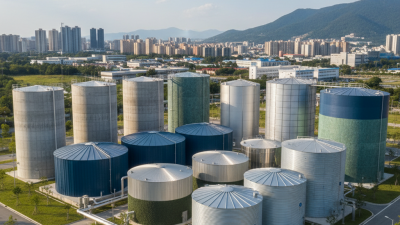
A low purchase price rarely shows the full cost of a large water tank. Include delivery, lifting, site preparation, pipework, filtration, cleaning, and future repairs. UNESCO’s 2024 World Water Development Report states that agriculture uses roughly 70% of global freshwater withdrawals. This makes storage efficiency more important for farms, facilities, and emergency reserves. Compare usable capacity, not only the advertised volume. A tank may lose capacity through sediment, fittings, or required safety space.

Durability depends on material, wall design, ultraviolet protection, temperature changes, and installation quality. Ask for test records, warranty conditions, and maintenance guidance based on recognized standards, such as relevant ASTM specifications. The U.S. Environmental Protection Agency reports that household leaks waste nearly one trillion gallons of water annually in the United States. A poorly sealed connection can create similar waste at a larger scale. Check every joint. Small failures become expensive.

Tips: Request a complete five-year cost estimate. Include inspections and cleaning. Compare expected service life against replacement cost. A cheaper tank can still be the better choice, but only with reliable site conditions and careful installation. I would not trust a capacity figure without checking usable volume and operating limits. That is where many comparisons become misleading. Also review local water quality, because sediment and chemicals can shorten service life. A spreadsheet helps, although real maintenance costs remain uncertain. Recognize that uncertainty before signing.