Why Choose an IBC Storage Tank for Bulk Liquids?
Bulk liquids demand storage that is practical, predictable, and easy to move. An ibc storage tank can meet those needs in warehouses, production areas, and distribution settings. Its familiar design combines a rigid outer cage, a pallet base, and a replaceable inner container. That structure can help teams handle oils, process water, ingredients, or other compatible liquids with fewer separate packages. The exact application matters. Not every liquid suits every tank.
For many operations, the appeal is straightforward. A forklift can move a filled unit, while the compact footprint helps use floor space efficiently. The outlet valve also makes controlled dispensing easier than pouring from drums. Small details count. Check the liquid’s compatibility with the liner, the tank’s capacity, and the condition of its fittings before use. Manufacturer guidance should inform those choices, especially when temperature, density, or cleaning requirements vary.
Still, an IBC is not automatically the best answer. A tank that saves space may be awkward to clean, inspect, or return when supply routes are limited. I have seen storage plans focus on purchase price and overlook handling routines; that can create avoidable work later. Reliable selection means matching the container to the liquid, the site, and the people who will use it. This guide examines the practical advantages, key selection factors, and limitations of IBC storage tanks, so buyers can make a decision grounded in their actual operating conditions—not just a product specification.
What an IBC Storage Tank Is and How It Is Built
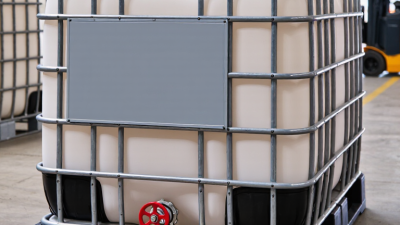
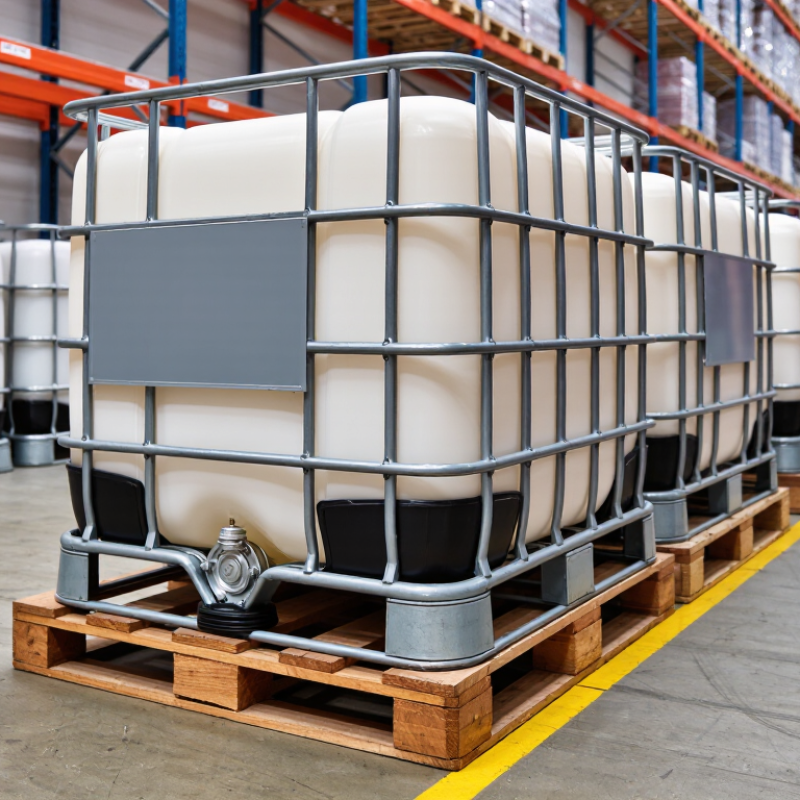
An intermediate bulk container, or IBC, is a reusable or single-use unit designed to hold and move substantial quantities of liquid. Its familiar shape is practical: a large inner vessel sits inside a rigid outer frame, with a pallet-style base for lifting by forklift or pallet jack. The frame helps resist impacts during handling. The base keeps the container steady. That matters.
The inner vessel is commonly molded from high-density polyethylene, though construction varies by liquid and service conditions. A metal cage surrounds it, often using welded steel bars, while the base may be steel, plastic, or a combination of materials. At the top, a capped opening allows filling; a valve near the bottom supports controlled discharge. Small details count. A gasket, cap, or valve that does not fit properly can lead to leaks.
Before selecting an IBC, check the vessel material, fittings, and documented capacity against the liquid’s properties and storage conditions. Temperature, sunlight, and repeated handling can affect service life. IBCs can look interchangeable, but they are not always. Inspect the cage, pallet, seams, and valve for wear or damage before use. Even a minor dent deserves a closer look.
Why Choose an IBC Storage Tank for Bulk Liquids?
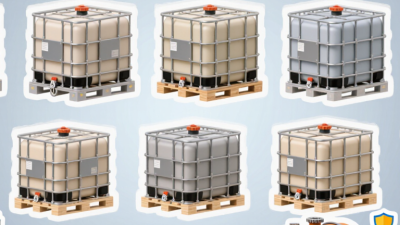
An Intermediate Bulk Container (IBC) is a reusable bulk-liquid tank commonly available in 600, 800, and 1,000 litre nominal capacities. A typical composite IBC is built with an inner high-density polyethylene bottle, a rigid tubular steel cage for protection, and a pallet-style base for handling by forklifts or pallet trucks. The capacities shown are nominal ratings; the safe fill level depends on the liquid, container design, temperature, and applicable regulations.
Which Bulk Liquids Can Be Stored in an IBC
An IBC storage tank can hold many bulk liquids, but the container material matters. Water, liquid food ingredients, vegetable oils, and mild cleaning solutions are common choices. Some tanks also suit liquid fertilizers and approved industrial chemicals. Always check the tank specification before filling it.
High-density polyethylene tanks resist moisture and many non-corrosive liquids. However, strong acids, solvents, and oxidizing chemicals may damage the inner wall. A compatibility chart and the liquid’s safety data sheet should guide the decision. For food or drinking water, use a tank with suitable certification and a clean, sealed outlet.
Not every liquid belongs in an IBC. Flammable liquids require specially rated containers, grounding, ventilation, and controlled handling. Temperature also matters. Heat can expand the liquid and weaken fittings. In daily operations, residue from a previous load can contaminate a new one, even when the tank looks clean. That detail is easy to miss. Inspect valves, caps, pallets, and labels before use. Choosing the cheapest tank may seem practical, but compatibility, traceability, and cleaning access usually matter more.
Why Choose an IBC Storage Tank for Bulk Liquids? - Which Bulk Liquids Can Be Stored in an IBC
Selection note: IBC suitability depends on the exact liquid, concentration, temperature, contact time, container construction, and applicable regulations. Always consult the IBC supplier and the liquid’s safety data sheet before filling or transporting an IBC.
How IBC Tanks Support Handling and Transport
Why Choose an IBC Storage Tank for Bulk Liquids?
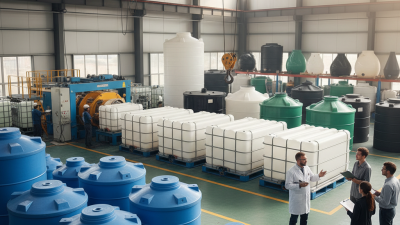
IBC tanks provide practical control when liquid volumes exceed ordinary drums. Their square footprint uses warehouse space efficiently and supports stable stacking when approved. A standard pallet base allows forklifts and pallet jacks to move filled units with less manual handling. This matters on wet floors, where small slips can become costly incidents. The tank is not a complete handling system. Staff still need training and inspection.
Before filling, operators should verify material compatibility, valve condition, closure, and visible damage. A clean, dry container helps protect liquid quality during storage and transfer. During loading, keep weight centered and avoid sudden forklift movements. Secure tanks with suitable restraints before road transport, even when the truck appears stable. Check local transport rules, load limits, and temperature conditions. Some liquids expand noticeably in heat. Leaving correct headspace is essential, but the required amount depends on the product and container design. Supplier guidance and written procedures should control these decisions.
At the destination, inspect the tank before unloading. A simple checklist can record seal condition, leakage, labels, and quantity. Clear records improve traceability when several tanks arrive together. In practice, IBC handling is rarely flawless. Labels can fade, valves can be overlooked, and schedules create pressure. Those small failures deserve review, not excuses. Better handling often comes from correcting ordinary mistakes.
Key Benefits of IBC Tanks for Bulk Liquid Storage
IBC tanks combine a large liquid capacity with a compact, pallet-based footprint. A common 1,000-liter unit can hold a substantial batch while fitting standard material-handling workflows. This helps reduce repeated drum movements and makes forklift loading more practical. The steel cage protects the inner container from everyday knocks. Not indestructible, though. Operators still need to inspect valves, seams, and labels before each use.
Reusable IBCs can also support more efficient packaging practices when cleaning, return transport, and product compatibility are managed well. Eurostat reported that the EU generated 186.5 kilograms of packaging waste per person in 2022, highlighting the scale of the packaging challenge. That figure covers all packaging, not IBCs alone. Still, choosing a durable container designed for multiple trips may help reduce dependence on single-use formats. Check the liquid’s chemical compatibility, temperature range, and required handling conditions; a mismatch can turn a convenient tank into a costly problem.
How to Choose an IBC Tank for a Specific Application
Why Choose an IBC Storage Tank for Bulk Liquids?
How to Choose an IBC Tank for a Specific Application
Choosing an IBC tank starts with the liquid, not the container’s shape. Check chemical compatibility with the tank’s inner vessel, seals, and fittings. A liquid that seems mild can still affect a gasket over time. Consider viscosity, operating temperature, and how often the contents will be moved. A thick liquid may need a wider outlet or assisted pumping. Match capacity to actual use; a larger tank is not always easier to handle.
Think about the working space, too. Measure doorways, pallet positions, and the clearance needed for filling and dispensing. Confirm that handling equipment can safely lift the loaded tank. If the liquid needs protection from light or temperature changes, assess the storage area and suitable tank construction. Some details are easy to overlook. IBC selection is not always a perfect calculation, so confirm key assumptions with the liquid supplier and tank documentation before filling.
Tips: Test the dispensing setup with a small quantity first. Check for leaks, slow flow, and awkward hose positioning. Keep the outlet accessible, and leave room to inspect fittings. A quick trial can reveal practical problems that a specification sheet may not show.