2026 Best Large Plastic Water Tank Types for Global Buyers
Choosing the best large plastic water tank in 2026 requires more than comparing capacity and purchase price. Global buyers face different climates, regulations, installation conditions, and water-quality expectations. A 5,000-liter tank may suit a rural home, while a food-processing site may require several interconnected tanks with strict hygiene controls.
The UN World Water Development Report 2024 identifies water scarcity, climate pressure, and unequal infrastructure as continuing global challenges. WHO Guidelines for Drinking-water Quality also emphasize material safety, cleaning practices, and protection from contamination. These findings make tank design important. UV-stabilized polyethylene, opaque walls, reinforced ribs, secure lids, and correctly sized outlets can influence service life. Small details matter. A poorly positioned inlet can create turbulence, sediment buildup, or difficult maintenance.
Industry research from Grand View Research and MarketsandMarkets shows continued investment in water storage and plastic infrastructure across residential, agricultural, commercial, and industrial applications. However, market forecasts are not purchasing instructions. Regional demand figures can change, and product quality varies widely between suppliers. That part deserves caution. This guide compares rotationally molded tanks, vertical tanks, horizontal tanks, underground models, and modular systems through practical buyer criteria. These include wall thickness, certified materials, temperature resistance, transport efficiency, installation needs, warranty coverage, and after-sales support. No single large plastic water tank is perfect for every location. A low-cost model may become expensive when foundations, fittings, cleaning, or replacement costs are ignored. Reliable decisions require technical documents, traceable testing, and advice from qualified local professionals.
Understanding Large Plastic Water Tank Applications and Capacity Needs
Large plastic water tanks serve different needs, so capacity should follow water demand, not available yard space. The WHO and UNICEF Joint Monitoring Programme reported that 2.2 billion people lacked safely managed drinking water in 2022. This highlights the importance of dependable storage in rural homes, construction sites, farms, and emergency systems.
A simple planning example helps. If 100 users need 25 liters daily, a two-day reserve requires about 5,000 liters. Actual demand changes with climate, livestock, cleaning, and supply interruptions. Agricultural users need larger volumes because farming accounts for about 70% of global freshwater withdrawals, according to the FAO. Rainwater tanks need extra capacity before dry periods. Drinking-water tanks also require food-contact suitability, covered openings, smooth interiors, and easy cleaning access. A large tank is not automatically a better tank. Poor foundations can cause stress, deformation, or difficult maintenance. I have seen capacity decisions fail when seasonal demand was ignored.
Tips: Record daily consumption for one week before buying. Add a practical reserve, but avoid excessive storage that remains stagnant. Check sunlight exposure, installation access, inlet height, overflow routing, and cleaning space. Recheck the design after one rainy and one dry season. That review may reveal an uncomfortable mistake.
Comparing Tank Materials, Designs, and Structural Performance
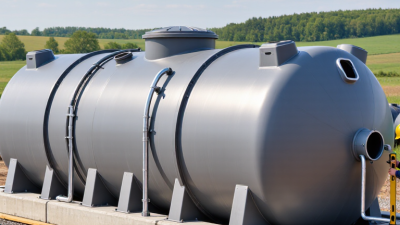
Large plastic water tanks now serve farms, factories, and emergency reserves across climates. The WHO/UNICEF JMP 2023 report found that 2.2 billion people lacked safely managed drinking water in 2022. That gap makes storage important, but capacity alone is not enough. Rotationally molded HDPE or LLDPE tanks provide seamless walls, low corrosion risk, and simple installation. Their weakness is creep under continuous loading, especially in hot regions. UV stabilizers help. They do not replace shade, venting, or a level foundation.
Sectional GRP or SMC tanks suit restricted sites and very large volumes. Bolted panels allow replacement and future expansion, while internal bracing limits wall deflection. However, joints require careful inspection, and poor assembly can reduce structural performance. Double-wall polyethylene tanks add secondary containment near sensitive drainage areas. They need more space and usually cost more. The UN World Water Development Report 2024 states that agriculture accounts for about 70% of global freshwater withdrawals. Irrigation tanks therefore face repeated filling, emptying, sediment, and pump vibration. Design for cyclic service, not static volume.
Request wall-thickness data, resin specifications, test temperatures, wind assumptions, seismic calculations, and foundation drawings. AWWA D120 and local construction codes offer useful benchmarks. They cannot replace site-specific engineering. Field inspections often find failures caused by uneven slabs, not weak plastic. That is an uncomfortable detail. Catalogue capacity is only a starting point.
Evaluating Above-Ground, Underground, and Modular Tank Types
2026 Best Large Plastic Water Tank Types for Global Buyers
Evaluating Above-Ground, Underground, and Modular Tank Types
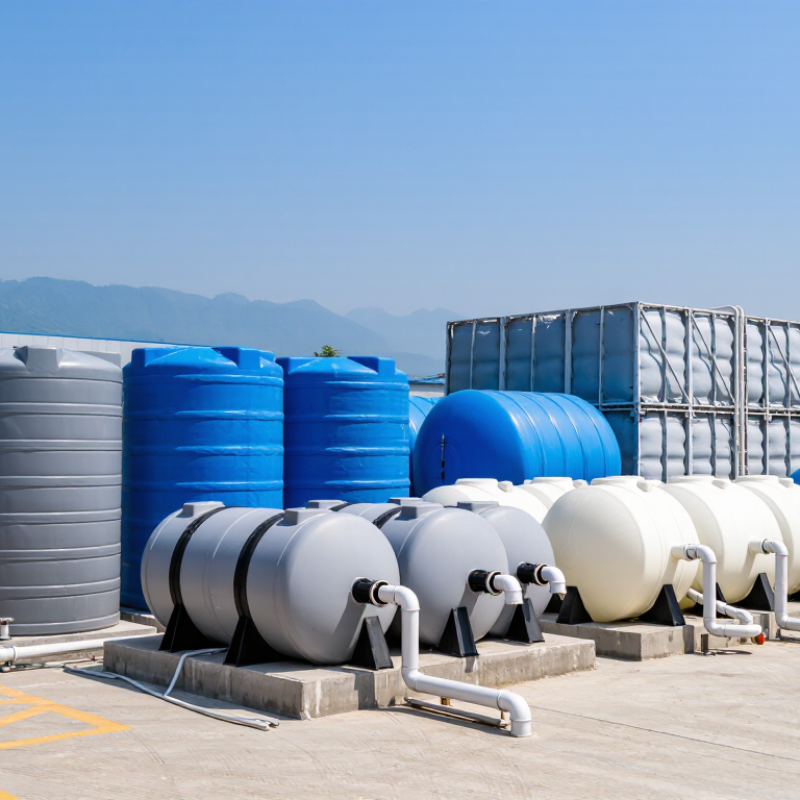
Large plastic tanks should match the site, not only the storage volume. Above-ground tanks are easier to inspect, clean, and replace. They suit farms, factories, and emergency reserves. However, sunlight, wind, and temperature changes can shorten service life without suitable UV protection. FAO AQUASTAT reports that agriculture accounts for about 70% of global freshwater withdrawals. This makes reliable seasonal storage increasingly practical in water-stressed regions.
Underground tanks protect water from heat and visual exposure. They also save valuable surface space. Yet installation requires soil assessment, buoyancy control, drainage planning, and safe access points. A poor backfill can deform the tank. Modular tanks offer flexible capacity, especially where transport routes cannot handle one large vessel. Their joints need careful inspection, because leakage risk increases with more connections. The UN World Water Development Report 2024 notes that 2.2 billion people still lack safely managed drinking water. Storage helps, but it cannot correct unsafe source water or weak maintenance.
Tips: Confirm local standards, water chemistry, burial depth, and truck access before purchasing. Leave inspection space around fittings. Specify potable-water certification when drinking water is involved. Do not select a tank from volume alone. I would also challenge one common assumption: underground is not automatically safer. In flood-prone soil, an above-ground system may be the more dependable choice. Check the design twice.
2026 Best Large Plastic Water Tank Types for Global Buyers
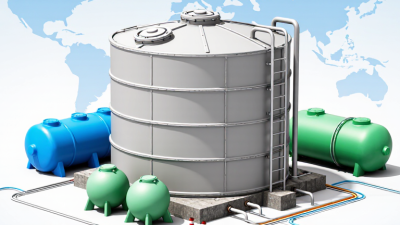
Typical capacity ranges for above-ground, underground, and modular plastic water tanks
Above-ground polyethylene tanks commonly serve small- to medium-scale storage because they are easy to inspect and install. Underground tanks provide space savings but usually require excavation, drainage control, and stronger structural design. Modular tanks cover the widest capacity range and are suitable for projects where transportation access, on-site assembly, or future expansion is important. The ranges shown are indicative engineering-market ranges and vary with tank geometry, site conditions, material grade, and local standards.
Reviewing Global Standards, Safety Features, and Installation Factors
Choosing a large plastic water tank in 2026 requires more than comparing capacity and price.
Global buyers should check material safety, structural testing, and regional compliance. For potable water, food-contact documentation may reference NSF/ANSI/CAN 61, WRAS, ACS, or equivalent national requirements. Acceptance varies by market. Ask for current certificates, resin declarations, and test scopes, not only a printed compliance logo.
Safety features deserve close inspection.
UV-stabilized polyethylene helps reduce cracking in strong sunlight, while opaque walls limit algae growth. A secure lid, screened vent, overflow outlet, and smooth internal surface support safer storage. Tanks installed near homes may need child-resistant access and clear maintenance space. I have seen installations fail because the overflow pipe ended beside a foundation. Small details matter.
Installation conditions can change the correct tank type.
A full tank is extremely heavy, so it needs a level, reinforced base with adequate drainage. Sloped ground, freezing temperatures, high winds, and seismic movement require local engineering advice. Underground models need different wall design and backfilling procedures. Do not assume one installation guide fits every country. It rarely does.
A tank is not maintenance-free.
Sediment can collect, vents can clog, and fittings may loosen after thermal movement. Buyers should confirm inspection access, replacement parts, warranty limits, and cleaning procedures before ordering. Certification helps, but it does not replace practical site review. That remains an uncomfortable lesson.
Selecting the Best Large Plastic Water Tank for Regional Conditions
2026 Best Large Plastic Water Tank Types for Global Buyers
Selecting the Best Large Plastic Water Tank for Regional Conditions
A large plastic water tank should match the local climate, water quality, and installation site. A tank suitable for a cool inland farm may fail in a tropical coastal area. High ultraviolet exposure can make weak plastic brittle. Choose UV-stabilized polyethylene with documented material performance. Ask for test records, wall-thickness details, and a clear warranty.
Freezing regions need flexible designs and protected pipe connections. Leave expansion space, and avoid placing outlets where ice can trap water. Hot climates require a light-colored exterior, shade, and proper ventilation around the tank. Coastal buyers should inspect fittings carefully because salt air can corrode metal components. Food-grade tanks also need certification for potable water use in the destination market.
Ground conditions deserve equal attention. A full tank becomes extremely heavy. Install it on a level, reinforced base that drains rainwater quickly. Uneven support can create stress beneath the tank. In earthquake-prone areas, use suitable anchoring without restricting natural movement. I have seen buyers focus on capacity and overlook access for cleaning. That mistake becomes expensive.
Regional water chemistry can change maintenance needs. Hard water may leave deposits around valves and inspection openings. Sediment can collect faster near unpaved sites. A washable inlet filter helps, but it does not replace regular inspection. No design is perfect. Recheck the tank after one wet season, especially when the site or water source is unfamiliar.