Choosing the best open top tank for 2026 starts with the job, not the catalogue. Will it hold process water, collect runoff, or serve a treatment line? Each use changes the requirements. A tank beside a washdown area faces different wear from one under a roof. Capacity matters, but so do footprint, liquid compatibility, drainage, access, and cleaning. Small details matter.
Industry research offers useful context, not a ready-made specification. Grand View Research’s Water Tank Market report examines market demand and product categories, but its broad scope does not isolate every open-top configuration. That gap is worth noting. Market growth cannot tell a buyer whether a particular tank will resist a specific liquid or fit through a plant’s service entrance. For welded steel designs, standards such as API 650 may be relevant within their stated scope; buyers should confirm applicability with qualified engineers and the tank manufacturer.
This guide compares practical choices for 2026: material, capacity, construction, site conditions, and total ownership needs. Look beyond the purchase price. A low rim can simplify filling, while a stable base and well-positioned drain can make routine handling easier. Yet no single feature guarantees a good fit. Before selecting an open top tank, check the actual dimensions, installation surface, expected exposure, and maintenance access. Then verify the manufacturer’s specifications against the intended service. The best choice is usually the one that fits the site reliably, even if it looks less impressive on paper.
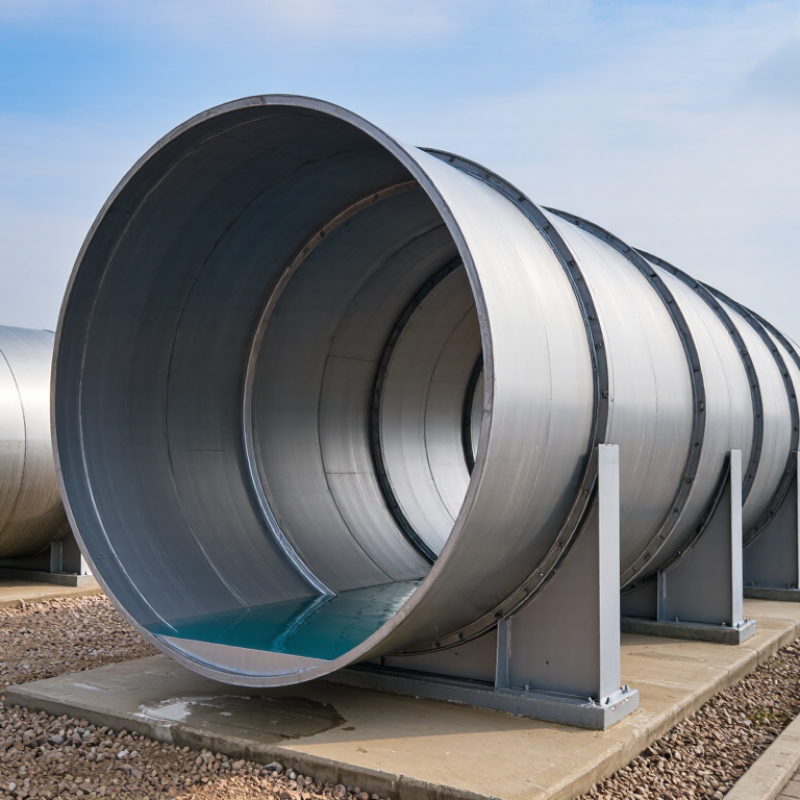
An open top tank is a vessel with an uncovered upper opening rather than a sealed lid. It may hold water, process liquids, or materials that need regular access. Operators can add contents from above, inspect the surface, or lower tools and parts into the tank. Simple, but not automatically suitable for every process.
The tank itself does not move material. Gravity, a pump, or a separate mixer handles filling, draining, or agitation. A worker might check the liquid level against a marked scale, while a drain near the base empties the vessel. Some tanks include a screen, overflow channel, or removable cover for specific operating needs. These details matter.
An open top makes viewing and access easier, but it can also expose contents to dust, debris, evaporation, or splashing. The required material, capacity, temperature, and cleaning routine should guide tank selection. For example, a tank used for frequent washing may need smooth interior surfaces and enough clearance for scrubbing. A common oversight is choosing by volume alone. That is easy to miss. Access around the tank and safe handling procedures deserve equal attention.
Choosing an open top tank in 2026 starts with the job it must do, not its advertised capacity. Measure the liquid volume, then allow room for splashing, mixing, or temporary level changes. A tank filled to the rim may look efficient. It can be awkward to operate. Check the footprint, too, especially where doorways, forklifts, or existing pipework limit access.
Material selection depends on the contents, temperature, and cleaning routine. Confirm compatibility with the tank supplier using the specific liquid and operating conditions. Stainless steel may suit some demanding processes, while suitable plastics can offer lighter handling. Neither is automatically right. Ask for details on wall thickness, support requirements, seams, and any load limits. If cleaning matters, look closely at internal corners and drain placement. A small puddle left behind can become a recurring nuisance.
Think about daily use before settling on a design. Will workers need a ladder, a cover, or a mixer? Can the outlet drain fully without shifting the tank? These details affect safety and maintenance. Keep access clear. Request drawings and written specifications, then compare them with the actual installation space. I would leave extra room for inspection and handling, even if the layout feels tight. It is easy to underestimate that space. There is no universal best tank; the reliable choice is the one whose documented limits match the real job.
An open-top tank is not “best” because it has the largest capacity. The right choice depends on the liquid, available floor space, and how workers will access it. Polyethylene is lightweight and resists corrosion, making it useful for many water-based applications. Stainless steel handles demanding cleaning routines and offers a durable surface, but it usually costs more. Carbon steel can suit robust storage needs when its coating matches the contents. Material compatibility matters. Check the liquid’s temperature and chemical properties before choosing; a generic material chart may not tell the whole story.
Shape affects daily use. Round tanks are often easier to clean and can distribute liquid pressure evenly. Rectangular tanks fit neatly against walls or into narrow work areas, though corners may need extra attention during cleaning. Capacity ranges from compact units for small batches to large tanks for steady operations. Choose based on usable volume, not just the advertised maximum. Leave room for sloshing, stirring, or temporary level changes, and confirm the floor can support a full tank. Small detail, big consequences. I would not pretend one shape or material works everywhere; actual access, cleaning habits, and liquid behavior can change the decision. A quick site measurement—and a compatibility check—often reveals more than a tidy comparison chart.
An open-top tank suits processes where workers need frequent access, but the best choice depends on what happens inside it. For temporary water storage, a simple, wide vessel can make filling and visual checks easy. In a mixing process, depth, outlet position, and impeller clearance matter more than appearance. A tank that is too shallow may splash; one that is too deep can leave material moving unevenly. Access matters.
Wastewater and washdown applications often contain grit, changing temperatures, or cleaning chemicals. Check the tank material against the actual liquid and cleaning routine, not just the process name. For food or ingredient handling, smooth, cleanable surfaces and controlled access help reduce contamination risks. An uncovered opening can also invite dust, insects, or accidental debris. That trade-off is easy to underestimate.
Outdoor use brings another set of questions. Sun exposure, rainwater, wind, and temperature swings can affect both the tank and its contents. Confirm the support surface and full operating weight, including liquid; a level-looking floor may not be strong enough. It is tempting to choose extra capacity “just in case,” but oversized tanks can complicate mixing and cleaning. I would compare operating conditions before settling on dimensions.
The best open top tank for 2026 is not simply the largest or least expensive option. It is the tank that suits the liquid, available space, and daily handling routine. Confirm the tank material is compatible with the contents, and check its rated capacity, temperature range, and installation requirements. Leave room around the tank for inspection and cleaning. Measure doorways and access routes, too; a tank that fits the floor may not fit through the entrance.
Think about how people will use it. A wide opening can make filling and visual checks easier, but it also allows more debris to enter. A fitted cover may help keep out dust while preserving access. Consider the outlet position, drainage, and whether equipment can reach the bottom without awkward lifting. A common planning weakness is choosing capacity from average use alone. Peak demand and safe operating limits matter as well. I would not treat a supplier’s general guidance as a substitute for checking the actual liquid and site conditions.
Maintenance should be practical, not just promised. Set a schedule for checking seams, fittings, supports, and the tank interior. Look for discoloration, residue, leaks, or changes in shape. Clean with methods approved for the tank material, then rinse and dry it as appropriate. Keep a simple log of inspections and repairs. Small issues are easier to address early. If the contents change, reassess compatibility before refilling; that step is easy to overlook.
| Tank Material | Often Suitable For | Key Advantages | Important Limitations | Selection Checks | Routine Care |
|---|---|---|---|---|---|
| High-density polyethylene (HDPE) | Water, many dilute chemicals, and general-purpose storage or process applications at compatible temperatures. | Lightweight, does not rust, and can resist a range of corrosive substances. | Compatibility and temperature limits depend on the chemical, concentration, exposure time, and tank design. It may deform under excessive heat or unsupported loads. | Confirm chemical compatibility, operating temperature, UV exposure, wall thickness, support requirements, and whether the tank is designed for the intended liquid and load. | Check for cracks, bulging, discoloration, leaks, and degraded supports. Clean using methods approved for the tank and stored material. |
| Polypropylene (PP) | Selected chemical-processing and laboratory applications where the specific chemical and operating temperature are within the material’s rating. | Can provide useful chemical resistance and is relatively lightweight compared with metal tanks. | Resistance varies by chemical and conditions; heat, sunlight, impact, and fabrication details can affect service life. | Verify the exact resin grade and compatibility data. Check temperature limits, UV protection, tank dimensions, and the design of outlets and supports. | Inspect seams, fittings, and support points for stress or leakage. Keep the tank within its rated temperature and loading conditions. |
| Fiberglass-reinforced plastic (FRP) | Industrial storage and processing when the selected resin and laminate are compatible with the contents and environment. | Can be engineered for specific chemical and structural requirements; does not rust like unprotected steel. | Performance depends on resin, reinforcement, fabrication quality, and exposure conditions. Damage to the laminate or liner can require specialist repair. | Specify the chemical, concentration, temperature, exposure, and required structural loads. Confirm the resin system and inspection or repair requirements. | Look for cracks, blisters, exposed fibers, impact damage, and deterioration around fittings. Have suspected laminate damage assessed by a qualified specialist. |
| Stainless steel | Applications requiring a rigid metal tank, provided the stainless-steel grade is suitable for the contents and cleaning process. | Strong, durable, and generally easy to clean when properly designed and maintained. | Some chemicals, salts, and cleaning agents can cause corrosion; stainless steel is not universally corrosion-proof. It is heavier and may cost more than plastic options. | Choose the grade and finish based on the contents, temperature, cleaning chemicals, and exposure. Review welds, drainage, and support design. | Inspect welds, joints, and surfaces for corrosion, pitting, or deposits. Use compatible cleaning tools and agents, and rinse as required. |
| Carbon steel with a suitable lining or coating | Applications needing a rigid, high-strength tank where the contents and operating conditions are compatible with the lining system. | Strong and widely used for industrial service; can be fabricated in a range of sizes and configurations. | Unprotected carbon steel can corrode. A damaged or incompatible lining may expose the steel to the contents and lead to deterioration. | Check the coating’s chemical and temperature ratings, surface preparation, weld details, support loads, and repair procedures. | Inspect the lining for blisters, cracks, peeling, and exposed metal. Repair defects promptly using a compatible, qualified coating system. |
| Any material: open-top design considerations | Processes that need frequent access, visual monitoring, mixing, or loading from above. | Provides convenient access and can simplify inspection and handling of suitable contents. | An open top can allow contamination, evaporation, spills, or exposure to weather. It does not provide sealed containment. | Assess liquid level, freeboard, splash and spill control, ventilation, access, guarding, location, and whether a cover or different tank design is needed. | Keep the opening and surrounding area clean. Check the rim, cover if fitted, access arrangements, and spill controls; follow site safety procedures. |
Selection note: There is no single best open-top tank for every application. Confirm material compatibility and operating limits with the tank manufacturer or a qualified materials specialist using the exact chemical, concentration, temperature, and service conditions. Follow the tank’s inspection and maintenance instructions.