Skip to content
Menu

What Are the Top Types of IBC Tote Tanks?

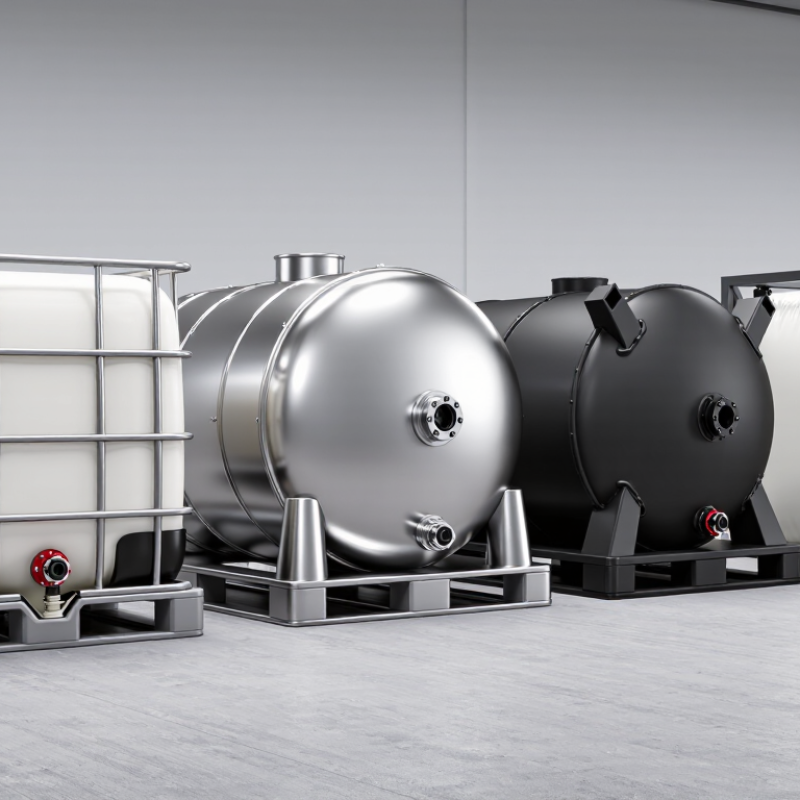
An IBC tote tank is more than a large container in a metal cage. Its construction affects what it can hold, how it moves, and how easily it can be cleaned. Common options include composite plastic units, stainless steel tanks, carbon steel models, and flexible IBCs. Each serves different storage and handling needs. A composite unit, for example, pairs a rigid plastic bottle with a protective outer cage. Stainless steel may suit applications where durability and cleanability matter, while flexible models can reduce storage space when empty.

The right choice depends on the material being stored and the conditions around it. Check the tank’s specifications, outlet fittings, previous contents, and cleaning history before use. Capacity and dimensions also matter: a tote that fits a warehouse aisle may not fit through a doorway. Details matter. A clean exterior does not prove that the interior is suitable, and a familiar-looking valve can still have a different connection. Not always. This guide compares the main types of IBC tote tanks, explains practical differences, and highlights questions worth asking before purchase. The categories can overlap, and product labels are not always clear. That can make comparison frustrating. Reliable decisions come from verified specifications and application-specific advice, not appearance alone.
What Are the Top Types of IBC Tote Tanks?

Rigid Plastic IBC Tote Tanks

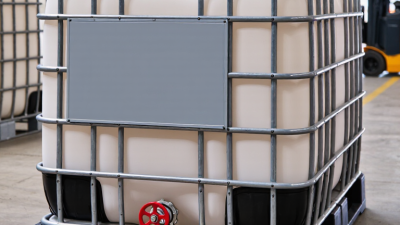
Rigid plastic IBC tote tanks use a molded inner bottle, often made from high-density polyethylene, inside a protective metal cage. The cage helps limit impact damage, while the pallet base supports forklift handling. Their square footprint can use warehouse space efficiently. A low outlet valve allows controlled dispensing, though liquid may remain around fittings or in the tank’s bottom contours. Construction details vary by model.

These tanks can suit many bulk liquids when the container materials match the contents and handling conditions. Check material compatibility, capacity, outlet type, and rated stacking load before selecting one. Inspect seams, valve threads, seals, and the pallet; small cracks can turn into costly leaks. Reusable designs may reduce packaging waste, but only when cleaning and return logistics are practical. The trade-off is real. Plastic can be vulnerable to heat, sunlight, and rough handling, so placement matters.

Tips: Keep the tote on a level surface and secure it during transport. Use secondary containment where a spill could cause damage. Follow care instructions, and replace damaged seals promptly.
Composite IBC Tote Tanks

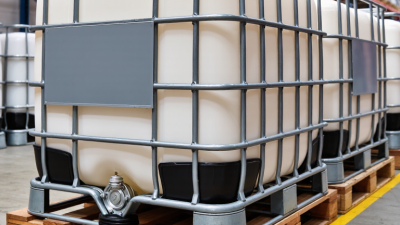
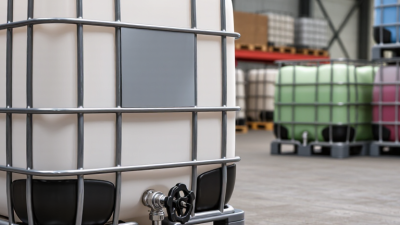
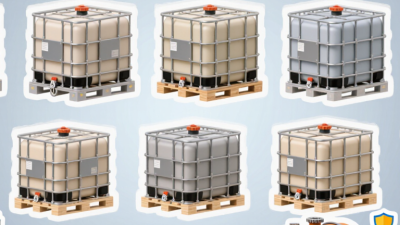
Composite IBC tote tanks pair a molded inner bottle with a rigid outer cage and a pallet-style base. This design combines liquid containment with practical handling in warehouses and production areas. The translucent bottle often makes fill levels easier to check, while molded graduations can help track the remaining volume. Forklift access from the base supports moving a full unit, but careful, level lifting still matters. A dented cage or stressed pallet can affect safe handling. Small details matter.

These totes suit many compatible liquids, but “composite” does not mean universally resistant. Check the liquid’s composition, concentration, temperature, and contact time against compatibility data before filling. Inspect valves, caps, seams, and cage welds, especially after transport or repeated use. Keep the outlet protected from knocks; a slow leak may begin with a loose fitting. Storage conditions matter too: heat, sunlight, and uneven floors can shorten service life. In practice, the tote is convenient, though it can be awkward to clean thoroughly. That deserves thought. Choose a construction and service history that match the job, and follow the handling instructions for the specific unit.

Carbon Steel IBC Tote Tanks

What Are the Top Types of IBC Tote Tanks?

Carbon Steel IBC Tote Tanks

Carbon steel IBC tote tanks are built for demanding bulk storage and transport. Their rigid metal construction can handle rougher handling than many lightweight containers. A welded vessel, protective frame, and pallet-style base support filling, movement, and storage. Not every liquid fits.

Material choice matters. Carbon steel can corrode when exposed to moisture or incompatible contents, so check the tank’s coating and compatibility data before use. A coating may protect the interior, but it can wear or become damaged. Small scratches deserve attention, especially around welds, seams, and fittings.

Look closely at practical details: the outlet valve’s position, the fill opening, lifting points, and the tank’s loaded weight. These features affect how easily staff can fill, drain, inspect, and move it. Stacking capacity also depends on the specific design and condition, not just the material. A carbon steel unit may be durable, yet it is not maintenance-free; that distinction is easy to underestimate. Regular visual checks can help spot rust, dents, loose fittings, or coating damage before they become larger problems.

Stainless Steel IBC Tote Tanks

What Are the Top Types of IBC Tote Tanks?

Stainless Steel IBC Tote Tanks

Stainless steel IBC tote tanks are built for repeated use and demanding handling. Their rigid metal construction can help protect contents during storage and transport. A smooth interior also makes inspection and cleaning easier. That matters when residue collects around corners or fittings. Not every tank is identical. Stainless steel grade, wall thickness, frame design, and outlet style vary by application. Check the material specification against the stored product rather than assuming all stainless steel offers the same corrosion resistance.

Look closely at the details. Welds should be even, fittings should seat securely, and the discharge valve should operate without sticking. A gasket that suits one product may not suit another. Small parts matter. Before filling, confirm the tank’s rated capacity and temperature limits with its technical documentation. Stainless steel models are often heavier and costlier than plastic options, so moving them may require suitable equipment. They can be durable, but they are not maintenance-free. Inspect the interior, frame, valve, and seals regularly, especially after cleaning or a change in contents. A quick visual check helps, though it cannot replace product-specific compatibility advice.

What Are the Top Types of IBC Tote Tanks? – Stainless Steel IBC Tote Tanks

IBC Type Typical Construction Common Capacity Range Typical Uses Key Advantages Important Considerations
Stainless Steel IBC Welded stainless-steel vessel, commonly made from 304 or 316 stainless steel; may include a protective frame or transport base. Varies by design; commonly available in sizes from about 110 to 550 US gallons (approximately 420 to 2,080 L). Food ingredients, beverages, chemicals, pharmaceutical processing, and other applications requiring a durable, cleanable vessel. Corrosion resistance, durability, and potential for repeated use. Suitable for demanding service when the alloy, finish, and design match the application. Confirm chemical compatibility, alloy grade, weld and surface finish, cleaning requirements, and applicable transport approvals. Stainless steel is not automatically suitable for every product.
Composite IBC Rigid inner bottle, usually high-density polyethylene (HDPE), held within a metal cage and mounted on a pallet-style base. Common nominal sizes include 275 and 330 US gallons (approximately 1,040 and 1,250 L). Bulk storage and transport of many non-food liquids, including industrial chemicals and cleaning products. High capacity for its footprint; the cage helps protect the inner bottle during handling and transport. Check product compatibility, UV exposure limits, temperature limits, and whether the bottle and assembly meet requirements for the intended use. Reuse and reconditioning depend on condition and regulations.
Rigid Plastic IBC Molded plastic tank, often HDPE, with an integrated or supporting frame depending on the design. Capacity varies; many common models hold around 100 to 330 US gallons (approximately 380 to 1,250 L). Water, compatible chemicals, food-grade liquids where specifically certified, and applications where a non-metal vessel is preferred. Lightweight and resistant to many aqueous solutions; does not rust. Plastic compatibility is product- and concentration-specific. Consider permeation, temperature, impact, sunlight, cleaning, and any required food-contact or transport certification.
Carbon Steel IBC Welded carbon-steel vessel, often with a frame or structural supports for handling. Varies by model; commonly found in industrial sizes of roughly 110 to 550 US gallons (approximately 420 to 2,080 L). Compatible industrial liquids, oils, and certain hazardous materials when the tank is properly specified and approved. Strong construction and good resistance to mechanical damage; suitable for some heavy-duty industrial services. Carbon steel can corrode, so coatings, liners, product compatibility, inspection, and maintenance matter. Verify approvals and pressure or stacking limits for the specific design.

Capacity ranges are indicative, not universal. Actual dimensions, materials, certifications, and permitted uses depend on the specific IBC design, contents, and applicable regulations.

Flexible IBC Tote Tanks

Flexible IBC Tote Tanks

Flexible IBC tote tanks offer a lighter, collapsible option for storing and moving certain liquids. Depending on the design, they may use a pliable outer body, a sealed inner liner, or a supporting frame. This construction can reduce empty-storage space and make handling easier. That matters in busy warehouses. However, “flexible” does not mean suitable for every liquid or transport setup. Check the manufacturer’s specifications for material compatibility, capacity, filling limits, outlet fittings, and support requirements. A liner that works for water may not suit another product.

Before filling, inspect seams, valves, and contact surfaces for wear or contamination. Place the tank on a level, stable base, and avoid dragging it across rough flooring. I still find the outlet area easy to overlook; a poor connection can cause leaks during transfer. Flexible units can also be less convenient when frequent stacking or precise shape retention is important.

Tips: Match the liner to the stored liquid, and confirm temperature limits before use. Keep the outlet accessible, but protected from knocks. Record inspection dates. Small details matter. If a tank’s history or condition is unclear, pause and verify it before filling.